


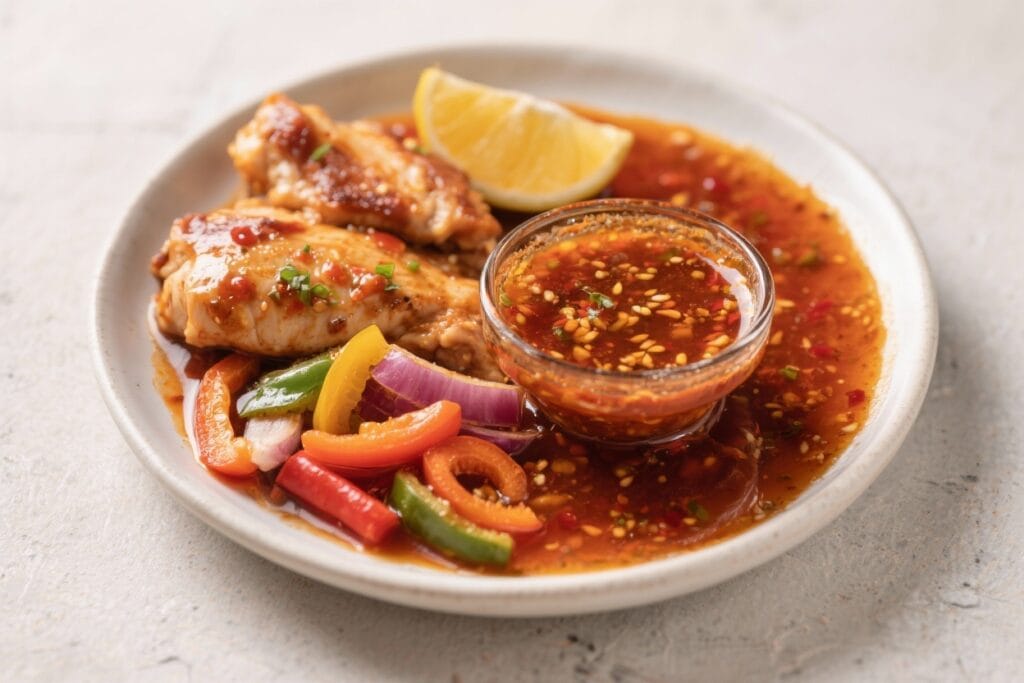
Love a lively, citrusy kick that makes dinner feel special without extra fuss? This Cuban mojo marinade is your new weeknight hero. It’s bold with garlic, bright with fresh citrus, and finished with a hint of warm spice.
Use it on chicken, pork, or a tray of veggies and watch it transform simple ingredients into something memorable. It comes together fast, uses easy-to-find ingredients, and tastes even better after a short rest.
What Makes This Special
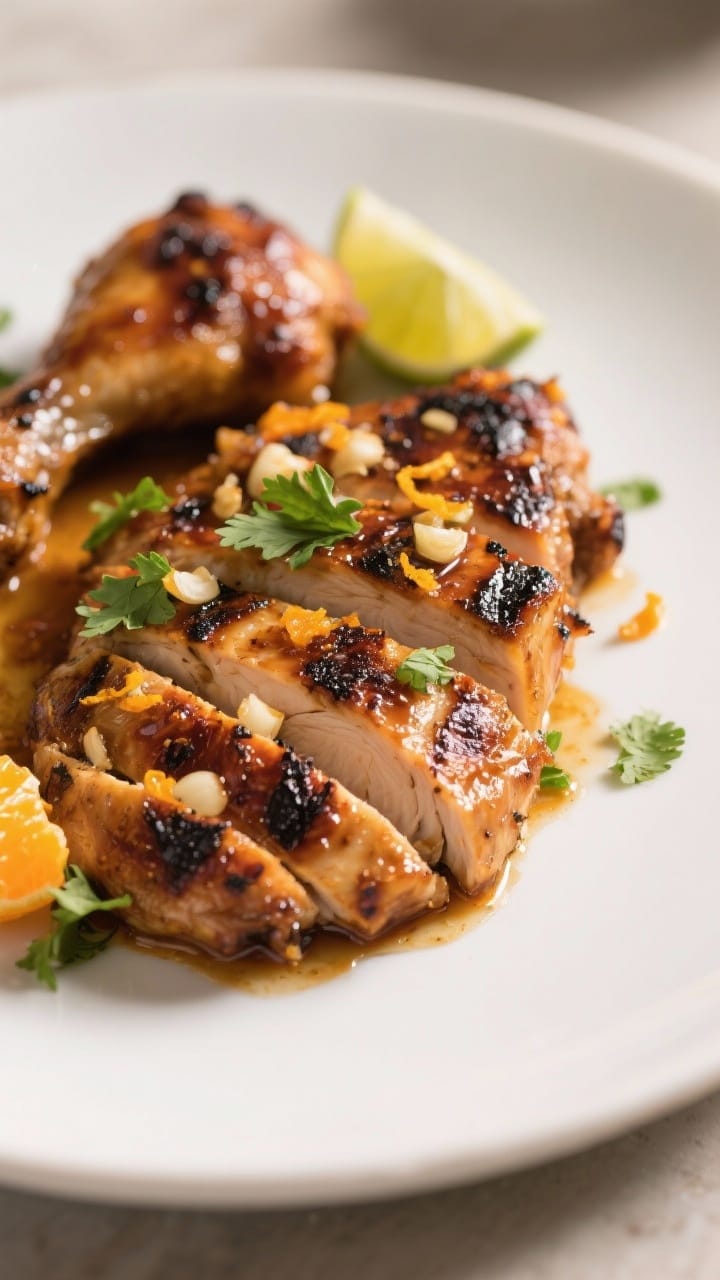
Mojo (pronounced MO-ho) is a classic Cuban-style marinade built on sour citrus, lots of garlic, and herbs. It’s known for cutting through richer proteins while keeping everything juicy.
This version uses a mix of orange and lime for a balanced tang and a touch of sweetness. A pinch of cumin and oregano adds warmth, while fresh cilantro brightens every bite. The result is versatile, vibrant, and perfect for grilling, roasting, or pan-searing.
Ingredients
- 1/2 cup fresh orange juice (about 1–2 oranges)
- 1/4 cup fresh lime juice (about 2 limes)
- 1 tablespoon orange zest
- 6–8 garlic cloves, finely minced or grated
- 1/3 cup extra-virgin olive oil
- 1 teaspoon ground cumin
- 1 teaspoon dried oregano (or 2 teaspoons fresh, chopped)
- 1/2 teaspoon kosher salt, plus more to taste
- 1/2 teaspoon black pepper
- 1/4 cup fresh cilantro, chopped (optional but recommended)
- 1–2 tablespoons minced onion or shallot (optional, for more depth)
- Pinch of red pepper flakes (optional, for gentle heat)
For serving ideas:
- 2 pounds chicken thighs or breasts
- 2 pounds pork shoulder (for slow-roasting) or pork tenderloin (for quick cooking)
- Assorted veggies: bell peppers, zucchini, mushrooms, red onion, or cauliflower
Step-by-Step Instructions
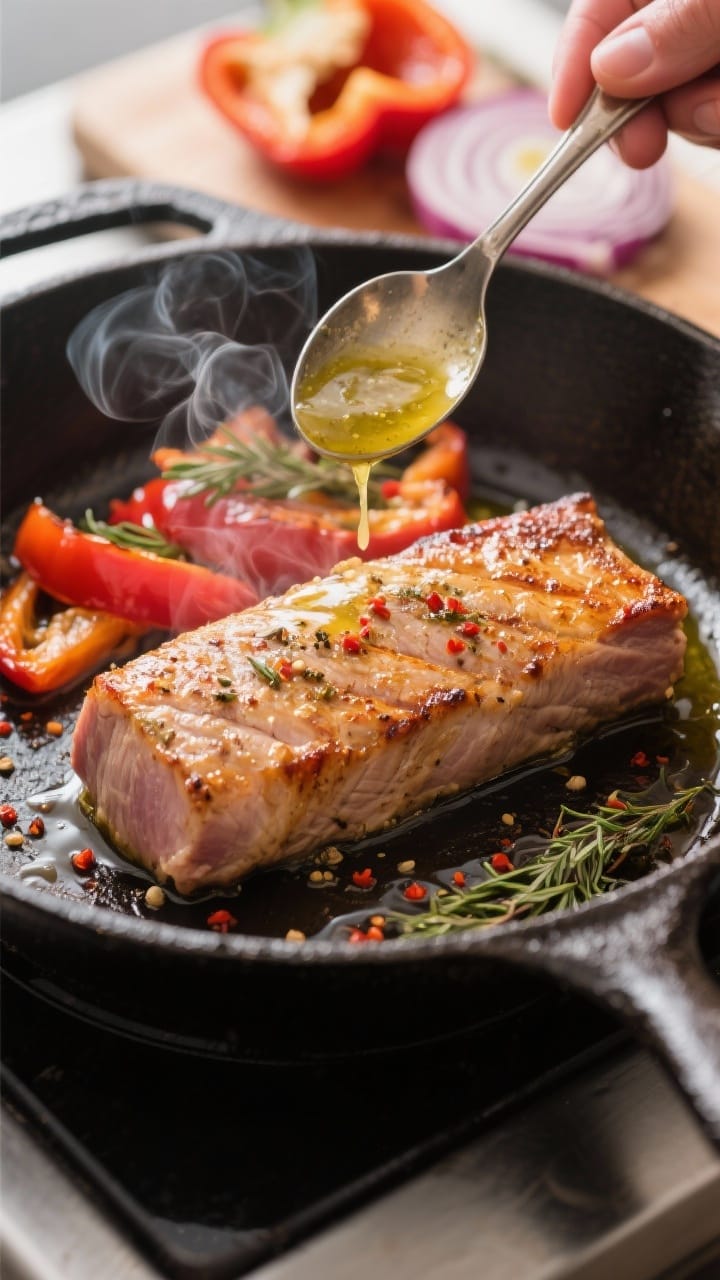
- Prep the citrus. Zest an orange first, then juice the oranges and limes.
Fresh juice is key for a bright, clean flavor.
- Mince the garlic. The finer, the better. You can also grate it on a microplane for a more intense infusion.
- Whisk the marinade. In a bowl, combine orange juice, lime juice, zest, garlic, olive oil, cumin, oregano, salt, pepper, cilantro, and optional onion and red pepper flakes. Taste and adjust salt.
- Marinate the protein.
- Chicken thighs: 1–4 hours (up to overnight).
- Chicken breasts: 30–90 minutes.
- Pork tenderloin: 1–4 hours.
- Pork shoulder: 4–12 hours for deep flavor.
- Veggies: 20–30 minutes is plenty.
Use a shallow dish or a zip-top bag. Reserve 1/4 cup of marinade (before it touches raw meat) for drizzling after cooking.
- Cook your way.
- Grill: Medium-high heat.
Chicken thighs 5–7 minutes per side; pork tenderloin 12–15 minutes, turning; veggies 8–12 minutes, flipping once.
- Roast: 400°F (200°C). Chicken thighs 25–30 minutes; pork shoulder low-and-slow at 300°F (150°C) until fork-tender; veggies 18–25 minutes.
- Pan-sear: Medium-high heat with a little oil. Sear chicken or pork until browned, then finish in the oven if thick.
- Grill: Medium-high heat.
- Finish with a flourish. Rest meats for 5–10 minutes, then slice.
Drizzle with the reserved marinade or a quick squeeze of lime. Sprinkle extra cilantro if you like.
Keeping It Fresh
Store the marinade (without touching raw meat) in an airtight jar in the fridge for up to 4 days. The garlic flavor will deepen over time.
If it thickens, whisk and taste before using.
Marinated meats should be cooked within 24 hours, especially with acidic juices that can change texture. For veggies, marinate shortly before cooking to avoid sogginess.
Freezer tip: Add the marinade and raw chicken or pork to a freezer bag and freeze flat for up to 2 months. Thaw in the fridge overnight, then cook.
Why This is Good for You
- Fresh citrus offers vitamin C and bright flavor without heavy sauces.
- Garlic and herbs bring antioxidants and big taste with minimal calories.
- Olive oil adds heart-healthy fats and helps keep meats juicy.
- Less salt, more flavor: Citrus, cumin, and oregano carry the dish so you can season with a lighter hand.
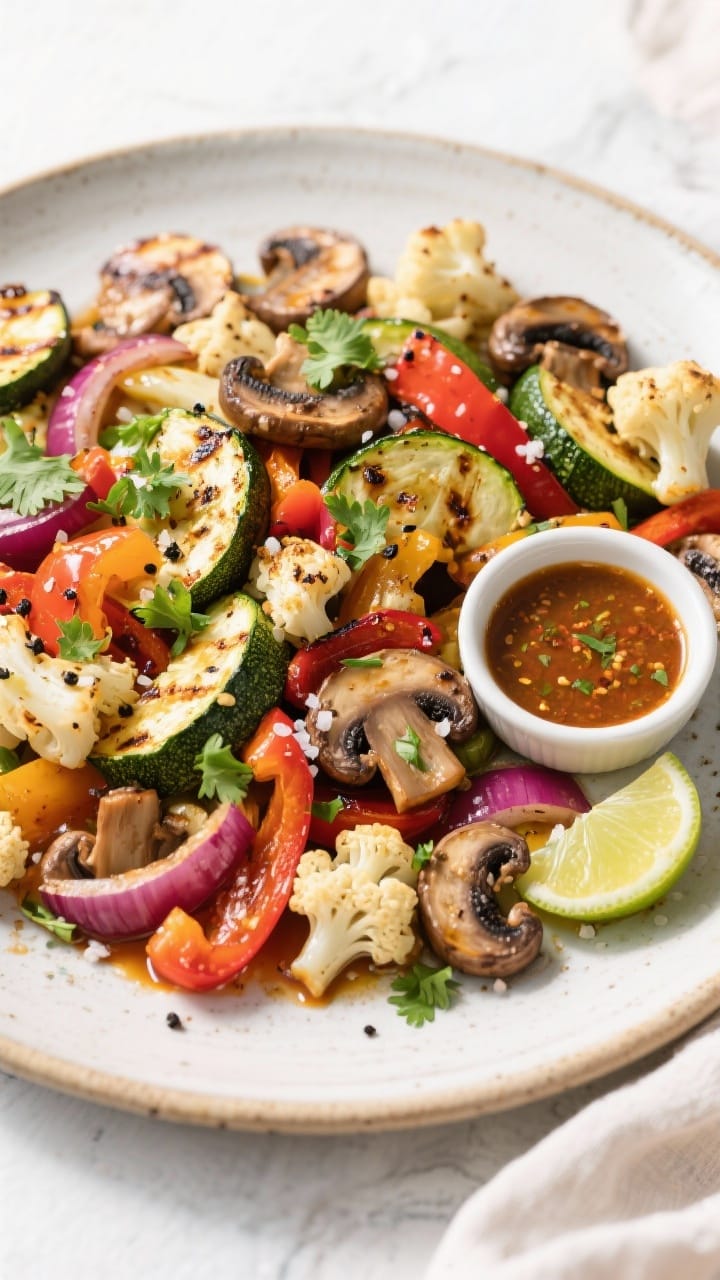
- Vegetable-friendly: This marinade makes roasted or grilled vegetables more exciting, encouraging a colorful plate.
Common Mistakes to Avoid
- Over-marinating delicate cuts. Too much time in acid can make chicken breasts or tenderloin mushy.
Stick to the times listed.
- Not reserving marinade. Always set some aside before it touches raw meat so you have a safe, fresh drizzle for serving.
- Skipping salt. Acid and aromatics shine when properly seasoned. Taste the marinade and add a pinch more salt if it tastes flat.
- Cooking straight from cold. Let meat sit at room temp for 15–20 minutes before cooking for even results.
- Overcrowding the pan. Give proteins and veggies space so they sear instead of steam.
Alternatives
- No fresh oranges? Use 100% orange juice and add a bit of zest from any available citrus (orange, tangerine, or even a little lemon) for brightness.
- No limes? Lemon juice works. Add a small splash of vinegar (rice or apple cider) to mimic lime’s sharpness.
- Herb swap: Use parsley instead of cilantro, or add fresh mint for a cool twist.
- Spice shift: Smoked paprika brings gentle warmth; coriander adds lemony depth.
- Vegan version: Use the marinade on tofu, tempeh, or hearty veggies like cauliflower steaks and portobello mushrooms.
- Low-sugar tweak: If you prefer less sweetness, reduce orange juice to 1/3 cup and add an extra tablespoon of lime.
FAQ
Can I use bottled citrus juice?
Fresh is best for flavor and aroma, but bottled works in a pinch.
Choose 100% juice with no added sugar. Add a little zest from any citrus you have to wake it up.
How long can I marinate pork shoulder?
Anywhere from 4 to 12 hours is great. Longer than 12 hours can make the exterior too soft due to the acid.
Pat it dry before cooking to help browning.
Is this marinade spicy?
Not by default. Add red pepper flakes or a bit of minced jalapeño if you like heat. Start small and adjust to taste.
Can I turn this into a sauce?
Yes.
Reserve some marinade before it touches raw meat. Simmer it for 2–3 minutes to slightly reduce and concentrate the flavor, then spoon over cooked food.
What sides go well with mojo?
Try rice and black beans, grilled corn, avocado salad, or simple roasted potatoes. A crisp slaw with lime and cilantro is another great match.
Does it work with seafood?
Absolutely.
Use with shrimp or white fish, but marinate briefly—10 to 20 minutes is enough.
In Conclusion
This zesty Cuban mojo marinade delivers big flavor with very little effort. It’s bright, garlicky, and endlessly adaptable, turning chicken, pork, and veggies into something you’ll want on repeat. Keep a batch in the fridge, grill or roast what you have, and finish with a squeeze of lime.
Simple, fresh, and full of life—just how weeknight cooking should be.