


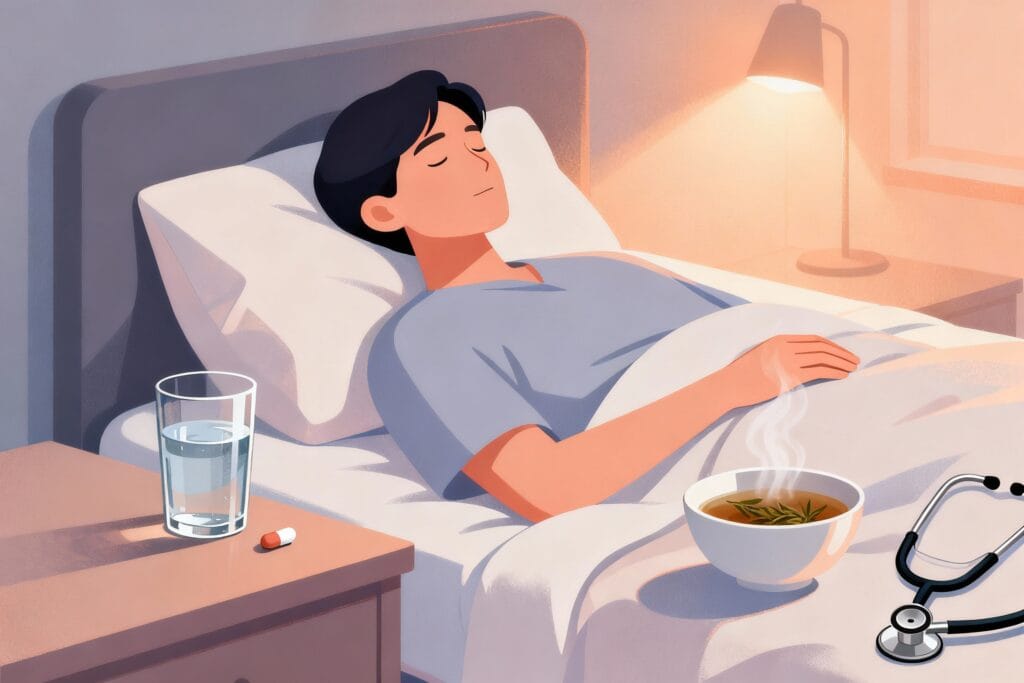
You got bit by a tick, you’re not feeling like yourself, and Google just handed you a panic attack. Take a breath. Recovery from tick-borne illness can feel messy, but you have options, and—good news—lots of people get better.
Let’s talk about what actually helps, what’s hype, and how to move forward without losing your mind (or your weekends).
First Things First: Get the Basics Right
Early, appropriate treatment matters. If you haven’t seen a clinician yet, do that. Bring dates, symptoms, and any photos of rash or bite.
No shame if you didn’t spot the tick—many people don’t. Key moves to start strong:
- Ask about testing (Lyme ELISA/Western blot, and region-specific tests for anaplasma, babesiosis, ehrlichiosis, RMSF). Testing can be timing-dependent—your doctor will guide you.
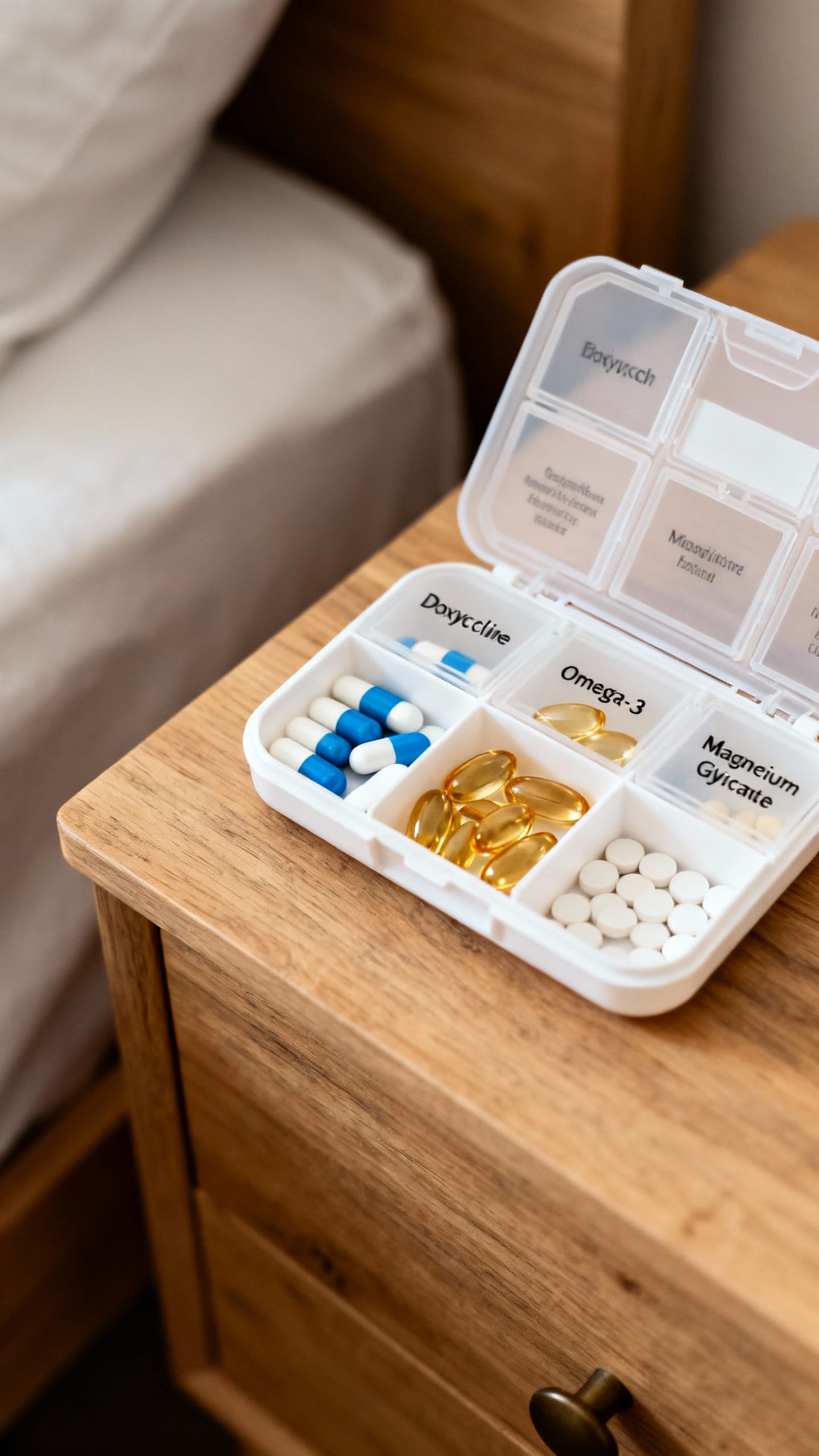
- Discuss antibiotics when indicated (doxycycline often leads the pack). Don’t DIY your meds—this isn’t a TikTok trend.
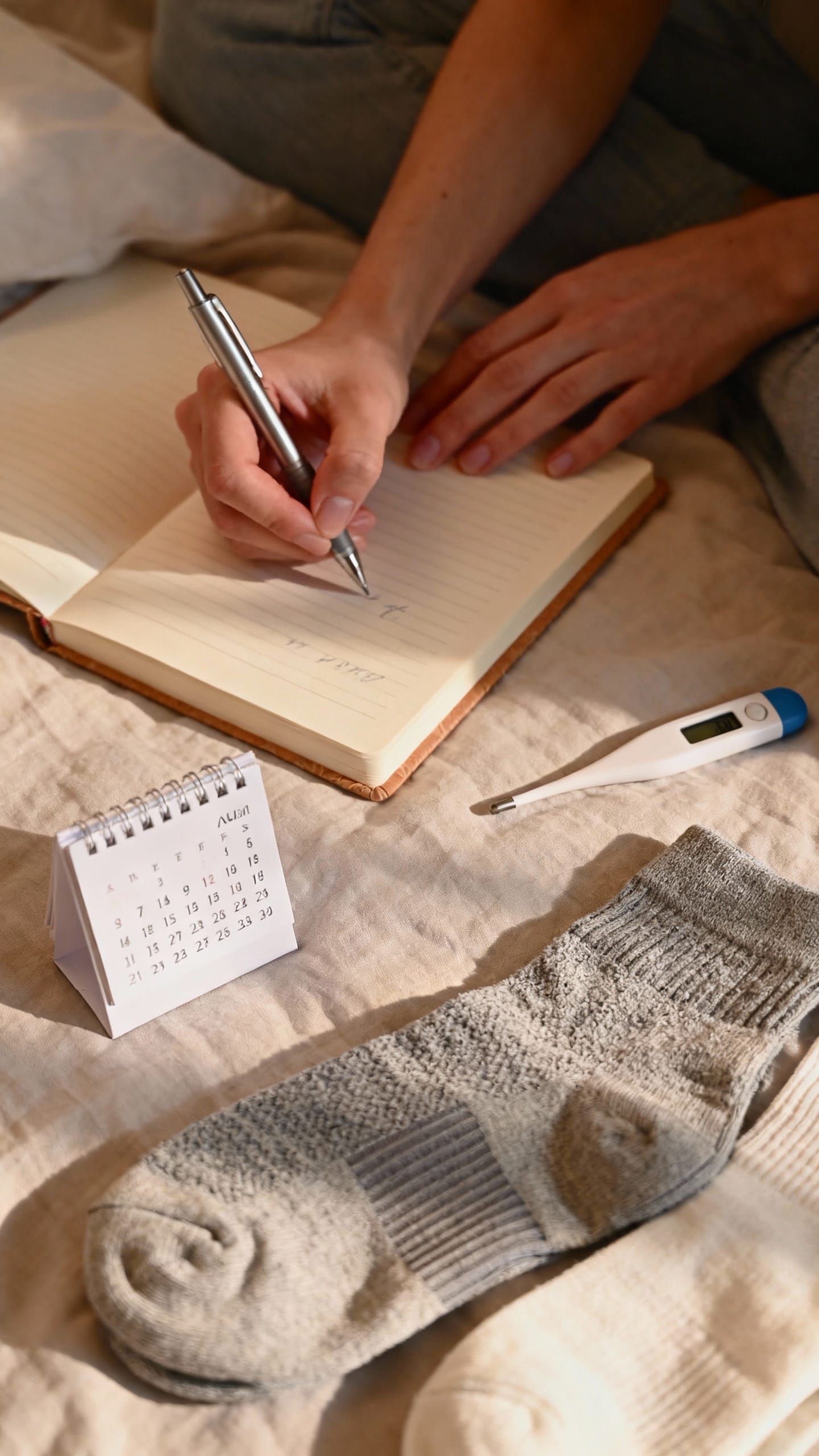
- Log symptoms daily: fatigue, pain location, fever spikes, brain fog.
Patterns help pinpoint co-infections and treatment response.
But what if your tests are negative?
Timing matters. Early tests can miss things. If your symptoms and exposure line up, clinicians may treat empirically.
IMO, push for a conversation—not just a “wait and see.”
Dial In Your Recovery Basics (AKA Your Daily Non-Negotiables)
Fancy protocols flop if you ignore fundamentals. Think of this as your recovery stack.
- Sleep like it’s your job: Aim for 7–9 hours. Keep the room cool and dark, limit screens before bed, use a relaxing routine.
Poor sleep wrecks immune function.
- Eat anti-inflammatory, nutrient-dense food: Colorful veggies, lean proteins, omega-3s (salmon, sardines, walnuts), olive oil. Reduce ultra-processed foods and sugary drinks—they fan the inflammation fire.
- Hydrate more than you think. Dehydration magnifies headaches, fatigue, and dizziness.
- Move, but don’t overdo it: Gentle walks, mobility work, light strength.
Stop before your body starts yelling. You’re rebuilding, not auditioning for an action movie.
- Sunlight and nature in short doses help mood, sleep, and circadian rhythm.
Target Symptoms Without Guessing
Tick-borne illnesses can pile on weird combos: joint pain, nerve zaps, fevers, night sweats, brain fog. You don’t need to suffer through all of it.
Inflammation and pain
- NSAIDs (if your clinician says yes) can help joints and headaches.
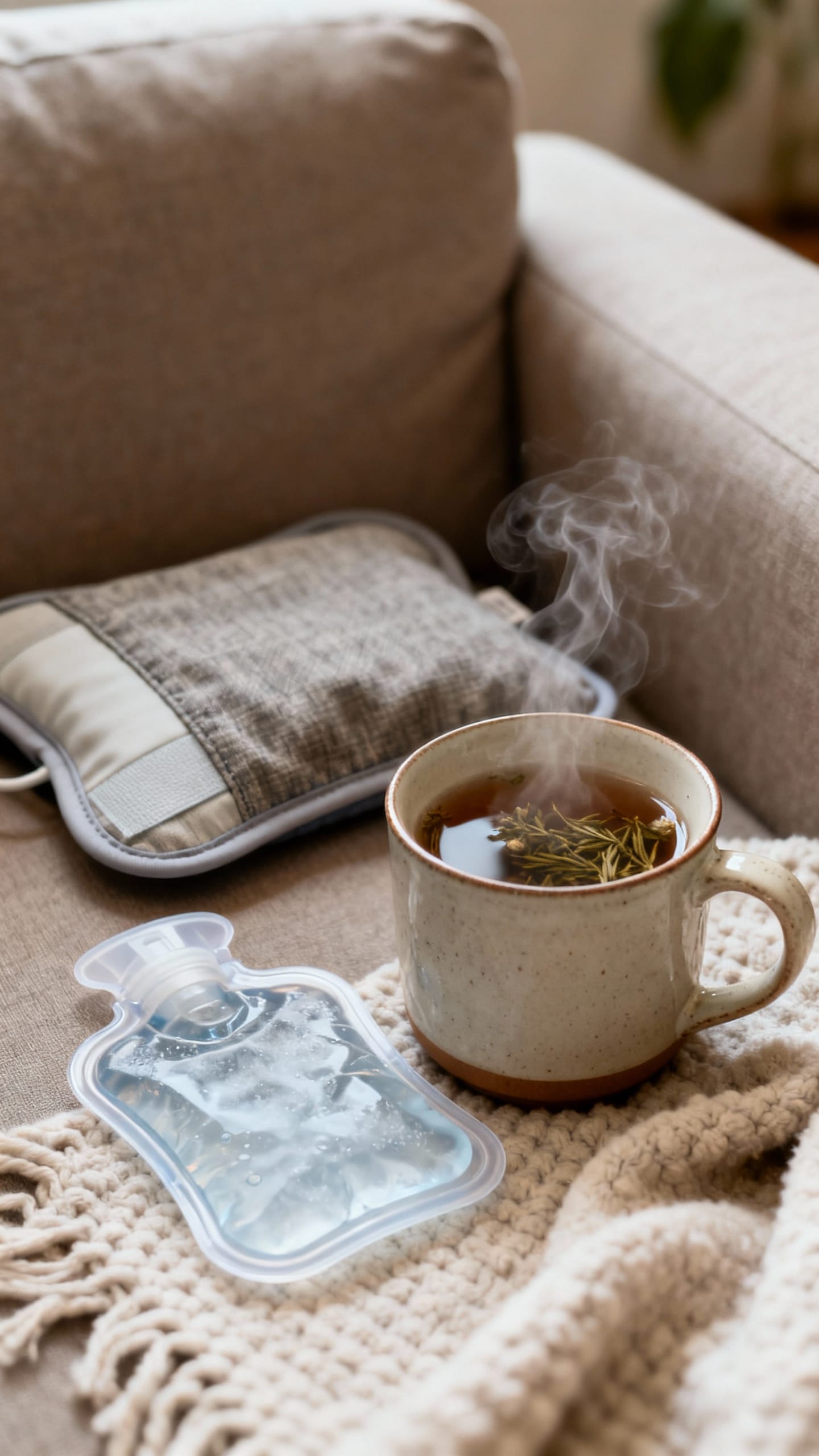
- Heat/ice rotations for tender joints or muscle flare-ups.
- Magnesium glycinate may ease muscle tension and sleep.
Start low, go slow.
Brain fog and mood
- Prioritize sleep and structured breaks. Your brain needs intervals, not marathons.
- Omega-3s and B vitamins (especially B12 if low) can support cognition.
- Light cognitive work: short reading, puzzles, or focused tasks—build back capacity gradually.
Autonomic weirdness (dizziness, heart racing on standing)
- Hydration + electrolytes daily.
- Compression socks and slow position changes.
- Rehab exercises for autonomic function (e.g., recumbent cycling or seated marches).
Co-Infections: The Plot Twist You Didn’t Ask For
Ticks can carry more than one pathogen. If you have high fevers, drenching night sweats, air hunger, low blood counts, or severe headaches, your clinician may check for babesiosis, anaplasma, ehrlichia, or RMSF.
Treatment can change based on what’s onboard—babesiosis, for instance, often needs a different combo than Lyme. FYI: You’re not “doing it wrong” if recovery takes longer with co-infections. It’s just more moving parts.
Keep a Symptom Timeline
Track symptoms weekly:
- Energy 1–10
- Pain: location and intensity
- Sleep quality
- Fevers/sweats/headaches
- Notes on meds, supplements, and flares
This helps you and your clinician spot patterns and decide if you need to pivot.
Supplements: Helpful or Hype?
Some supplements support recovery.
Some drain your wallet. Use these strategically and loop in your clinician, especially if you take medications. Usually reasonable (with guidance):
- Vitamin D if you’re deficient (test first).
- Omega-3s for inflammation and brain health.
- Magnesium glycinate for sleep and muscle tension.
- Probiotics during/after antibiotics to support gut health (separate by at least 2–3 hours from antibiotics).
Use caution with:
- High-dose herbs marketed as “cures.” Some have interactions and side effects.
- Massive detox protocols that leave you bedbound. Your liver already detoxes; support it with sleep, hydration, and fiber.
- Random stacks from forums.
Your body isn’t a supplement vending machine.
Rehab Your Routine Without Burning Out
Recovery isn’t just meds. It’s also pacing—aka the art of not doing too much when you finally feel a little better. If you push to 110% on good days, you’ll pay on bad days. Try the 3–3–3 rule:
- 3 priorities per day (tiny ones count).
- 3 short movement breaks (5–10 minutes each).
- 3 restoration blocks (breathing, stretching, sunlight, quiet time).
Nervous system reset (fast, free, not woo)
- Box breathing 4–4–4–4 for 3 minutes.
- Downshift routine before bed: low light, warm shower, no doomscrolling.
- Micro-joys: music, pet time, calling a friend.
Your brain chemistry thanks you.
Work, Social Life, and Sanity
You can’t heal while pretending nothing changed. Adjust without apologizing.
- Negotiate workload or flexible hours temporarily.
- Batch tasks when your energy peaks, then rest on purpose.
- Set expectations with family and friends. “I’m recovering, I’ll confirm plans day-of.”
- Therapy or support groups help when the mental load spikes.
When to Revisit Your Clinician
Don’t “tough it out” if things aren’t improving. Circle back if:
- Symptoms worsen after starting treatment.
- No improvement after the expected window your clinician gave you.
- New symptoms pop up (e.g., shortness of breath, chest pain, severe headaches, confusion).
- Side effects from meds or supplements show up.
Bring your symptom log.
Ask direct questions. Shared decision-making beats guessing, IMO.
FAQ
Do I need antibiotics if I never saw a rash?
Maybe. Not everyone gets the classic bull’s-eye rash.
Clinicians consider your symptoms, exposure risk, and timing. If suspicion stays high, they might treat even without a rash. Don’t let a missing rash delay care.
How long does recovery usually take?
It varies.
Some people bounce back in weeks. Others need months, especially with co-infections or delayed treatment. Focus on steady trends, not overnight miracles.
Progress often looks like fewer flares and longer good stretches.
Are “Herx reactions” real?
Some people feel worse when treatment starts—more aches, fatigue, flu-ish vibes. It can happen, but it shouldn’t flatten you indefinitely. Hydrate, rest, and call your clinician if symptoms get intense or scary.
Don’t white-knuckle through severe reactions.
Can I exercise during treatment?
Yes—gently. Use low-impact movement and short sessions. If you crash the next day, reduce intensity or duration.
Fitness returns as your body heals. You don’t need to PR anything right now.
What about alcohol?
Minimize it. Alcohol stresses your liver, messes with sleep, and inflames everything.
If you drink, keep it light and infrequent while you recover.
Do I need to “detox”?
Your body already detoxes via liver, kidneys, lymph, skin, and lungs. Support that with sleep, hydration, fiber, and movement. Extreme detox cleanses or sauna marathons can backfire.
Simple > sensational.
The Bottom Line
You can heal, even if the path zigzags. Nail the basics, treat what’s there, track your progress, and adjust with your clinician when needed. Protect your energy, celebrate small wins, and ignore the internet doom spiral.
Recovery isn’t a personality test—it’s a process. And you’ve got this, FYI.