
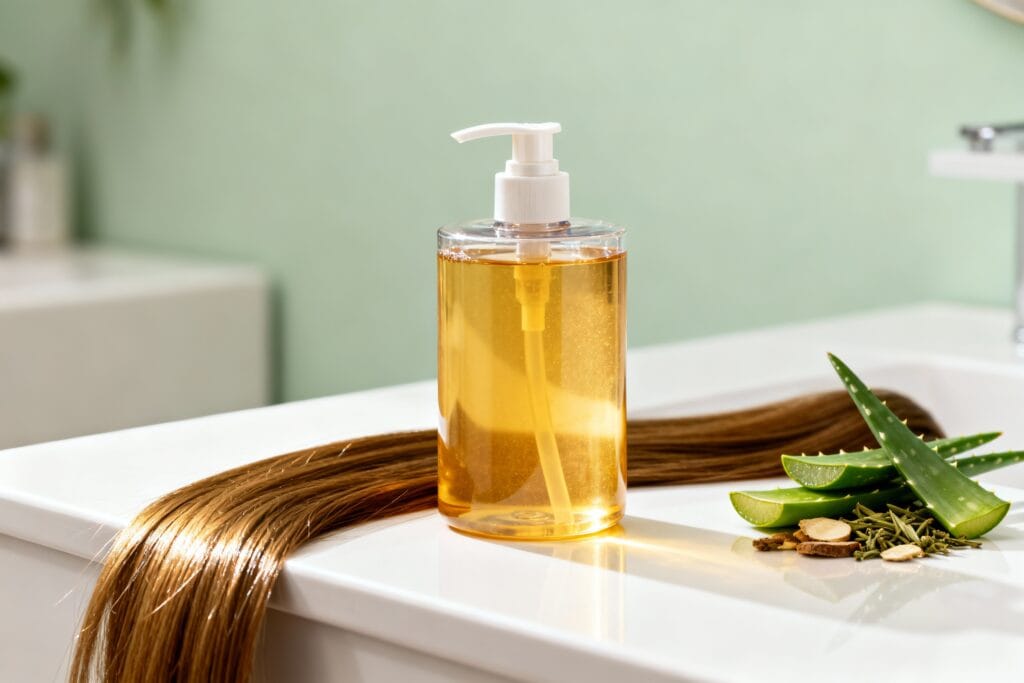
You want stronger, happier hair without sketchy preservatives like DMDM hydantoin hanging out on your scalp? Same. You don’t need a chemistry degree to choose a safe shampoo that actually works.
Let’s skip the fluff and talk formulas, labels, and legit good products that ditch DMDM hydantoin and still leave your hair glossy and healthy.
What’s the deal with DMDM hydantoin?
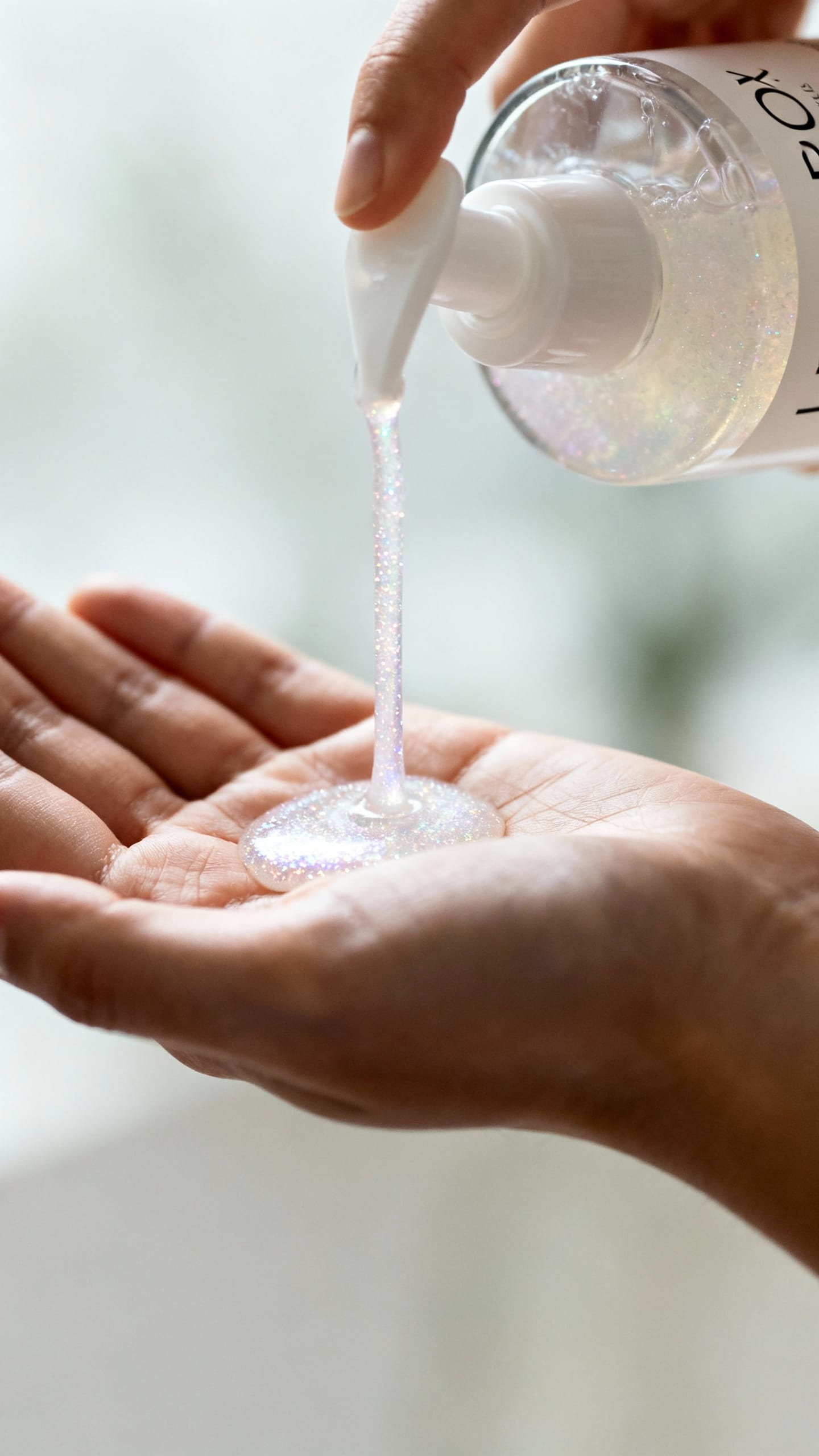
DMDM hydantoin is a formaldehyde-releasing preservative. It keeps products from growing mold (yay) but can release tiny amounts of formaldehyde over time (not yay for some scalps). Some folks tolerate it.
Others get itchiness, flakes, or irritation. You don’t need to panic, but you can choose other preservatives without the drama. FYI: Brands have tons of safer options now, so going DMDM-free doesn’t mean sacrificing performance.
How to spot DMDM hydantoin—and what to pick instead
You’ll find DMDM hydantoin in ingredient lists as… DMDM Hydantoin.
Shocking, I know. You might also see other formaldehyde-releasers, like:
- Imidazolidinyl urea
- Diazolidinyl urea
- Quaternium-15
- Bronopol (2-bromo-2-nitropropane-1,3-diol)
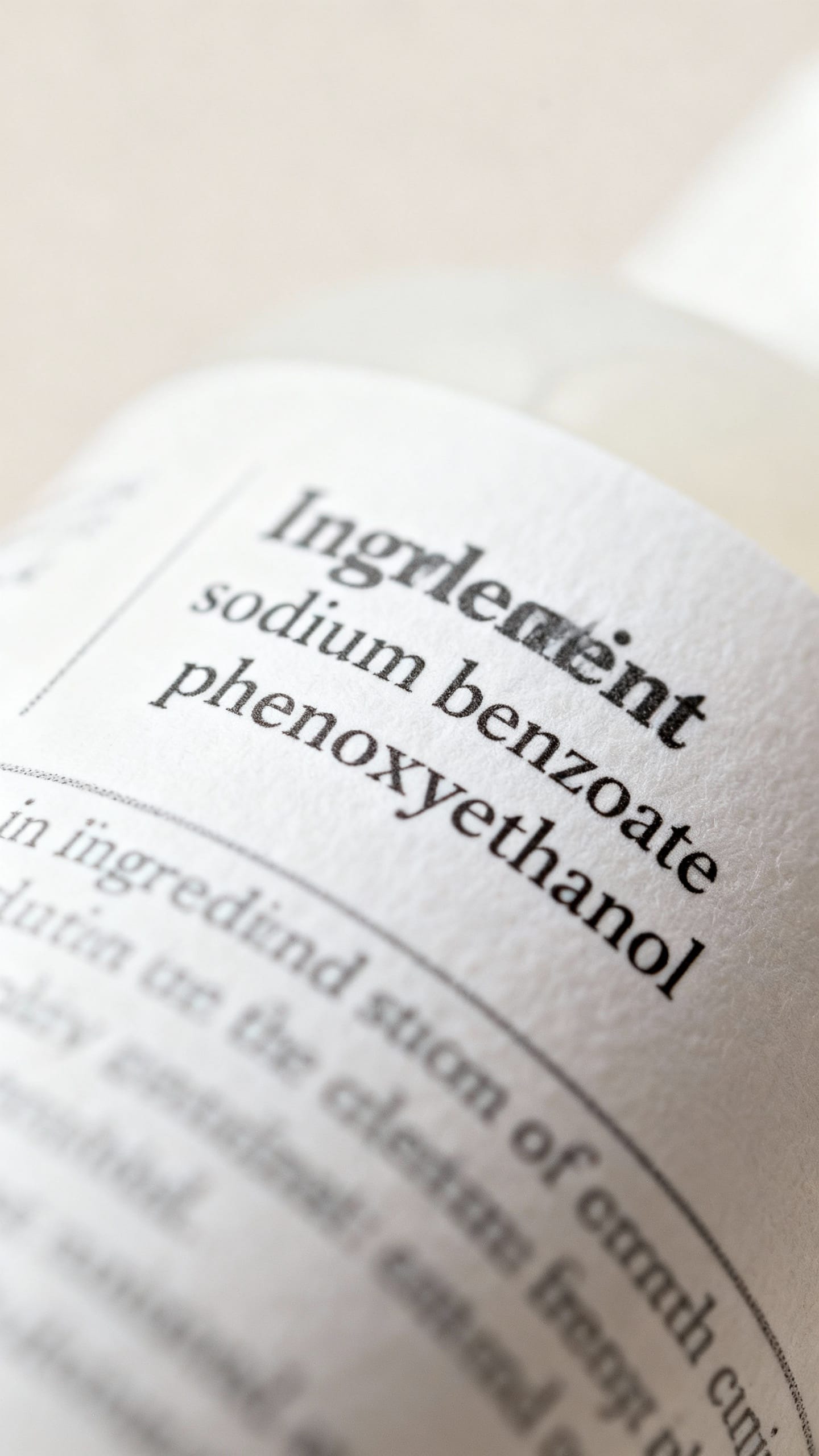
Look for shampoos preserved with alternatives like:
- Sodium benzoate
- Potassium sorbate
- Ethylhexylglycerin
- Phenoxyethanol (common, generally well-tolerated)
Quick label-reading tip
If a brand says “formaldehyde-free” or “DMDM hydantoin–free,” still scan the ingredient list. Marketing is cute; ingredients tell the truth.
The best DMDM hydantoin–free shampoos for healthy, strong hair
I picked standouts across budgets and hair types.
They’re all DMDM hydantoin–free, effective, and not boring.
1) Olaplex No. 4 Bond Maintenance Shampoo
Why it’s great: If you heat-style or color, this one helps reinforce bonds and reduce breakage. It’s gentle but leaves hair feeling dense and smooth. Preservatives: Typically phenoxyethanol + ethylhexylglycerin. Best for: Damaged, color-treated, or bleached hair. Heads-up: It’s concentrated. Use less than you think.
2) Briogeo Don’t Despair, Repair!
Super Moisture Shampoo
Why it’s great: Loads of moisture without a heavy film. Your curls and waves will thank you. Preservatives: Phenoxyethanol, sodium benzoate. Best for: Dry, brittle, or curly hair types. Bonus: Silicone-free, so you won’t get buildup.
3) Paul Mitchell Tea Tree Special Shampoo
Why it’s great: That tingle! Refreshes the scalp, cuts grease, and keeps your hair airy. Preservatives: Phenoxyethanol-based systems. Best for: Oily scalps or anyone who sweats a lot. Note: Fragrant essential oils—patch test if you’re sensitive.
4) VERB Hydrating Shampoo
Why it’s great: Balanced hydration with a light, clean finish.
Affordable, salon-adjacent vibe. Preservatives: Sodium benzoate, potassium sorbate. Best for: Normal to dry hair, fine to medium strands.
5) Kérastase Resistance Bain Force Architecte
Why it’s great: Strength-focused formula for overprocessed hair that snaps or splits. Preservatives: Phenoxyethanol-based. Best for: Weak, brittle hair that needs structure.
6) SheaMoisture Jamaican Black Castor Oil Strengthen & Restore Shampoo
Why it’s great: Castor oil + shea butter + apple cider vinegar equals clean roots and conditioned ends. Preservatives: Sodium benzoate, potassium sorbate. Best for: Coily, kinky, or protective-style wearers; also great for dry, stressed hair. FYI: Can feel rich—rinse thoroughly.
7) L’Oréal Paris EverPure Sulfate-Free Moisture Shampoo
Why it’s great: Wallet-friendly, color-safe, and gentle. No sulfates, no DMDM hydantoin. Preservatives: Phenoxyethanol. Best for: Color-treated hair that still gets oily.
8) Vanicream Shampoo (Free & Clear)
Why it’s great: Minimalist formula, no fragrance, no common irritants. Dermatologist-favorite. Preservatives: Sodium benzoate, others in low-irritation blends. Best for: Sensitive scalps, eczema, or contact dermatitis.
But will DMDM-free shampoos still keep your scalp healthy?
Yes.
The key isn’t just removing one preservative—it’s using a formula that supports your scalp barrier. Think gentle surfactants and smart hydration. You want clean hair without stripping everything your scalp needs to stay calm.
Ingredients that support strength
- Bond builders (bis-aminopropyl diglycol dimaleate, maleate): Help reduce breakage over time.
- Proteins/peptides (hydrolyzed keratin, wheat, rice): Add temporary strength and shine.
- Humectants (glycerin, panthenol): Pull in moisture for softer strands.
- Lightweight conditioners (polyquaterniums, cationic polymers): Smooth without suffocating hair.
Choosing the right formula for your hair type
You’ll get the best results when your shampoo matches your hair/scalp situation.
Obvious, but we all forget sometimes.
Oily scalp, fine hair
- Look for: Lightweight, clarifying-leaning formulas with gentle surfactants.
- Avoid: Heavy oils and butters in the first 10 ingredients.
- Try: Paul Mitchell Tea Tree, L’Oréal EverPure (Moisture or Volume).
Dry scalp or thicker textures
- Look for: Creamy shampoos, humectants, and light oils.
- Avoid: Daily clarifying washes that squeak your hair clean.
- Try: Briogeo Don’t Despair, SheaMoisture JBCO, VERB Hydrating.
Damaged or color-treated hair
- Look for: Bond builders, proteins, low-sulfate or sulfate-free cleansers.
- Avoid: High-heat styling without protection (your shampoo can’t fix a flat iron on 450°F).
- Try: Olaplex No. 4, Kérastase Resistance.
How to build a routine that actually makes hair stronger
Products help, but technique matters. Like, a lot.
Wash routine that doesn’t wreck your hair
- Pre-rinse well: Fully saturate hair with lukewarm water—your shampoo will spread better.
- Use a quarter-size amount: Add water in your hands to foam. Don’t keep squeezing the bottle.
- Massage the scalp, not the ends: Let suds run through lengths.
- Rinse thoroughly: Residue equals dullness and itchiness.
- Condition mid-lengths to ends: Save the scalp from heavy coatings unless it’s very dry.
Weekly extras (IMO, worth it)
- Clarify once every 1–2 weeks if you use lots of stylers or live in hard water.
Follow with a rich conditioner.
- Mask or bond treatment weekly for breakage-prone hair.
- Leave-in conditioner + heat protectant when styling. Non-negotiable if you want strength.
Ingredient myths to ignore
Let’s call out a few things that cause confusion.
- “DMDM hydantoin = instant hair loss.” Not accurate. Some people get scalp irritation, which can contribute to shedding, but it’s not a guaranteed outcome.
- “Natural = always safer.” Poison ivy is natural.
Enough said. Judge the formula, not the vibe.
- “Sulfate-free means weak cleanse.” Plenty of sulfate-free blends clean thoroughly without stripping.
FAQ
Is DMDM hydantoin banned?
No. It’s allowed in many regions at low concentrations, but some brands avoid it due to consumer preference and potential irritation.
If your scalp gets itchy or flaky, switching off it can help.
Will DMDM hydantoin–free shampoos last as long on the shelf?
Yes, when preserved properly. Many DMDM-free formulas use blends like phenoxyethanol with ethylhexylglycerin or sodium benzoate. Store any shampoo away from heat and close the cap to prevent contamination.
Do I need to avoid all formaldehyde-releasing preservatives?
Not necessarily.
If your scalp feels fine, you’re okay. If you have a history of contact dermatitis or sensitivity, avoiding them is reasonable. Patch testing new products is always smart, IMO.
Which option is best for curly hair?
Briogeo Don’t Despair, Repair! and SheaMoisture JBCO both hydrate without harsh cleansers.
Pair with a silicone-free conditioner if you want maximum bounce.
What if I have super sensitive skin?
Try Vanicream Shampoo or other fragrance-free, low-residue options. Keep your routine minimal for a few weeks, then add products slowly so you can spot triggers.
Can a shampoo really make hair “stronger”?
It can reduce breakage by balancing cleanse and conditioning, and some ingredients temporarily reinforce strands. The real gains come from the full routine: gentle washing, bond or protein treatments, plus heat protection.
Team effort.
The bottom line
You don’t need DMDM hydantoin to get clean, strong, glossy hair. Choose a formula that matches your scalp and strand needs, check the preservatives, and nail your technique. Start with one of the picks above, give it 3–4 washes, and watch your hair chill out.
Stronger hair, fewer flakes, less drama—sign me up.