


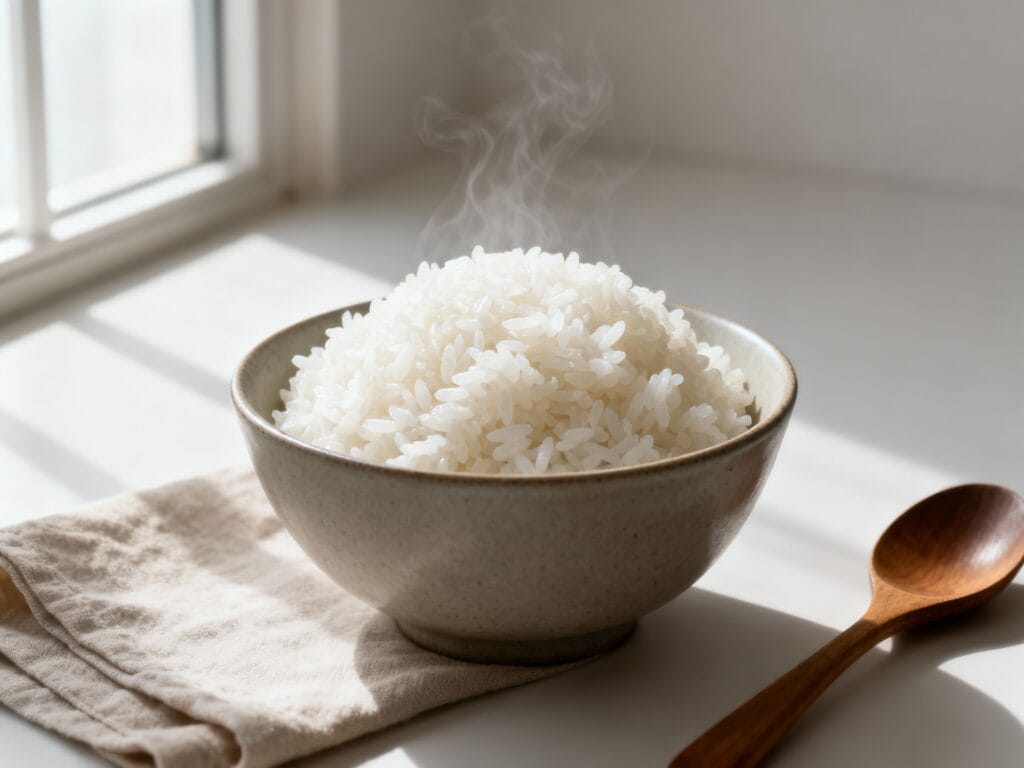
Rice Recipe 101: How to Cook Perfect Rice Every Time (Stovetop + Rice Cooker)
Perfect rice isn’t about luck—it’s about a tiny set of rules that work every time. Once you nail rinse + ratio + rest, you’ll never go back to gummy, crunchy, or weirdly wet rice again.
This is your go-to Rice 101 guide for fluffy, separate grains on the stovetop and in a rice cooker. Keep it simple for weeknights, or level it up for meal prep, bowls, stir-fries, and cozy soups.
Why You’ll Love This
It’s a no-drama method that works with the two most common ways people cook rice: stovetop and rice cooker. You’ll get consistent results, plus easy tweaks for different textures, grains, and flavors.
Ingredients
- 1 cup long-grain white rice (jasmine or basmati are great)
- 1 1/2 cups water (stovetop and most rice cookers)
- 1/2 teaspoon kosher salt (optional but recommended)
- 1 teaspoon butter or oil (optional, for extra fluffy grains)
How to Make It
- Rinse the rice: Add rice to a fine-mesh strainer and rinse under cool water, swishing with your hand, until the water runs mostly clear (about 20–40 seconds). This removes excess starch for fluffier rice.
- Drain well: Let the rice sit in the strainer for 30 seconds so you’re not accidentally adding extra water.
- Choose your method: Use a small pot with a tight-fitting lid for stovetop, or your rice cooker insert. Add the rinsed rice.
- Add water + salt: Pour in 1 1/2 cups water and add salt if using. For a little extra separation and flavor, stir in butter or oil.
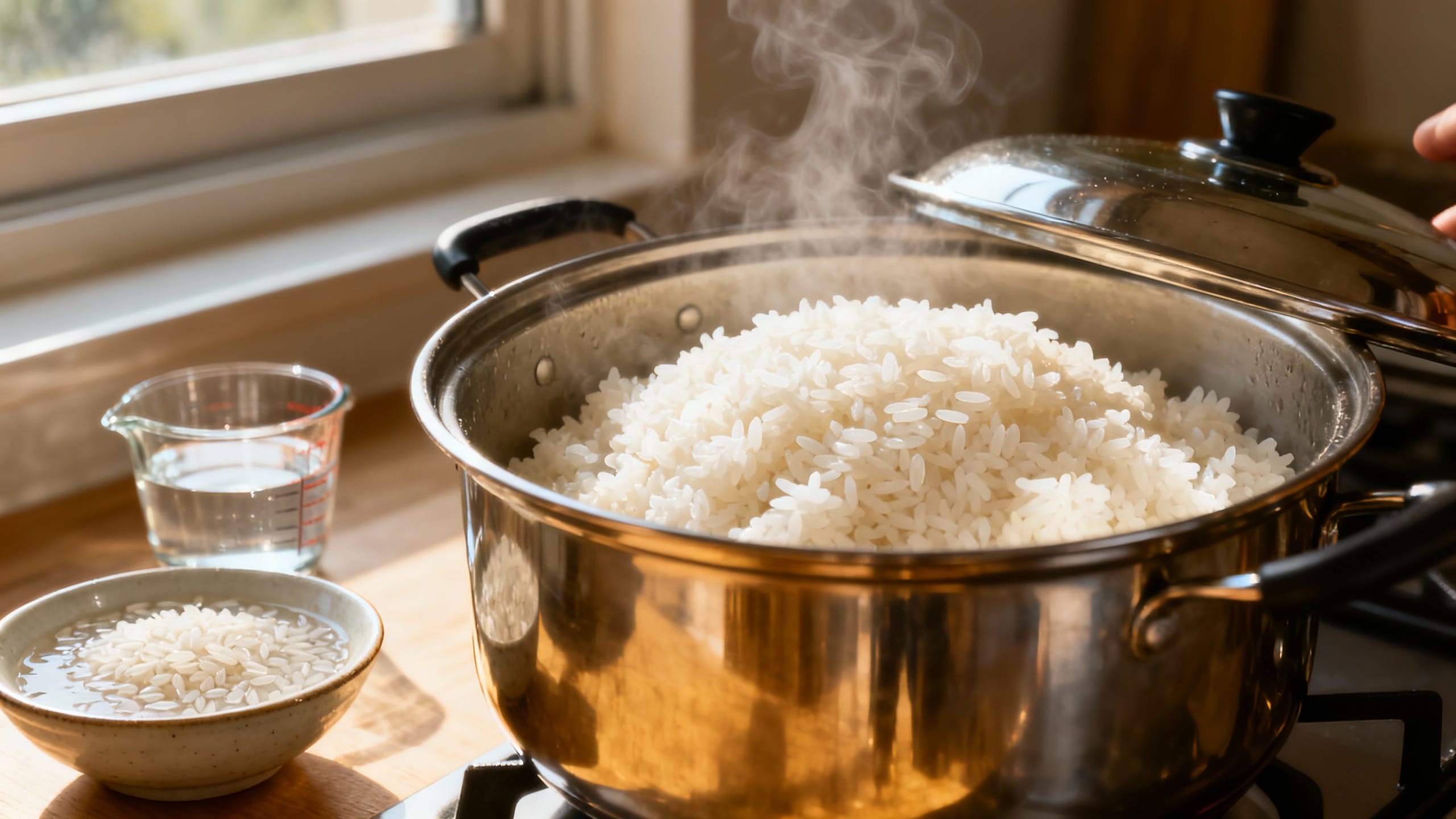
- Stovetop: bring to a boil: Set the pot over medium-high heat, uncovered, until you see a steady boil across the surface (not just one bubble).
- Stovetop: cover and simmer: Immediately reduce heat to low, cover with the lid, and simmer for 15 minutes. Do not lift the lid.
- Rice cooker: start: Close the lid and cook on the regular/white rice setting. No stirring, no peeking if you can help it.
- Rest: When the timer ends (or after 15 minutes on the stovetop), turn off the heat and let rice rest covered for 10 minutes. This finishes steaming the center so it’s tender, not crunchy.
- Fluff and serve: Use a fork or rice paddle to gently fluff, lifting and separating the grains. Taste and add a pinch more salt if you want.
Tips for the Best Results
- Rinse = fluffy: Skipping the rinse is the fastest route to sticky, clumpy rice. A quick rinse makes a big difference.
- Use a tight lid: Steam is the whole game. If your lid leaks, consider placing a clean kitchen towel under the lid (stovetop only) to catch condensation.
- Don’t stir while cooking: Stirring releases starch and can make rice gummy. Save the fluffing for the end.
- Rest is non-negotiable: That 10-minute covered rest is what turns “almost done” rice into perfect rice.
- Adjust for your preferred texture: For slightly softer rice, add 1–2 tablespoons extra water. For firmer rice, reduce water by 1–2 tablespoons.
- Scale it up correctly: Doubling rice usually works with the same ratio, but you may need a couple extra minutes cook time and a longer rest.
- Salt early: Salting the water (like pasta) seasons the grains all the way through.
Variations
- Brown rice: Use 1 cup brown rice + 2 cups water. Stovetop: simmer 40–45 minutes, then rest 10 minutes. Rice cooker: use brown setting if available.
- Short-grain/sushi rice: Rinse very well. Use 1 cup rice + 1 1/4 cups water for a stickier, cohesive texture.
- Quinoa-style fluffy: Toast the rinsed, drained rice in 1 teaspoon oil for 1 minute before adding water for a slightly nuttier vibe.
- Coconut rice: Swap 1/2 cup water for 1/2 cup canned coconut milk. Add a pinch of sugar and extra salt if you like that sweet-savory balance.
- Brothy rice: Replace water with chicken or veggie broth for instant flavor (great for bowls and meal prep).
- Garlic herb rice: Add 1 smashed garlic clove to the water (remove after cooking) and finish with chopped parsley or cilantro.
Storage & Reheating
Cool rice quickly, then store in an airtight container in the fridge for up to 4 days. Reheat in the microwave with a splash of water (covered) until steaming hot, or warm in a skillet with a tablespoon of water and a lid; fluff again before serving.
FAQ
What’s the best water-to-rice ratio for white rice?
For long-grain white rice (like jasmine or basmati), 1 cup rice to 1 1/2 cups water is a reliable everyday ratio for both stovetop and most rice cookers. If you like softer rice, add 1–2 tablespoons more water; for firmer rice, use a touch less.
Do I really need to rinse rice?
For “perfect rice every time,” yes—especially for white rice. Rinsing removes surface starch that can make rice sticky or gluey. If you’re making something where stickiness is the goal (like sushi rice), you still rinse, but you’ll use a slightly lower water ratio.
Why is my rice crunchy in the middle?
Usually one of three things: the heat was too high and water evaporated too fast, the lid wasn’t tight and steam escaped, or you skipped the rest. Keep the simmer low, don’t lift the lid, and always rest covered for 10 minutes to finish steaming the centers.
Why is my rice mushy or wet?
That’s typically too much water, stirring while cooking, or overcooking. Measure water carefully, avoid stirring, and if you’re using a rice cooker, let it switch to “warm” and then rest for a few minutes rather than leaving it on heat for a long time.
Can I cook rice in a rice cooker without the measuring cup it came with?
Yes—just use standard kitchen measuring cups and stick to the ratio in this post (1 cup rice + 1 1/2 cups water for long-grain white rice). The included rice cooker cup is smaller than a standard cup, so mixing them can throw off your results.