


Your upper lip moved a lot today. Talking, sipping, smiling, maybe a sneaky straw. Those tiny motions add up, and suddenly those “smoker’s lines” show up even if you’ve never touched a cigarette.
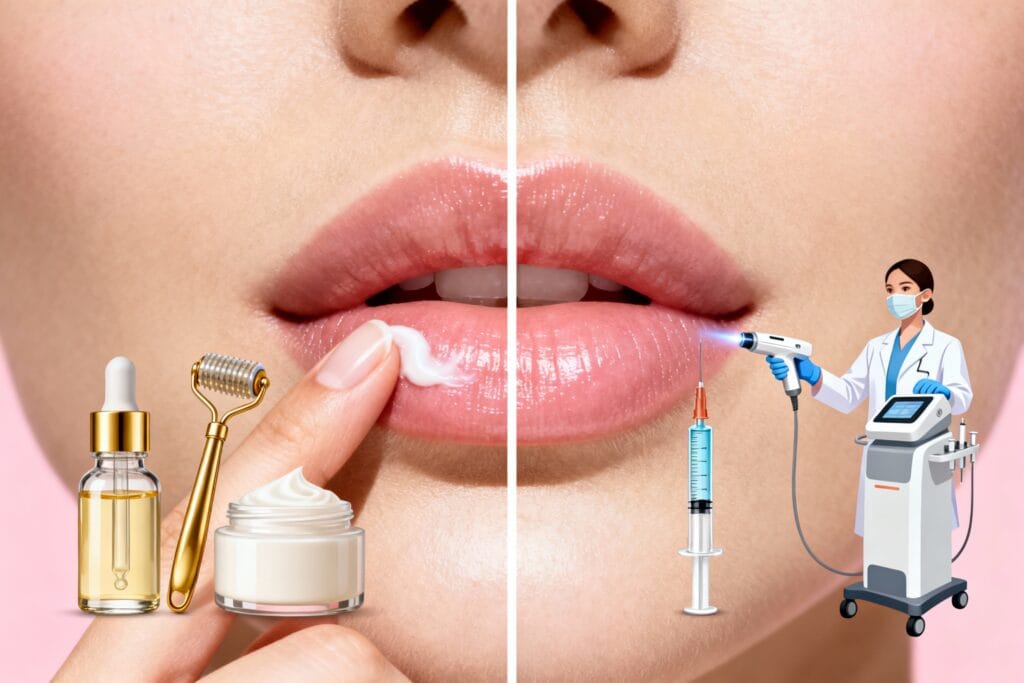
The good news? You have solid at-home fixes and legit pro options that smooth things out without going full wax statue. Let’s get into it—fast, effective, and real.
Why Upper-Lip Wrinkles Happen (Spoiler: It’s Not Just Age)
Short version: the skin above your lip is thin and super expressive.
You pucker, you chat, you sip—your orbicularis oris muscle is doing Pilates all day. Over time, collagen and elastin decline, and repetitive motion etches fine vertical lines. Sun exposure, genetics, and lifestyle speed the process.
Other culprits:
- UV damage: Breaks down collagen. Sunscreen slacking shows up here first.
- Smoking or straw use: Repetitive pursing = mechanical lines.
- Dehydration: Skin looks crinkly when thirsty.
- Hormonal shifts: Less estrogen = less collagen support.
So no, you didn’t “cause” it. But you can absolutely tackle it.
Daily Habits That Actually Make a Difference
Small moves pay off.
Think compounding interest, but for skin.
- SPF 30+ every morning: Reapply if you’re outside. Choose a formula you’ll actually wear.
- Moisturize strategically: Look for ceramides, glycerin, and hyaluronic acid to plump the area temporarily.
- Swap the straw: Sip from the cup to reduce repetitive pursing. Yes, I know, iced coffee lovers everywhere just sighed.
- Sleep on your back if you can: Side-sleeping can fold your face.
Pillow lines become real lines over time.
- Quit smoking (if applicable): Nothing accelerates perioral lines like smoke and constant puckering.
At-Home Actives That Work (And How To Use Them)
Consistency beats intensity. You don’t need a dozen products—you need the right ones, layered properly.
Retinoids: The MVP
Retinoids (retinol, retinaldehyde, adapalene, tretinoin) boost cell turnover and collagen. Start low, go slow.
- How: Apply a pea-sized amount to the whole face, then dab a whisper-thin layer above the lip 2-3 nights/week.
- Tip: Buffer with moisturizer to reduce irritation.
Stick with it for 12 weeks minimum.
Peptides and Growth Factors
These signal the skin to behave younger. They won’t replace tretinoin, but they support it.
- How: Use peptide serums in the morning under sunscreen, or at night on off-retinoid days.
Exfoliants: AHA/BHA/PHA
Gentle chemical exfoliants smooth texture so lines look less etched.
- How: Use a low-strength lactic or mandelic acid 1-2x/week. Avoid over-exfoliating, especially if you use retinoids.
Hyaluronic Acid + Occlusive Support
HA temporarily plumps by attracting water.
Then seal it in.
- How: Apply HA to damp skin, then layer a ceramide cream or a tiny bit of petrolatum on top at night.
Niacinamide
The overachiever. It supports the skin barrier and improves tone and texture.
- How: 2-5% in a daily serum or moisturizer, morning or night.
Pro tip: Patch test the upper lip area—it’s sensitive. If you get flaky or stingy, reduce frequency, not just quantity.
At-Home Devices: Hype vs.
Helpful
Some gadgets deliver. Some mostly deliver a lighter wallet.
Microneedling (Home Rollers vs. Real Devices)
At-home dermarollers typically use short needles (0.2–0.3 mm) that boost product absorption more than collagen. Professional microneedling goes deeper for collagen remodeling.
If you DIY:
- Use sterile tools and disinfect properly.
- Roll very gently 1x/week max.
- Follow with a simple, soothing serum (no acids or retinoids that night).
IMO, home microneedling gives mild improvement at best. Save for pro sessions if you want real remodeling.
LED (Red Light)
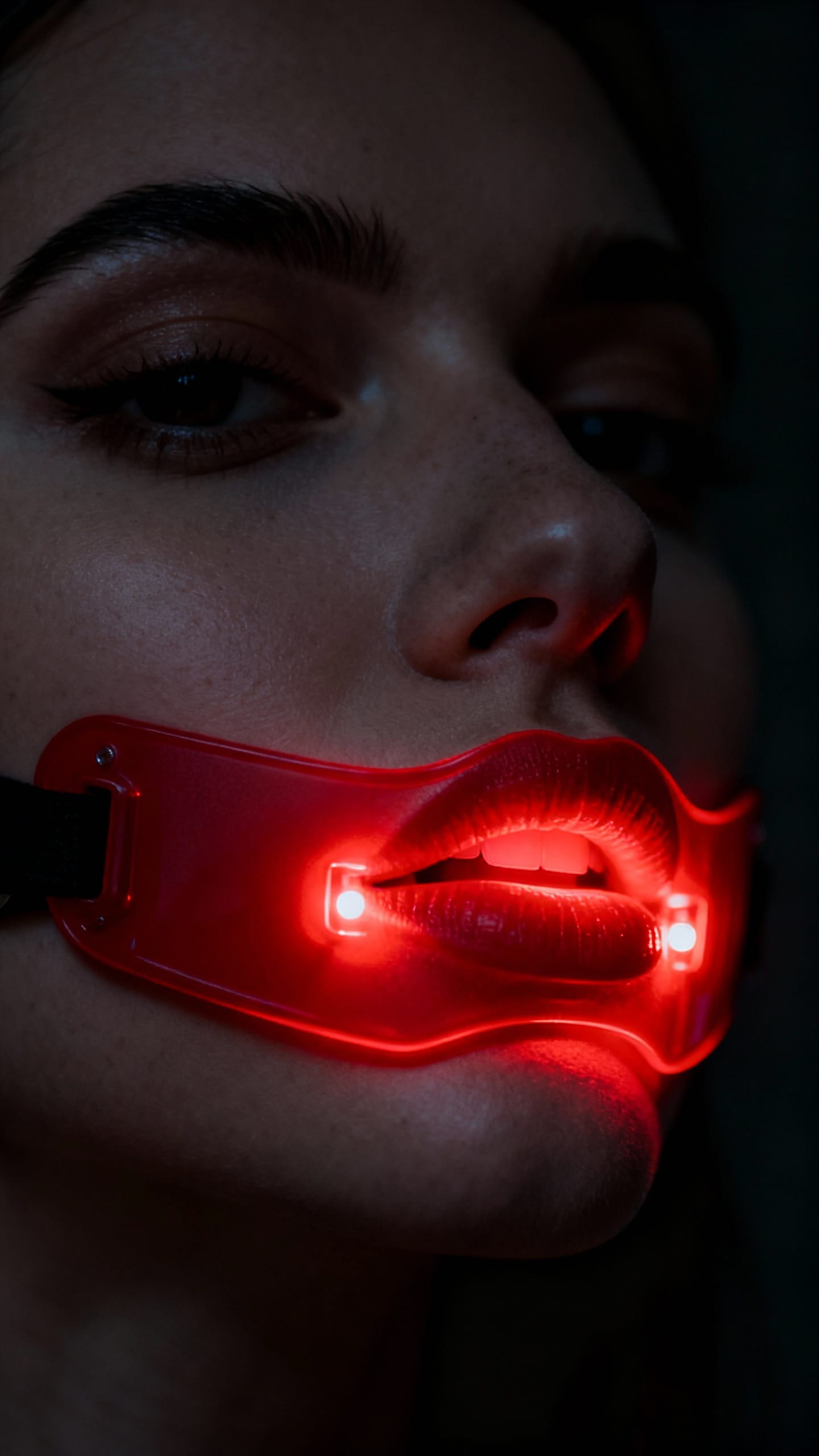
Red/near-infrared LED supports collagen over time. It’s subtle but safe.
- Use a reputable device 3-5x/week for 10-20 minutes.
- Pair with peptides and sunscreen for best results.
Microcurrent
Microcurrent can slightly lift and firm by stimulating facial muscles.
It won’t erase lines, but it can soften their look temporarily.
- Use consistently (think 5 minutes a day). Results fade when you stop.
Makeup and Quick-Fix Tricks
You want camouflage while the actives do their long game? Easy.
- Hydrating primer: Smooths the canvas so lipstick doesn’t catch in lines.
- Thin layers: Too much foundation settles into creases.
Less is more.
- Soft lip liners: Prevent feathering without harsh edges.
- Creamy, satin lipsticks: Matte can emphasize lines; go dewy or satin for a smoother look.
Professional Treatments That Actually Work
When you want results you can see in photos, bring in the pros. Choose based on your goals, downtime tolerance, and budget.
Botulinum Toxin (Baby Botox)
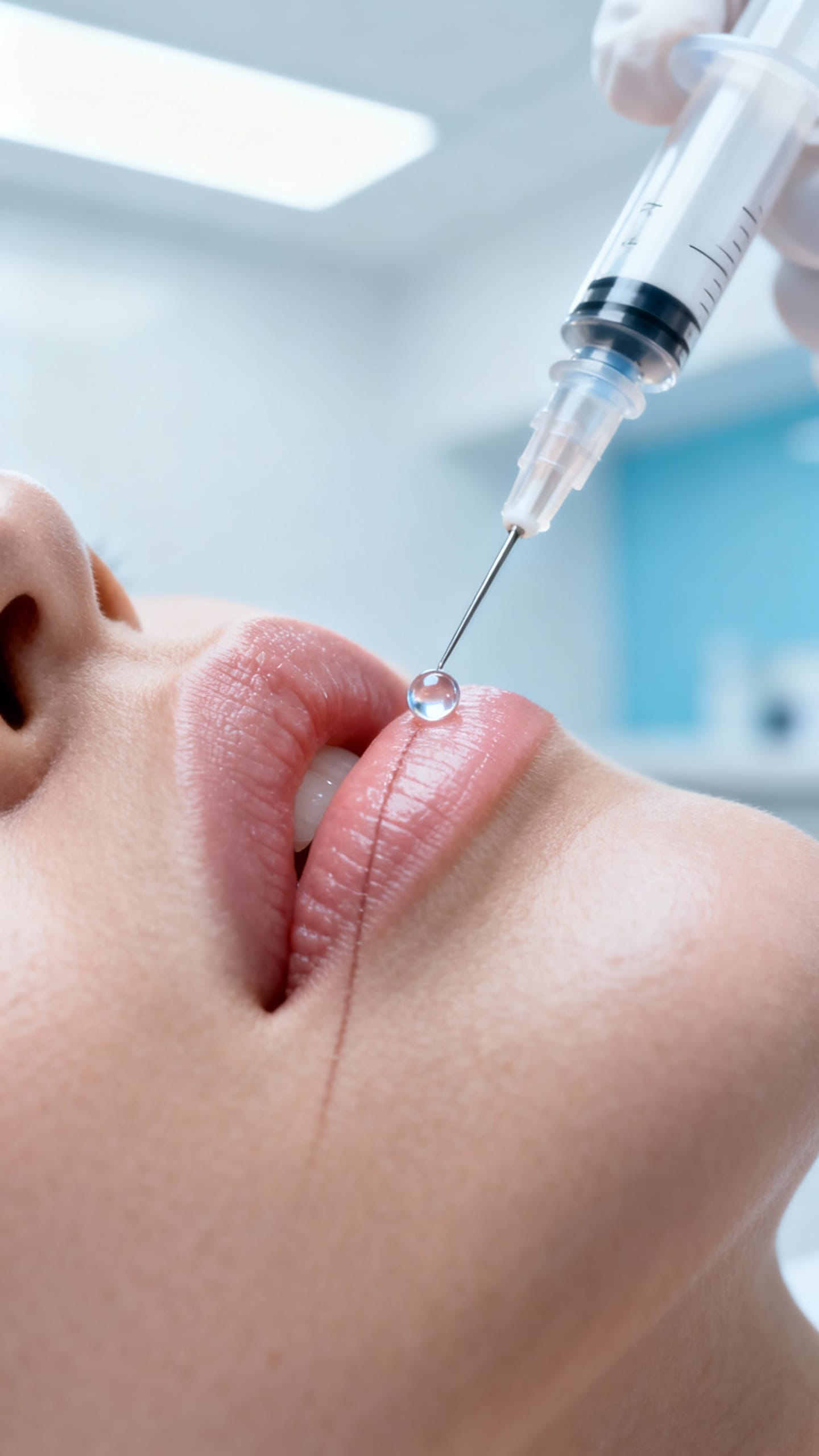
Tiny doses relax the upper-lip muscle just enough to soften vertical lines.
- Best for: Dynamic lines from pursing.
- Results: Onset in 3-7 days, lasts ~8-12 weeks around the mouth.
- Note: Too much can make the lip feel stiff. Choose an injector with perioral experience.
Hyaluronic Acid Filler (Micro-Droplets)
Micro-aliquots of a soft filler can fill etched lines and restore support without the “duck lip.”
- Best for: Static, etched vertical lines.
- Results: Immediate, refine over 1-2 weeks; lasts ~6-12 months depending on product and metabolism.
- Risks: Swelling, bruising, rare vascular events—go to a board-certified pro.
Microneedling With PRP
Microneedling triggers collagen; PRP (your platelet-rich plasma) turbocharges healing and remodeling.
- Best for: Texture and fine etched lines.
- Downtime: Redness 1-3 days; series of 3-4 sessions works best.
Laser Resurfacing (Fractional, Ablative/Non-Ablative)
Fractional lasers create controlled micro-injuries to rebuild collagen.
- Best for: Moderate to deep etched lines and sun damage.
- Downtime: Non-ablative: minimal; Ablative CO2/Er:YAG: 5-10+ days with significant peeling.
- Results: Noticeable smoothing after 1-3 sessions; improves over months.
Chemical Peels (Medium to Deep)
TCA or phenol peels around the mouth can dramatically smooth etched lines when done by experts.
- Best for: Diffuse etched perioral lines.
- Downtime: Several days to weeks depending on depth.
Radiofrequency Microneedling
Combines microneedling with RF energy for collagen tightening.
- Best for: Laxity plus lines.
- Downtime: Mild to moderate redness/swelling 1-3 days; series of 3 usually.
FYI: Many people get the best results from a combo: micro-Botox for movement lines + fractional laser or RF microneedling for etched lines + a touch of filler if needed.
Build Your Upper-Lip Game Plan
Let’s make it simple.
Pick your lane, then tweak.
If you want low-effort, steady improvement
- AM: Niacinamide serum + moisturizer + SPF 30+.
- PM: Retinol/retinal 2-3x/week, HA + ceramide cream nightly.
- Add: Red light 3-5x/week. Ditch straws. Hydrate.
If you want fast, visible results
- Consult for baby Botox + fractional laser or RF microneedling.
- Consider micro-droplet filler if lines stay etched.
- Maintain with retinoid and SPF to protect your investment.
Budget-friendly route
- Drugstore retinol, niacinamide, HA serum, and a solid sunscreen.
- Use a hydrating primer and satin lipstick for camouflage.
IMO: Sun protection plus a retinoid does 60% of the heavy lifting.
In-office treatments handle the rest when you’re ready.
FAQ
Can I use tretinoin directly on the upper lip?
Yes, but start slow. The area gets irritated easily. Use a rice-grain amount for the whole upper-lip zone 2-3 nights/week, buffer with moisturizer, and skip on nights you exfoliate.
If stinging or peeling ramps up, cut frequency, not just the dose.
Do lip-plumping glosses help with lines?
They help temporarily. Menthol or peptide-based plumpers boost circulation or attract water, which makes lines look softer for a couple of hours. They won’t remodel collagen, but they’re great for events or photos.
What’s better for upper-lip lines: Botox or filler?
Different jobs. Botox relaxes motion lines (great for pursing). Filler replaces volume in etched, static lines.
Many people need both in tiny, strategic amounts. A skilled injector will assess your movement and skin quality first.
How long do professional results last?
It varies. Botox: ~2-3 months around the mouth.
Filler: ~6-12 months. RF microneedling or fractional laser: improvements build for 3-6 months and can last a year or more with good skincare and sunscreen.
Are at-home dermarollers safe?
They can be, if you use short needles, keep them sterile, and don’t overdo it. But the collagen-building results stay modest.
If you want major change, pro microneedling or RF microneedling works better and safer.
Can I prevent these lines altogether?
You can’t outsmart biology completely, but you can delay and soften them. Daily SPF, no smoking, less straw use, consistent retinoids, and regular moisturization make a huge difference over time. Prevention beats correction—boring, but true.
Bottom Line
Upper-lip wrinkles show up because that skin works overtime.
Tackle them with a combo of smart daily habits (SPF, retinoid, hydration), select at-home tools (LED, maybe microcurrent), and professional treatments when you want bigger, faster results. You don’t need perfection—you need progress. Smooth, soft, and still able to smile?
That’s the goal, FYI.