


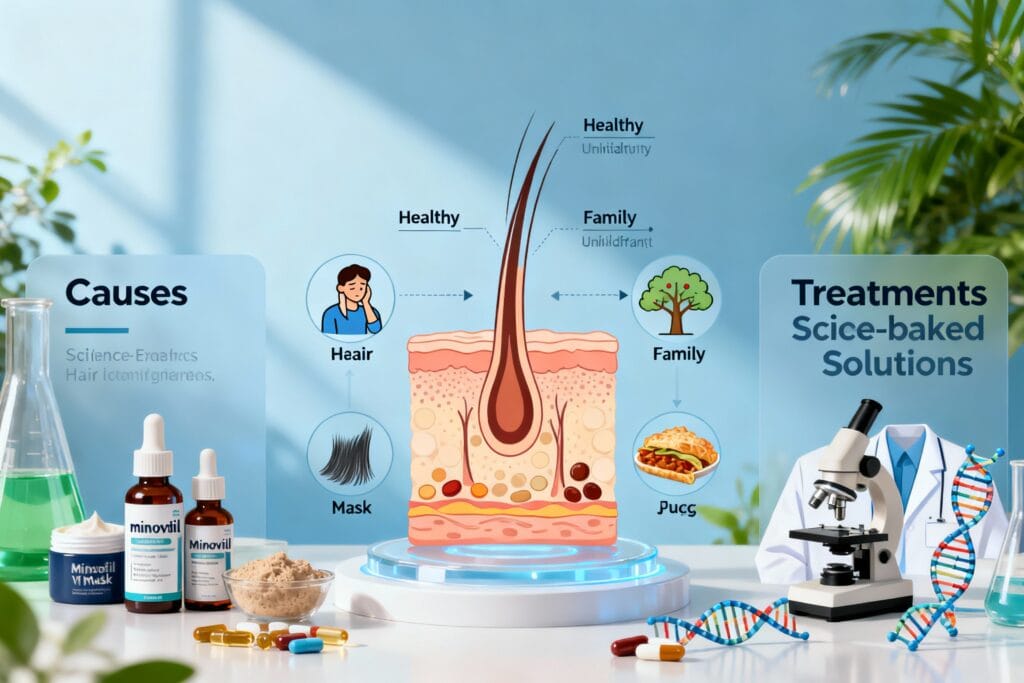
You’re shedding more hairs than your shower drain can handle, and your comb looks like it grew a fur coat. Been there. The good news: most hair fall has a reason, and once you find it, you can fight it.
Let’s cut the fluff, keep the science, and get you a plan that actually works.
First, what counts as “too much” hair fall?
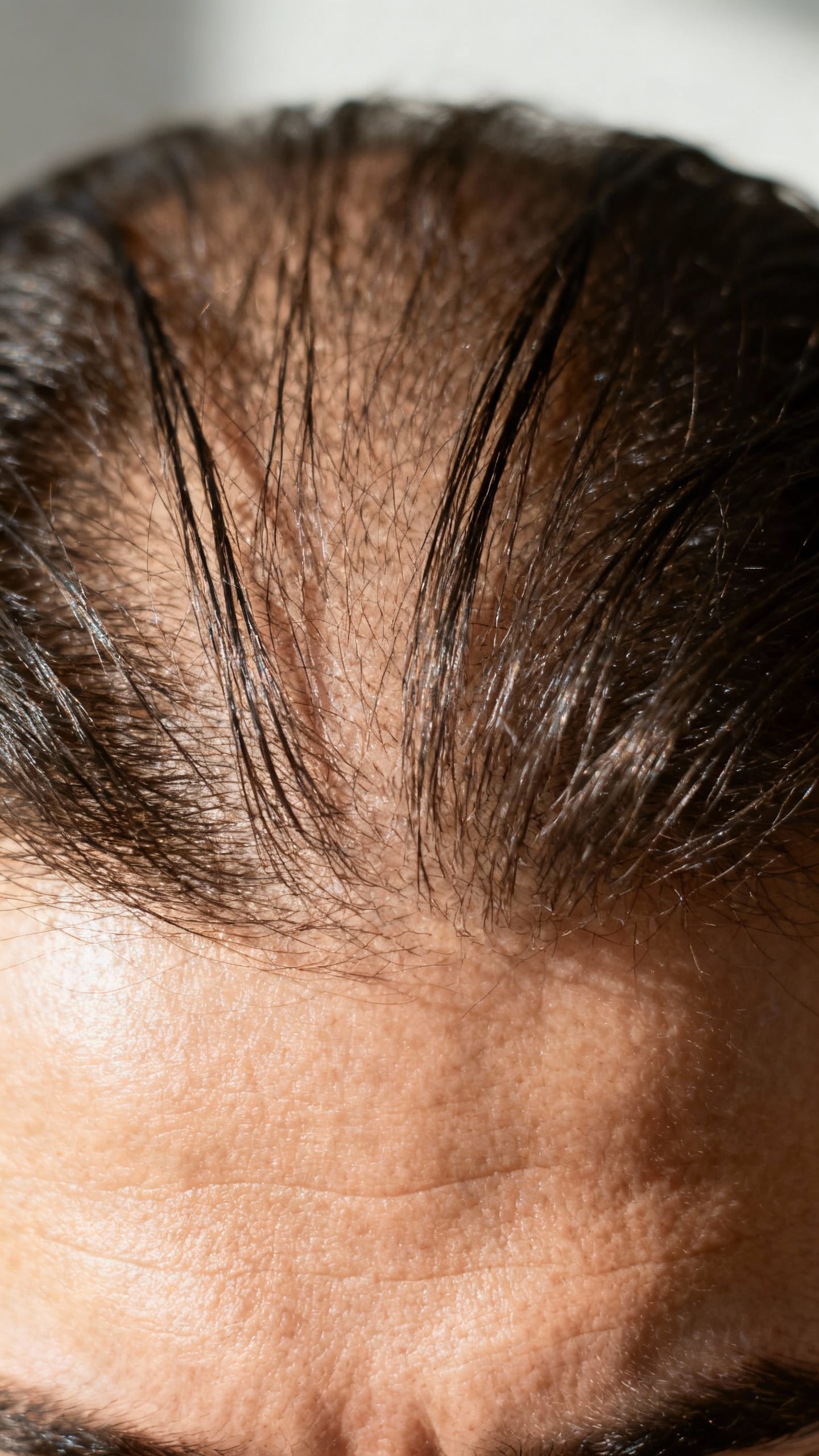
You normally lose 50–100 hairs per day. That’s fine. More than that for weeks, visible thinning, or widened part lines? That’s a signal.
Also look for patterns:
- Diffuse shedding all over your scalp = often stress, illness, diet, meds (telogen effluvium).
- Receding hairline or crown thinning = likely androgenetic alopecia (male/female pattern hair loss).
- Round bald patches = alopecia areata (autoimmune).
- Breakage near roots or edges = traction, chemical damage, or heat styling.
If you’re not sure which bucket you’re in, keep reading. We’ll map causes to fixes.
The big causes (and how to spot your culprit)
1) Genetics and hormones
Androgenetic alopecia runs in families. DHT (a testosterone byproduct) miniaturizes follicles over time.
You’ll see gradual thinning at the crown, temples, or a widened part.
2) Stress, illness, and major life events
High fever, surgery, a bad breakup, crash dieting, or childbirth can push hairs into a shedding phase 6–12 weeks later. That sudden “why is my brush full?” moment is classic telogen effluvium.
3) Nutrition gaps
Low iron, ferritin, vitamin D, protein, or zinc can trigger shedding. Vegans and heavy exercisers sometimes under-eat protein or calories.
Hair notices.
4) Thyroid and other medical issues
Hypo- or hyperthyroidism, PCOS, anemia, autoimmune disease—these often show up on your scalp before your lab results do.
5) Hair care habits that backfire
Tight styles, extensions, harsh relaxers, frequent bleaching, or scorching heat tools can cause traction alopecia and breakage. The follicles revolt. Hard.
6) Medications
Some SSRIs, isotretinoin, blood thinners, and even vitamin A overdoses can trigger shedding.
FYI, don’t stop meds without talking to your prescriber.
Science-backed treatments that actually help
Let’s match solutions to causes. No snake oil; just what research supports.
For androgenetic alopecia (pattern hair loss)
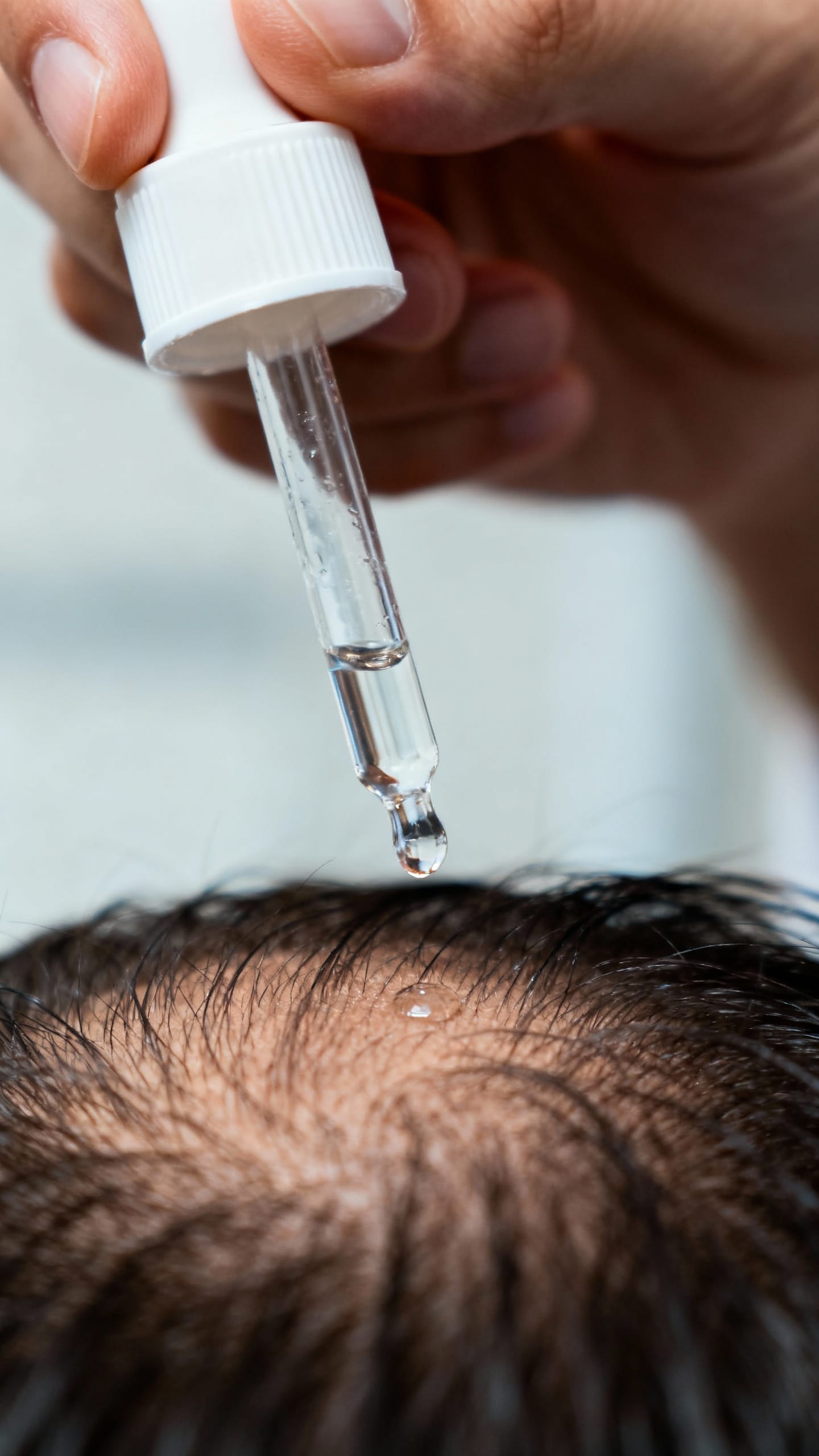
- Topical minoxidil (2–5%): Increases blood flow and prolongs growth phase. Expect 3–6 months for visible results.
Some initial shedding is normal.
- Oral minoxidil (low-dose): Off-label, supervised by a doctor. Can work when topicals annoy you. Watch for side effects (fluid retention, unwanted hair).
- Finasteride (men) or dutasteride (off-label): Lowers DHT.
Strong evidence for slowing loss and regrowth. Not for pregnancy. Discuss sexual side effects with your doc.
- Topical finasteride: Emerging data shows good efficacy with fewer systemic effects.
- PRP (platelet-rich plasma) injections: Uses your own growth factors; decent evidence for thickening.
Needs multiple sessions and maintenance.
- Low-level laser therapy (LLLT): FDA-cleared devices can help modestly if used consistently.
For telogen effluvium (stress, illness, postpartum)
- Identify and fix the trigger: address stress, recover from illness, correct diet.
- Gentle topicals: Minoxidil can speed the return to growth phase, but not mandatory.
- Time: Most TE resolves in 3–6 months after the trigger ends.
For traction or chemical damage
- Stop the damage now: Loosen styles, skip tight braids/ponytails, limit relaxers/bleach, and reduce heat.
- Scalp-friendly routine: Bond-building masks, protein treatments (not daily), and heat protectant.
- Early intervention matters. Long-term traction can cause permanent follicle loss.
For alopecia areata
Dermatology time. Options include corticosteroid injections, topical immunotherapy, JAK inhibitors (for severe cases).
Don’t DIY this one.
Your daily hair-growth protocol (simple, realistic, effective)
Pick what fits your cause and lifestyle. Consistency beats perfection.
Morning/evening
- Apply minoxidil to affected areas once or twice daily. Let it dry before styling.
- Use a scalp serum with caffeine or peptide complexes (helpful, though not as strong as minoxidil).
- Consider LLLT device 3–4 times a week if budget allows.
Weekly care
- Wash 2–4x/week based on scalp oiliness.
A clean scalp supports growth.
- Use a gentle shampoo with ketoconazole 1–2% once or twice weekly if you have dandruff/inflammation.
- Add a lightweight conditioner mid-lengths to ends. Avoid heavy oils on the scalp if you’re shedding.
- Limit heat to 1–2x/week with heat protectant. Lower temps; hair thanks you.
Nutrition checklist
- Protein: Aim for ~1.0–1.2 g/kg/day (more if you train hard).
Hair is protein.
- Iron and ferritin: Especially for menstruating individuals. Ask for labs; target ferritin > 40–70 ng/mL for hair goals.
- Vitamin D: Many people run low. Correct deficiency with your clinician.
- Zinc, B12, folate: Fix deficiencies; don’t megadose “just because.”
- Omega-3s: Anti-inflammatory support.
Food first, then supplements if needed.
Supplements with some evidence (but don’t expect magic)
- Nutrafol/Viviscal-style blends: Modest benefits for some, especially stress-related shedding.
- Collagen peptides: May support overall protein intake. Mostly indirect benefit.
- Saw palmetto: Weak DHT-blocking effect; mixed evidence. Consider if you can’t use finasteride.
IMO, supplements help as a sidekick, not the hero.
Habits that protect your hair (and sanity)
- Stress management: Sleep 7–9 hours, lift weights or walk daily, and try 10-minute breathwork.
Hair loves routine.
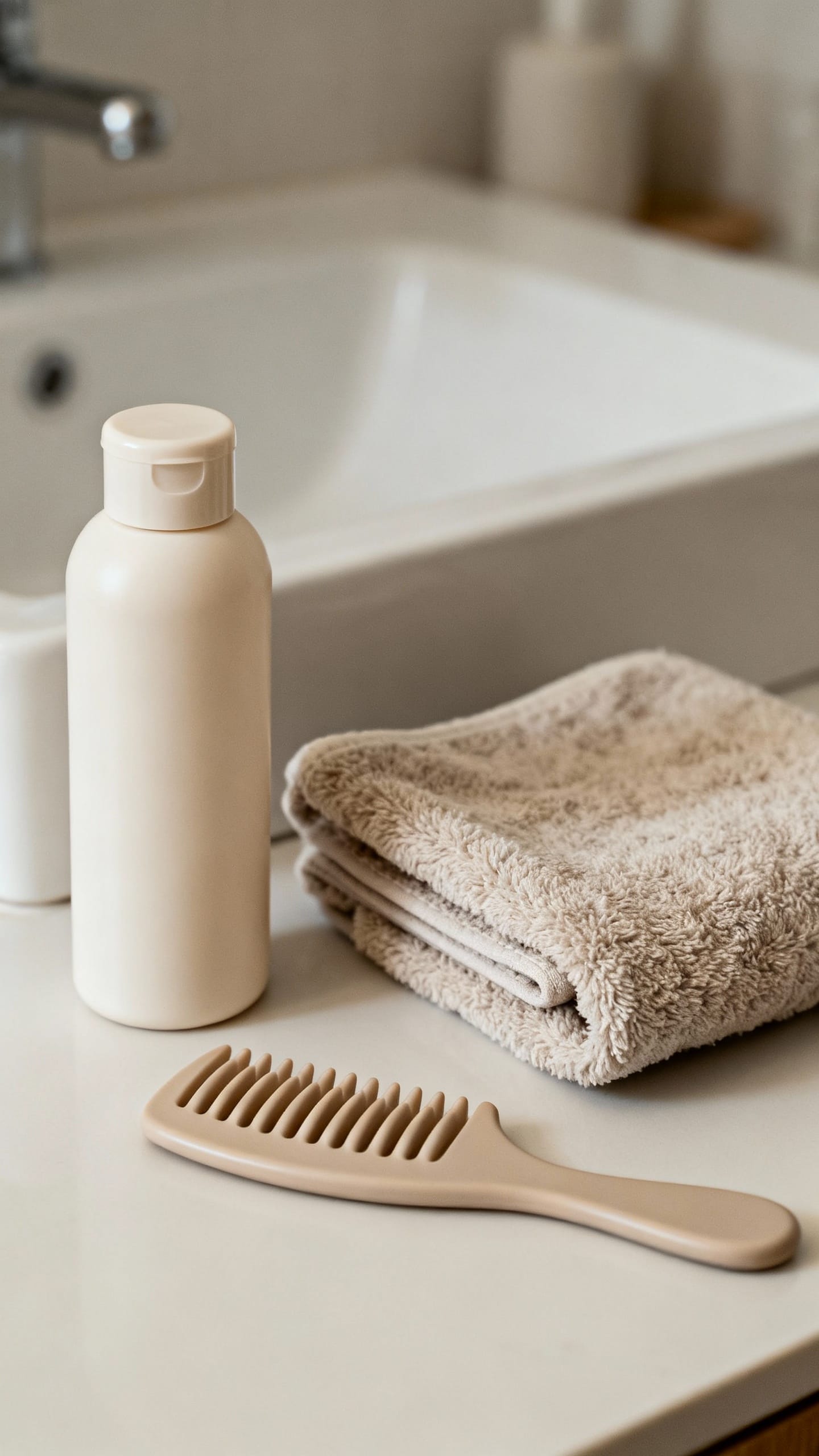
- Gentle handling: Detangle from ends up with a wide-tooth comb. Microfiber towel > rough cotton.
- Style smart: Alternate part lines, avoid daily tight buns, and pick silk/satin pillowcases to cut friction.
- Sun and swim care: UV and chlorine wreck cuticles. Use leave-in with UV filters and rinse post-swim.
When to see a dermatologist
Go sooner rather than later if:
- Rapid thinning over weeks or visible scalp patches.
- Itching, burning, flaking or signs of scalp inflammation.
- Family history of early pattern hair loss and you’re starting to notice changes.
- New meds plus sudden shedding.
Ask for labs: CBC, ferritin, iron/TIBC, vitamin D, TSH/free T4, B12, zinc.
Bring photos for a timeline. FYI, early treatment preserves more follicles.
Common mistakes that sabotage progress
- Stopping treatments too soon: Most options need 3–6 months before you judge results.
- Over-supplementing: Too much vitamin A, selenium, or zinc can increase shedding.
- Over-washing or never washing: Both extremes can irritate your scalp. Find your middle.
- Chasing trends: Onion juice, rice water, and rosemary oil won’t beat minoxidil or finasteride.
Sorry, internet.
FAQs
Will hair oils stop hair fall?
They can reduce breakage by lubricating the hair shaft, but they don’t fix genetic or hormonal loss. If you like oiling, choose lightweight options (argan, squalane) and keep them off the scalp if you’re acne-prone.
Is rosemary oil as effective as minoxidil?
A small study suggested comparable results to 2% minoxidil, but data is limited and mixed. Minoxidil has decades of strong evidence.
Use rosemary as a nice-to-have, not a replacement.
Can I regrow a receding hairline?
Sometimes. Early intervention with minoxidil plus finasteride/dutasteride (for men) or topical/oral minoxidil and antiandrogens (for women under medical care) works best. Long-standing slick bald areas often won’t fully return without a hair transplant.
Does dandruff cause hair loss?
Dandruff doesn’t directly cause permanent loss, but inflammation and scratching can increase shedding.
Use ketoconazole or zinc pyrithione shampoo 2–3x/week to calm it down.
How long until I see results?
Shedding often improves in 6–12 weeks; visible density changes take 3–6 months. Full evaluation at 12 months is fair. Take monthly photos in the same lighting.
Be patient. Annoying, but true.
Should I use oral minoxidil?
Low-dose oral minoxidil can work well, especially if topicals irritate you. It’s off-label and needs a clinician to weigh risks like fluid retention, palpitations, or unwanted body hair.
Start low, monitor, adjust.
The bottom line
You don’t need twenty serums and a prayer. Identify the cause, then pick evidence-backed treatments and stick with them. For many people, that’s minoxidil, nutrient checkups, gentler styling, and stress control. Add DHT blockers or PRP for pattern loss.
Track progress, stay consistent, and give it time. IMO, boring routines win—and your drain will finally catch a break.