


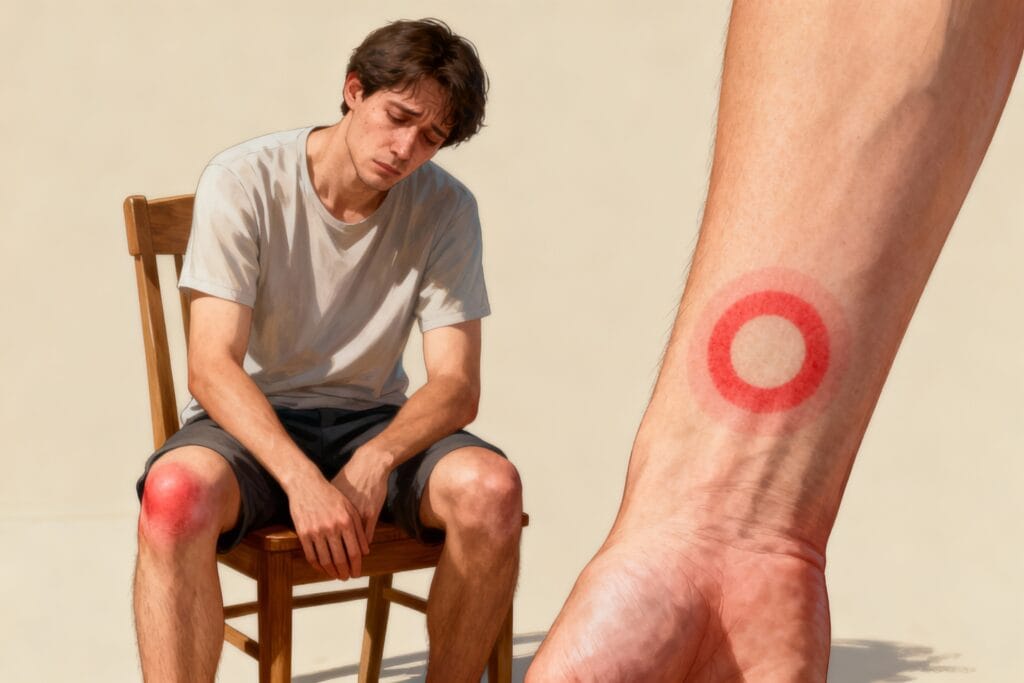
You went hiking, or maybe you just took the dog out, and now you’ve got a weird rash or you feel like the flu came in through a side door. Don’t shrug it off. Early Lyme disease loves subtlety—and delay helps it dig in.
Catch it fast, and you bounce back. Miss the signs, and you may face weeks (or months) of annoying symptoms you didn’t ask for.
The Classic Sign: The Rash (But It’s Not Always a Bullseye)
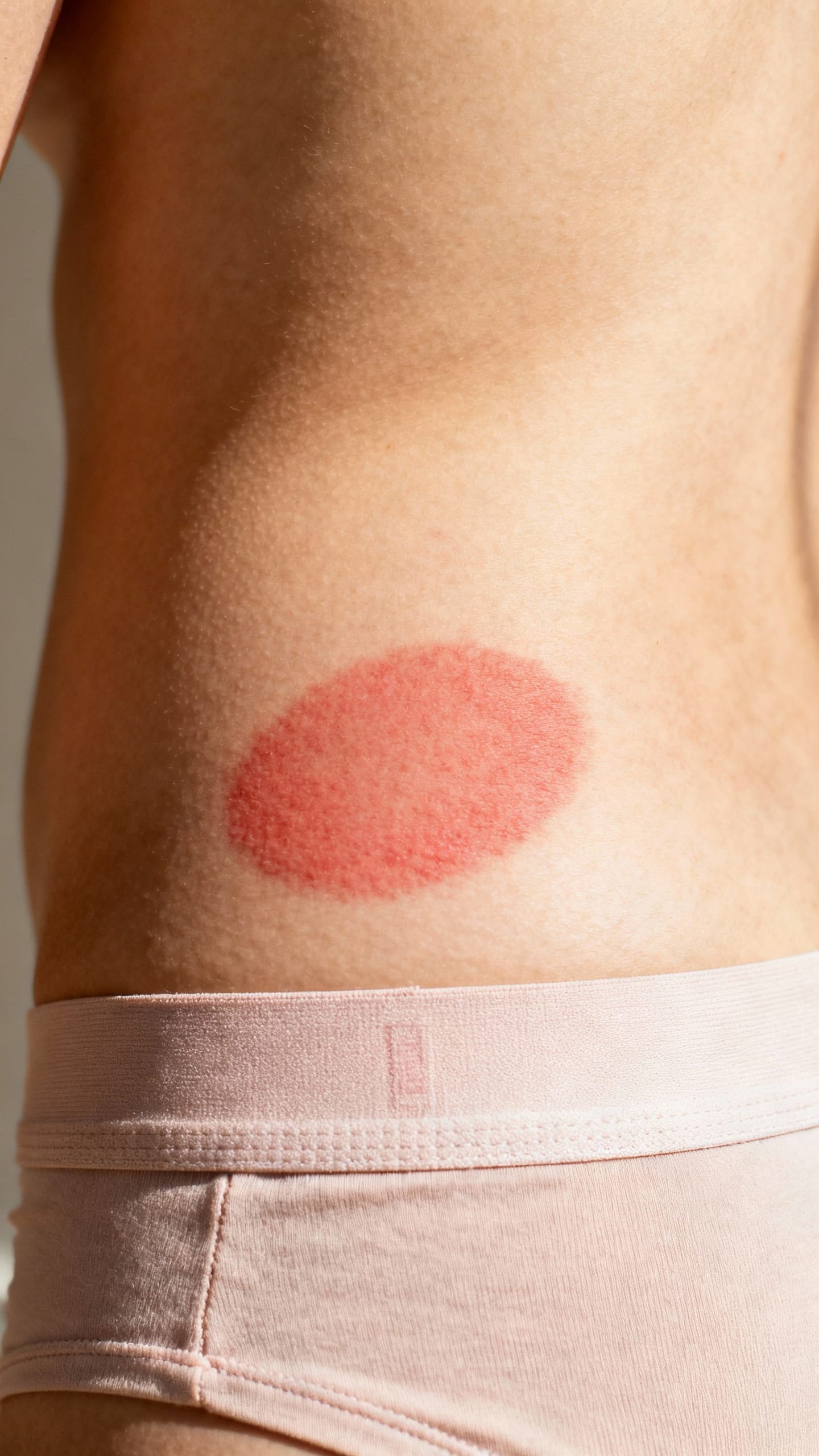
Let’s start with the headline symptom: the rash. Everyone pictures the perfect bullseye—red ring, clear center, looks like a target.
Sometimes you get that. But up to 30% of people never see a bullseye. The rash usually:
- Shows up 3–30 days after a tick bite (often around days 7–14)
- Expands over days and can get pretty big (bigger than a quarter, sometimes several inches)
- Feels warm but usually doesn’t itch much or hurt
What If It Doesn’t Look Like a Target?
You might see a solid red patch, or a slightly blotchy oval. It often shows up in sneaky areas: waistband, behind knees, armpits, scalp, back. If a red patch grows over a few days, call your clinician.
IMO, take pictures daily to track size—super helpful for doctors.
Rash vs. Local Reaction
A simple tick-bite reaction:
- Appears within 24–48 hours
- Stays small (dime to nickel size)
- Fades in a day or two
Lyme rash:
- Appears later (days to weeks)
- Grows and keeps expanding
- Hangs around
When in doubt, don’t wait. FYI, you can have Lyme without remembering a tick bite.
They’re tiny ninjas.
The “Flu” That Shows Up in July
If you feel flu-ish in summer or early fall, your spidey-sense should tingle. Early Lyme often mimics a mild flu:
- Fatigue that feels disproportionate to your day
- Low-grade fever or chills
- Headache, sometimes pounding
- Neck stiffness (like you slept on a brick)
- Muscle and joint aches that move around
No cough, no sore throat, no runny nose? That combo should make you raise an eyebrow.
Why This Matters
Early treatment shuts this down fast.
If you wait because “it’s just a bug,” you can slide into later-stage symptoms that take longer to resolve. Not fun.
Early Nerve and Face Symptoms (Don’t Ignore These)
Lyme doesn’t just hang out in the skin. It can tap the nervous system early and cause:
- Facial palsy (one-sided facial droop, trouble closing an eye)
- Shooting nerve pains or numbness
- Severe headache with neck stiffness
Facial palsy freaks people out—and it should. Get urgent care the same day.
With antibiotics, most people recover well. Without them, you gamble with longer recovery.
Joint Pain That Wanders Around
Lyme joint pain likes to travel. One day your knee aches; the next day it’s your wrist.
It comes and goes, and it often feels deep and achy. Early on, joints may hurt more than they swell. Later, the knee can balloon like it’s auditioning for a drama series.
How This Differs From Workout Soreness
Post-gym pain:
- Targets the muscles you worked
- Improves with movement and time
- Feels better by day 2–3
Lyme aches:
- Don’t care about your workout routine
- Shift locations unpredictably
- Stick around or cycle
Early Heart Clues: Palpitations and Lightheadedness
Rare, but important. Lyme can irritate the heart’s electrical system. Signs include:
- Heart racing or skipping beats
- Chest discomfort
- Shortness of breath, especially with exertion
- Lightheadedness or fainting
If that hits and you had a rash or recent tick exposure, go to urgent care or the ER.
Don’t Google-diagnose while lying down. Your heart deserves better.
So You Found a Tick. Now What?
Staying calm beats panicking every time.
Do this:
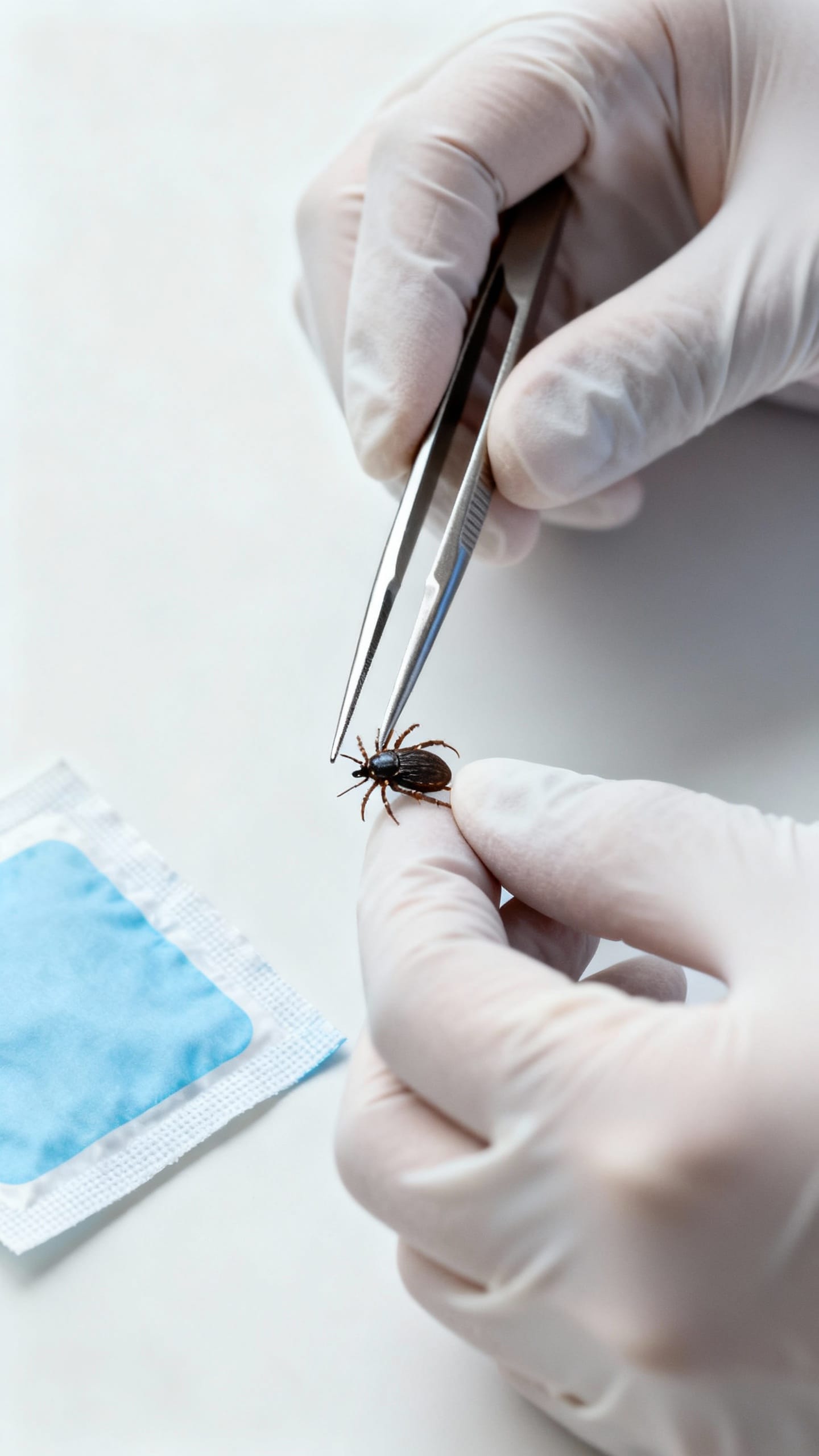
- Remove it correctly: Fine-tipped tweezers, grab close to the skin, pull straight up steadily. No oils, matches, or weird hacks.
- Clean the site: Soap and water or alcohol.
- Note the time and date. Take a quick photo of the tick if possible.
- Watch for symptoms for 30 days: rash, fever, fatigue, aches.
When to Ask About a One-Time Preventive Antibiotic
Call your clinician within 72 hours if:
- The tick was likely a blacklegged (deer) tick
- It was attached for 36+ hours (engorged/body swollen is a clue)
- You live in or visited an area where Lyme is common
They may prescribe a single dose of doxycycline.
Quick, simple, and often worth it.
Testing: Helpful, But Timing Matters
Here’s the tricky part. Early on, your blood tests can be negative because your body hasn’t made enough antibodies yet. Frustrating?
Yes. Uncommon? No.
- Classic expanding rash = treat now, even if tests are negative.
- Without a rash, doctors often order a two-step test and may repeat in a few weeks.
- Don’t self-order random tests from sketchy websites.
Results can confuse more than clarify.
IMO, a good clinician who listens beats any algorithm.
What Treatment Looks Like
Most early Lyme cases respond well to:
- Doxycycline for 10–14 days (adults and many kids), or
- Alternatives like amoxicillin, depending on age/pregnancy/allergies
You should feel better within days, though fatigue can lag. Finish the full course. No victory laps at day five.
Prevention: Boring, Effective, Worth It
You can cut your risk a lot with a few habits:
- Use repellent with DEET, picaridin, or oil of lemon eucalyptus
- Treat clothes with permethrin (game-changer for hikers)
- Do tick checks after outdoor time: scalp, ears, waistband, knees, ankles
- Shower within two hours of coming inside
- Tumble-dry clothes on high heat for 10 minutes (ticks hate saunas)
And yes, check the dog.
Dogs bring gifts you don’t want.
FAQ
Do all ticks carry Lyme disease?
No. Only blacklegged ticks (deer ticks) transmit Lyme in most regions, and not every one of them carries the bacteria. Risk changes by location.
If you’re in the Northeast, Mid-Atlantic, upper Midwest, or parts of the West Coast, stay extra alert.
How soon after a tick bite can I get symptoms?
Most early symptoms pop up within 3–30 days. The rash often appears in the first two weeks. Flu-like symptoms can trail along with or without the rash.
If you hit week two and feel off, pay attention.
Can Lyme spread if I remove the tick quickly?
The longer the tick feeds, the higher the risk. Transmission typically requires many hours, often over a day. Early removal cuts risk significantly. That’s why daily tick checks matter.
Should I save the tick for testing?
You can, but it’s not essential.
Tick testing doesn’t replace watching yourself for symptoms, and it won’t tell you definitively whether you’ll get sick. If you do keep it, store it in a sealed bag in the freezer. Still, your symptoms guide treatment decisions.
What if my test is negative but I have a classic rash?
Treat anyway.
A classic expanding Lyme rash is enough for diagnosis early on. Antibody tests lag behind symptoms, so a negative test in the first week doesn’t rule it out.
Can Lyme cause long-term issues?
Yes, especially if untreated. Some people have lingering fatigue or aches after treatment, but most improve over time.
Early treatment dramatically lowers the chance of complications. Translation: act fast.
Bottom Line
If you spot a growing rash, feel flu-ish in summer, or develop weird nerve or joint symptoms after outdoor time, don’t wait. Call your clinician and get checked. Early Lyme responds well to antibiotics, and you’ll save yourself a ton of hassle by acting quickly.
Keep the bug spray handy, do the tick checks, and enjoy the outdoors without the drama. FYI: knowledge beats mosquitoes and ticks—well, most days.