


Crow’s feet tell great stories—laughs, sunny vacations, late-night Netflix marathons. But if you’d like those tiny lines to look a little softer, you’re in good company. The right eye cream can smooth, hydrate, and brighten without irritating your delicate under-eyes.
Let’s skip the fluff and get into dermatologist-approved picks that actually pull their weight.
What Actually Causes Crow’s Feet?
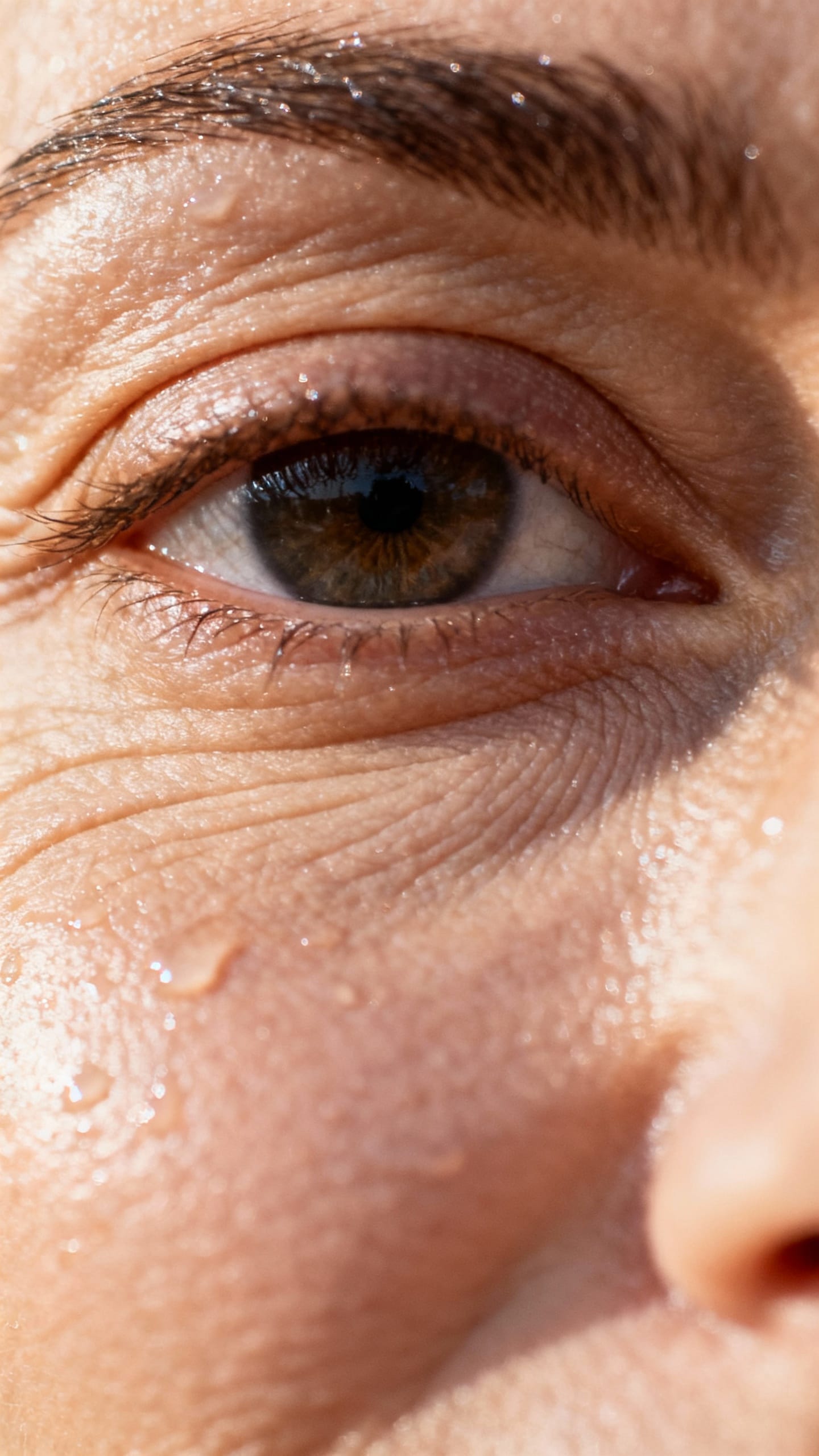
Crow’s feet come from a combo of things: repeated muscle movement (hi, squinting), natural collagen loss, UV exposure, and dehydration. Your eye area has thinner skin and fewer oil glands, so it shows wear faster. Good news?
You can target all of that with smart ingredients and consistent use.
Key Ingredients Derms Love (and Why They Work)
Not all eye creams do the same job. Look for these heavy hitters:
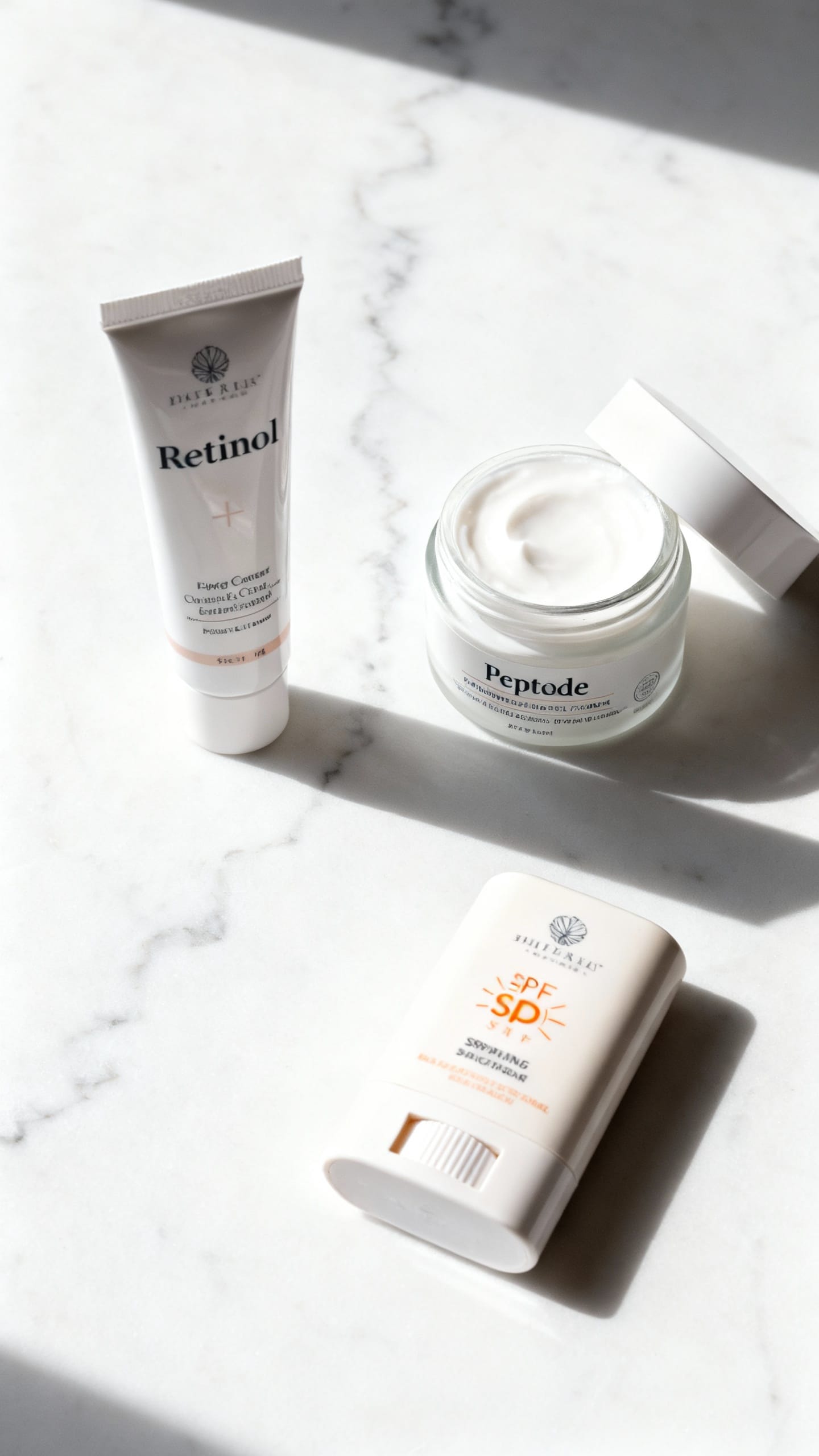
- Retinoids (retinol, retinaldehyde, adapalene): Boost collagen, speed cell turnover, smooth texture. Start low and slow to avoid irritation.
- Peptides: Signal your skin to make more collagen and elastin.
Great for sensitive types who can’t do retinoids nightly.
- Hyaluronic acid & glycerin: Pull in water and plump fine lines instantly. Hydration = softer lines.
- Niacinamide: Calms, brightens, and improves barrier function. Plays well with others.
- Antioxidants (vitamin C, ferulic acid, green tea): Protect against UV and pollution damage that fast-track wrinkles.
- Caffeine: Depuffs and tightens temporarily.
Think quick fix, not a miracle.
- Sunscreen: The unsexy MVP. You won’t out-cream UV damage. Use daily.
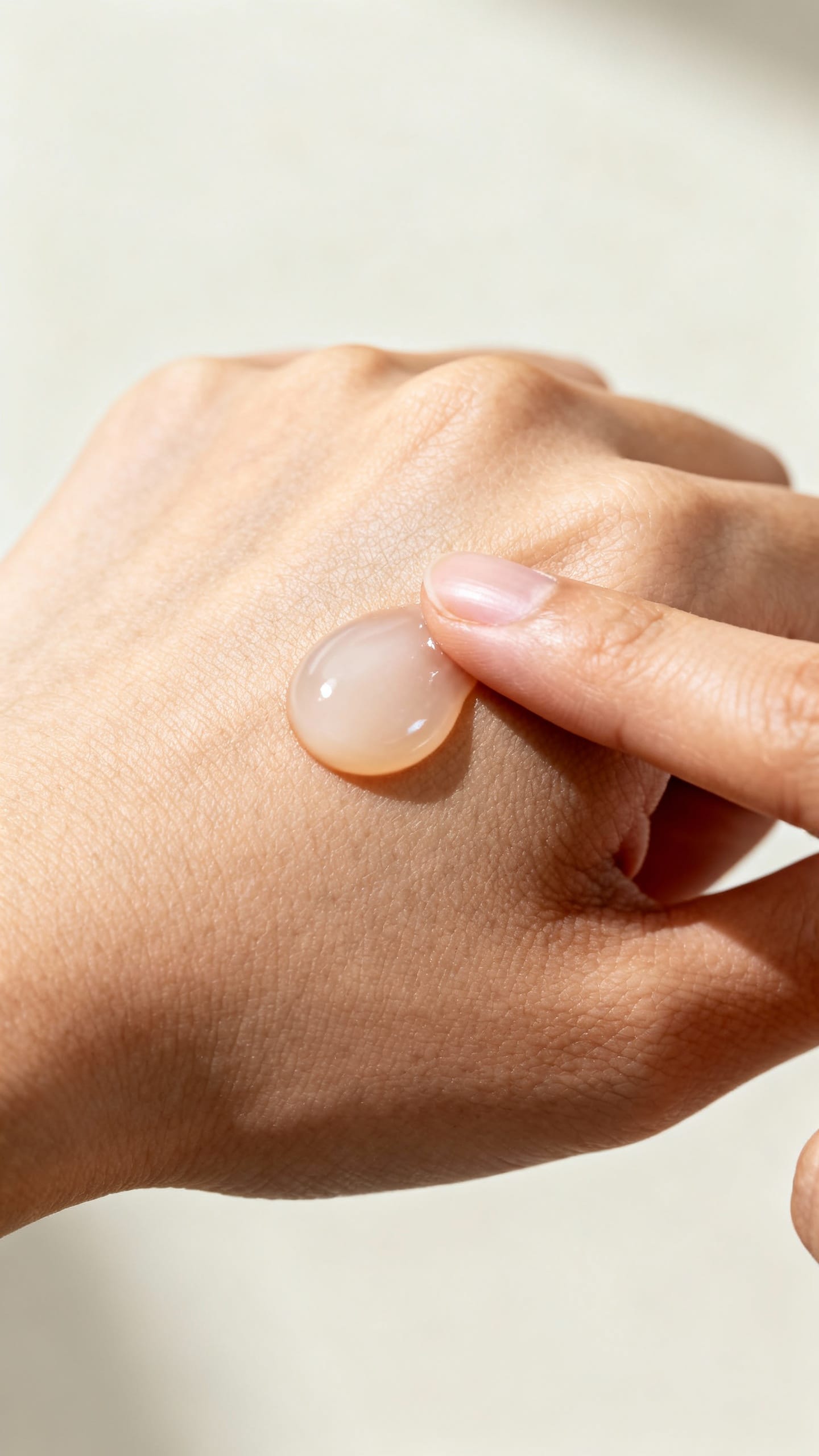
Dermatologist-Approved Eye Creams for Crow’s Feet
These picks show up in derm offices and patient routines again and again.
IMO, they balance results with tolerability.
Best Overall for Most Skin Types
SkinCeuticals A.G.E. Eye Complex Why it works: Peptides + proxylane + blueberry extract target crepiness and fine lines while hydrating. It layers well under makeup and doesn’t pill.
Pricey, yes, but a little goes far.
Best Retinol Eye Cream (Beginner-Friendly)
La Roche-Posay Redermic R Eyes Why it works: Gentle retinol plus caffeine for firming and brightening. You get collagen support without a day-two meltdown. Start 2-3 nights per week.
Best for Sensitive or Retinoid-Intolerant Skin
Olay Regenerist Retinol 24 Night Eye Cream (Fragrance-Free) Why it works: Stable retinoid complex with niacinamide in a cushy base.
It feels like a moisturizer, not a treatment, and plays nice with sensitive eyes.
Best for Instant Plumping
Neutrogena Hydro Boost Hyaluronic Acid Eye Gel-Cream Why it works: Hyaluronic acid floods skin with moisture and softens fine lines on contact. It’s a great daytime hydrator and perfect under concealer.
Best Peptide-Powered Option
The Inkey List Caffeine Eye Cream (with peptides) Why it works: Caffeine depuffs while peptides support firmness over time. Budget-friendly and surprisingly effective for AM use.
Best Antioxidant Brightening
SkinBetter Science InterFuse Treatment Eye Why it works: Peptides, vitamin C derivatives, and humectants tackle texture and tone.
Dermatologists love this one for visible smoothing without irritation.
Best Prescription-Level Route (Ask Your Derm)
Tretinoin 0.025% or 0.05% (off-label around the eyes) Why it works: The gold standard for collagen. Use a grain-of-rice amount, buffer with moisturizer, and proceed carefully. FYI: You need a script and patience.
How to Use Eye Cream So It Actually Works
Technique matters more than TikTok trends.
Here’s your playbook:
- Cleanse gently: No stripping. Pat dry.
- Apply a pea-sized amount total: Tap onto orbital bone (under-eye and outer corners). Avoid the lash line, especially with retinoids.
- Moisturize: Lock it in with a simple, fragrance-free moisturizer if needed.
- SPF every morning: Use a broad-spectrum SPF 30+ and bring it up to the edges.
Consider mineral for sensitive eyes.
- Go slow with actives: Retinoids 2-3 nights weekly, then build up. Alternate with peptide or hydrating nights.
Pro Tips to Avoid Irritation
- Buffer retinoids with moisturizer before and after if you run sensitive.
- Skip exfoliating acids the same night as retinoids around the eyes.
- Introduce one active at a time so you can spot the culprit if redness hits.
When Eye Cream Helps vs. When It’s Hype
Eye creams can do a lot, but they can’t do everything.
You’ll see the best change in fine lines, dehydration lines, mild crepiness, and darkness from thin skin. Think smoother makeup, softer texture, and a brighter look. For deep-set crow’s feet from muscle movement, topical products help—but not like injectables. Botox or similar neuromodulators relax the underlying muscles and deliver the most dramatic smoothing.
Combine them with a good routine for the MVP duo.
Build a Simple, Effective Eye Routine
No need for a 12-step saga. Keep it tight and consistent.
AM Routine
- Hydrating eye cream (hyaluronic acid or peptides)
- Antioxidant serum nearby (vitamin C on the face, not too close to lash line if you’re sensitive)
- SPF 30+ (mineral if eyes sting easily)
- Optional: Caffeine eye cream for de-puffing
PM Routine
- Gentle cleanse
- Retinol/retinal eye cream 2-4 nights per week
- Peptide or hydrating eye cream on alternate nights
- Rich moisturizer if you’re dry
How Long Until You See Results?
Let’s set expectations so no one rage-returns their eye cream after five days. Hydration and plumping show up in minutes to hours.
Brightening and texture changes take 4-8 weeks. Collagen-related improvements from retinoids and peptides take 8-12+ weeks. Consistency beats intensity—IMO it’s better to stick with a gentle product nightly than a strong one twice then quit.
FAQs
Do I really need a separate eye cream?
Not always.
If your face moisturizer uses gentle actives and doesn’t burn around your eyes, you can take it up. That said, dedicated eye formulas often include eye-safe concentrations, smoother textures for makeup, and extras like caffeine or light-diffusing pigments—handy if you run sensitive or want targeted results.
Can I use a retinol face serum around my eyes?
Yes, with caution. Use a rice-grain amount, keep it to the orbital bone, and buffer with moisturizer.
If you feel stingy or flaky, switch to an eye-specific retinol or a peptide formula for a while.
What about milia—will eye cream cause those?
Heavy, occlusive creams can contribute, especially if you pile on too much. Choose lightweight gels or creams if you’re milia-prone, and avoid slathering product on the mobile lid. Regular, gentle cleansing helps too.
Do peptides actually work or is that marketing?
Peptides won’t replace Botox, but they support collagen production and skin repair, particularly with consistent use.
Look for formulas that list them near the top of the ingredient list and pair them with hydrators and antioxidants.
Is sunscreen around the eyes safe?
Absolutely. Mineral formulas with zinc oxide or titanium dioxide usually sting less. Use a tiny amount, blend carefully, and try stick formats for precision.
Bonus: sunglasses and hats do serious heavy lifting for crow’s feet prevention.
What if my concealer creases more with eye cream?
Use less and give it a minute to sink in. Choose gel-cream textures and blot excess before makeup. A hydrating primer or a thin layer of translucent powder can help lock things down.
The Bottom Line
You can’t stop time, but you can help your eye area look smoother, brighter, and more awake.
Build your routine around retinoids or peptides at night, hydrators by day, and daily SPF. Pick one great product, use it consistently, and give it 8-12 weeks. And hey—keep smiling.
We’re softening crow’s feet, not erasing your joy.