


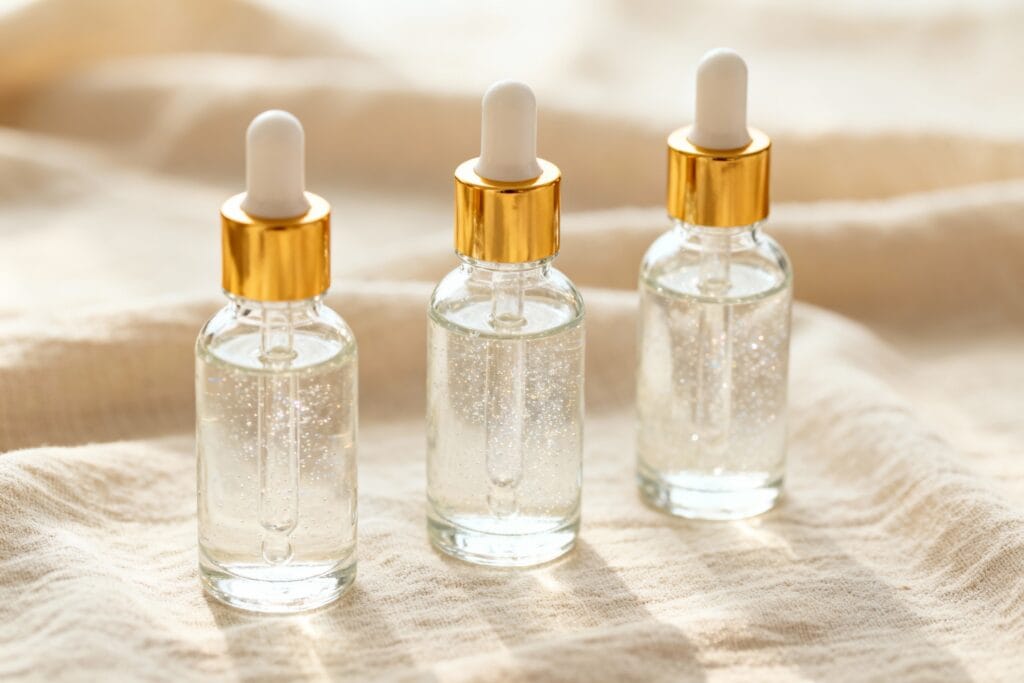
You want smoother skin, tighter bounce, and that “did you sleep 10 hours?” glow. Serums can do the heavy lifting—if you pick the right ones and actually use them. Let’s cut through the fluff and talk about the best anti-aging serums that tackle fine lines, firmness, and radiance without draining your sanity (or your bank account).
Why Serums Work (And Creams Sometimes Don’t)
Serums use smaller molecules and higher concentrations, so they penetrate faster and deeper.
Translation: you see changes quicker. Creams help seal and support, but serums bring the actives that do the heavy lifting. Think of it like this: serum = treatment, moisturizer = comfort.
Use both and your skin will thank you with fewer lines and more glow.
The Power Players: Ingredients That Actually Deliver
You don’t need 20 steps. You need the right actives. Here’s your cheat sheet.
- Retinoids (Retinol, Retinal, Granactive Retinoid): Stimulate collagen, smooth lines, improve texture.
Start slow to avoid the tomato-face phase.
- Vitamin C (L-ascorbic acid or stable derivatives): Brightens, evens tone, boosts collagen, fights free radicals. Also makes sunscreen work harder—team players only.
- Peptides: Signal the skin to make more collagen and elastin. Gentle, great for daily use, plays well with others.
- Niacinamide: Calms redness, refines pores, strengthens the barrier, and supports radiance.
Basically the friend who helps everyone get along.
- Hyaluronic Acid (and polyglutamic acid): Hydration magnets that plump fine lines temporarily and make everything look smoother.
- AHAs/BHAs (Glycolic, Lactic, Salicylic): Exfoliate for glow and smooth texture. Keep these moderate when using retinoids.
- Growth Factors and EGF: Support repair and plumpness. Pricey, but effective in the right formulas.
Smart Combinations
- AM: Vitamin C + Niacinamide + Hyaluronic Acid
- PM: Retinoid + Peptides + Hydration
- 1–3x/week: AHA for extra glow (skip on retinoid nights if you’re sensitive)

Best Serums for Fine Lines
You want smoother texture and fewer little creases.
These formulas bring receipts.
- Retinal Serums: Look for retinaldehyde at 0.05–0.1%. It works faster than retinol but feels friendlier than prescription tretinoin.
- Encapsulated Retinol 0.3–1%: Time-released, less irritation, steady results. Start 2–3 nights a week.
- Peptide Cocktails: Palmitoyl tripeptides, copper peptides, or Matrixyl help with fine line softening without the drama.
- Lactic Acid Serums (5–10%): Gentle resurfacing plus hydration for that baby-skin vibe.
Application Tips
- Apply a pea-size retinoid to dry skin after cleansing.
- Buffer with moisturizer if you tingle—sandwich method works.
- Stick with a formula for 8–12 weeks before judging.
Collagen is not Amazon Prime.
Best Serums for Firmness
Firmness = collagen + elastin + hydration. It’s not magic; it’s consistency.
- Retinoids: Still king. Collagen stimulation is their thing.
- Peptide + Growth Factor Blends: Great add-on to retinoids to support repair and bounce.
- Niacinamide (4–10%): Supports barrier and elasticity so skin looks springy instead of crinkly.
- Antioxidant Serums: C, E, and Ferulic together help protect existing collagen from breaking down.
Pro Moves for Lifted Look
- Use a hyaluronic acid serum on damp skin under your moisturizer to plump lines instantly.
- Layer peptides in the morning and retinoids at night for steady firming.
- Consider EGF or growth factor serums if you’re over 35 and want to invest.
IMO, they help with texture and bounce.
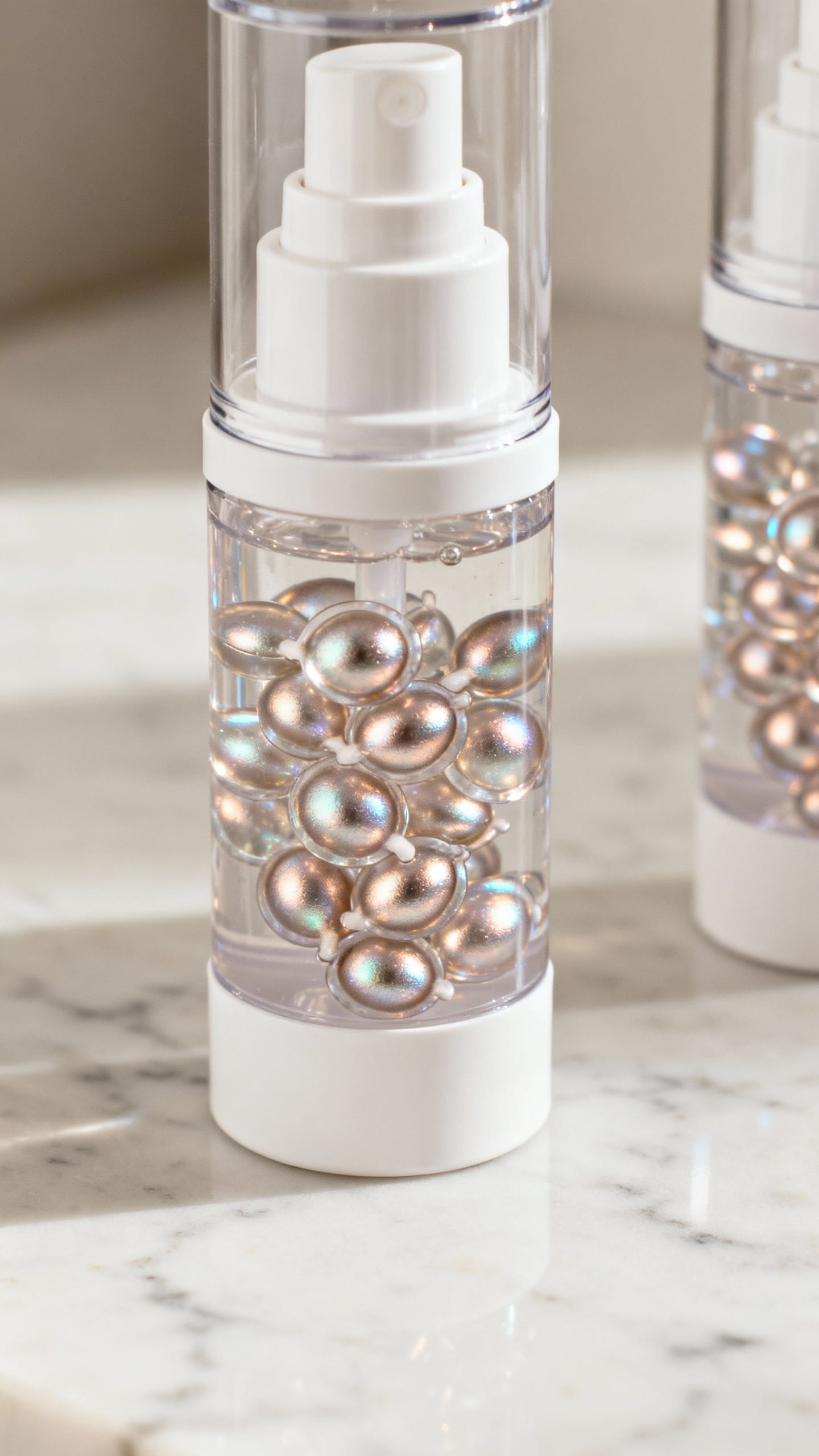
Best Serums for Radiance
Dullness makes everything look older. Radiance serums flip the lights back on.
- Vitamin C (10–20% L-ascorbic acid): Brightens and evens tone. Choose formulas with ferulic acid and vitamin E for extra stability and glow.
- Niacinamide (5% sweet spot): Brightens without irritation and reduces blotchiness.
- Exfoliating Serums: Glycolic or lactic 5–10% a few nights a week for that glazed finish (no donuts required).
- Tranexamic Acid (2–5%): Targets stubborn uneven tone and lingering marks.
How to Avoid Irritation While Chasing Glow
- Alternate nights: acids one night, retinoid the next.
- Keep your barrier happy: ceramides and squalane are your ride-or-die.
- Always finish with sunscreen in the morning—glow fades fast without it.
Budget vs.
Splurge: Where to Spend
Not everything needs a fancy price tag. Some things do. Here’s the playbook.
- Save on: Niacinamide, hyaluronic acid, lactic acid.
Plenty of excellent affordable options.
- Spend on: Well-formulated vitamin C (stability matters), retinals/retinoids with encapsulation, and growth factor serums if you want that extra oomph.
- Packaging matters: Airless pumps and opaque bottles keep actives potent. If it turns orange-brown (vitamin C), it’s basically juice—toss it.
How to Build Your Simple Anti-Aging Serum Routine
You don’t need a 17-step routine. You need consistency.
Morning (AM)
- Cleanse (or rinse if not oily).
- Vitamin C serum (or niacinamide if sensitive).
- Hyaluronic acid if you want extra plumpness.
- Moisturizer.
- Sunscreen, SPF 30–50.
Non-negotiable. It’s the real anti-aging MVP, FYI.
Evening (PM)
- Cleanse.
- Retinoid serum 2–5 nights/week. On off nights, use peptides or a lactic acid serum (not together if you’re sensitive).
- Moisturizer with ceramides or squalane.
Weekly Extras
- 1–3x: Gentle AHA serum for extra glow.
- When dry: Add a barrier-repair serum with ceramides, cholesterol, and fatty acids.
Ingredient Matchmaking by Skin Type
Because your skin has opinions.
- Dry: Retinal + peptides + hyaluronic acid + ceramides.
Skip harsh acids; use lactic instead.
- Oily/Combo: Niacinamide + vitamin C derivative + lightweight retinol. Add salicylic acid if congestion crashes the party.
- Sensitive: Start with peptides and niacinamide. Introduce encapsulated retinol or retinal slowly (1–2 nights/week).
- Hyperpigmentation-prone: Vitamin C + niacinamide AM; retinoid + tranexamic acid PM (alternate nights).
Sunscreen or nothing else matters, IMO.
FAQs
Can I use vitamin C and retinol together?
You can, but most people prefer vitamin C in the morning and retinoids at night. That setup reduces irritation and leverages vitamin C’s daytime antioxidant protection. If your skin tolerates both in one routine, cool—but don’t force it.
How long until I see results from serums?
Hydration and glow can show up in days.
Fine line smoothing and firmness take 8–12 weeks of consistent use. Collagen remodeling takes time, not magic.
Do peptides actually work?
Yes—when well-formulated and used consistently. They support firmness and repair, especially alongside retinoids.
They won’t replace retinoids, but they make a great supporting cast.
What if retinol irritates my skin?
Try encapsulated formulas or switch to retinal at a lower strength. Apply on dry skin, buffer with moisturizer, and reduce frequency. You can also start with bakuchiol or peptides while you build tolerance.
Is hyaluronic acid just a temporary fix?
It plumps temporarily, but that immediate smoothing helps lines look softer and boosts comfort.
Pair it with collagen-stimulating ingredients (retinoids, vitamin C, peptides) for long-term gains.
Do I need different serums for neck and eyes?
Not necessarily. Many face serums work beautifully on the neck and around eyes if they don’t sting. If you’re sensitive, an eye-specific peptide or retinal serum can help.
Bottom Line
The best anti-aging serums don’t try to do everything; they do the right things.
Anchor your routine with vitamin C by day and a retinoid by night, then layer peptides, niacinamide, and hydration for support. Keep it simple, be consistent, wear sunscreen, and let time do its thing—because great skin is a habit, not a hunch.