


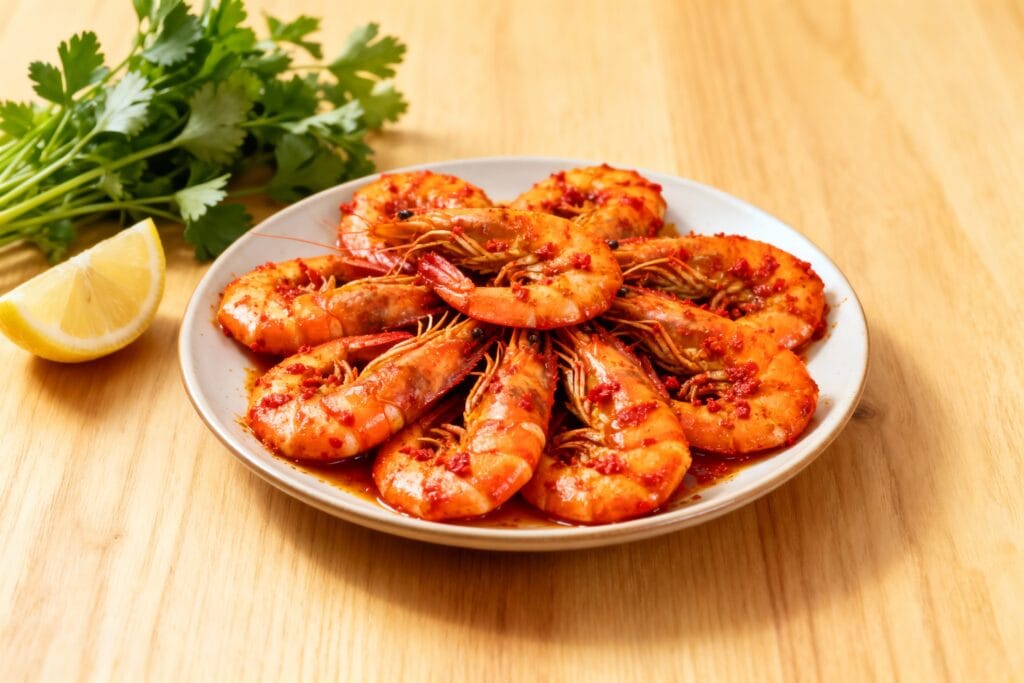
Shrimp that tastes like a party and fits your clean-eating goals? Yes, please. Cajun seasoning brings heat, shrimp brings lean protein, and together they deliver big flavor without wrecking your calories for the day.
You get dinner on the table fast, it feels indulgent, and your macros stay happy. That’s a win-win-win.
Why Cajun Shrimp Checks the “Clean Eating” Boxes
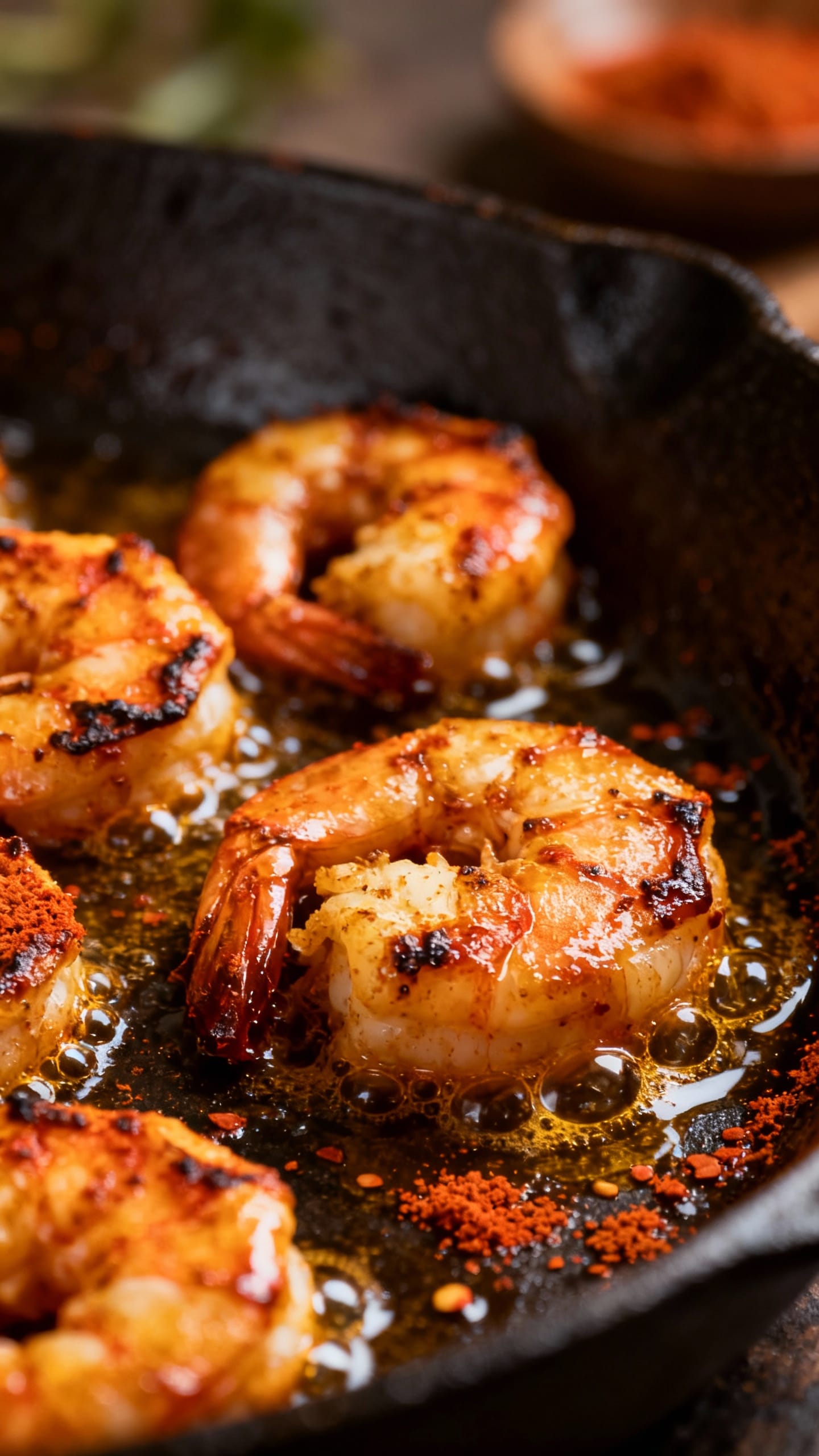
Cajun shrimp nails the trifecta: high protein, low calories, big flavor. Shrimp packs about 20–24 grams of protein per 100 grams for roughly 85–100 calories (depending on cooking method).
That’s a serious protein punch for not a lot of energy. Clean eating also means fewer ultra-processed ingredients. Shrimp + spices + a squeeze of lemon?
That’s as simple as it gets. You skip heavy sauces, still get a flavor bomb, and keep your ingredients list short enough to read in one breath.
The Nutrition Breakdown (Without the Snooze)
Shrimp isn’t just protein with a tan. It brings micronutrients that actually matter:
- Protein: Supports muscle repair, hunger control, and post-workout recovery.
- Selenium: Powerful antioxidant support in a tiny package.
- Vitamin B12: Energy metabolism and brain function.
Yes, your brain likes shrimp.
- Choline: Supports nerve function and liver health.
- Iodine: Helps your thyroid do its job properly.
FYI, shrimp contains cholesterol, but research shows dietary cholesterol impacts blood cholesterol less than we once thought. Focus more on overall dietary pattern and cooking method than panicking over a shrimp cocktail.
What Makes Cajun Seasoning So Good?
Cajun isn’t code for “set your mouth on fire.” It’s a balanced blend of warm spices and herbs. You can control the heat while keeping the flavor.
Classic Cajun Flavor Profile
- Paprika (often smoked): Sweet warmth and color
- Garlic and onion powder: Big savory punch
- Cayenne: Heat level: your call
- Black pepper: Zingy backbone
- Oregano + thyme: Earthy, herby balance
- Salt: Essential, but you control how much
Mix your own blend and you control sodium, heat, and additives.
That’s the clean-eating move, IMO.
Fast, Flexible, and Meal-Prep Friendly
Shrimp cooks in minutes. Overcook it and it turns rubbery, but hit that sweet spot and you get tender, juicy bites every time.
Quick-Cook Methods That Keep It Clean
- Stovetop sear: Toss with a little avocado or olive oil, sear 2–3 minutes per side.
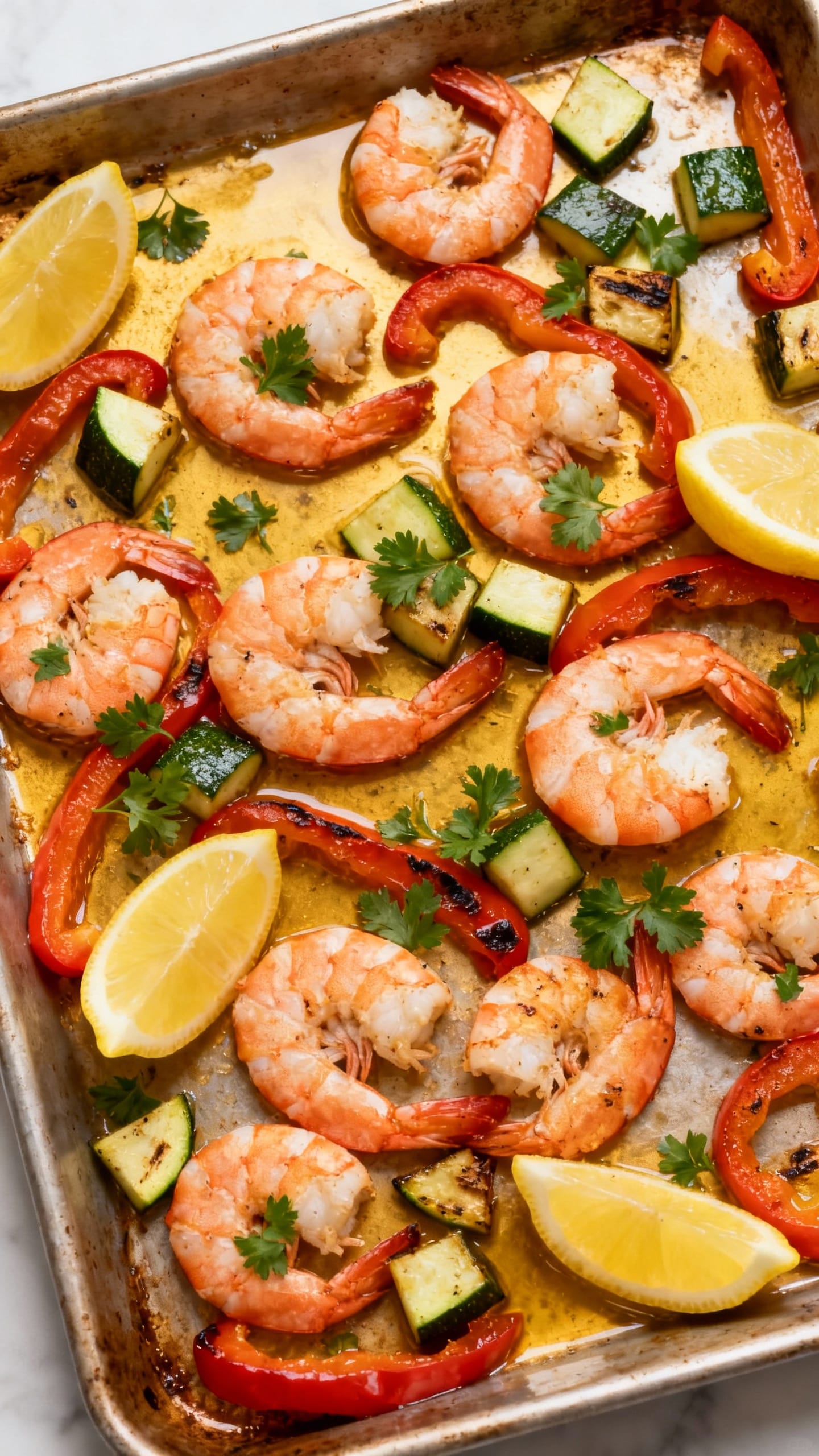
- Sheet pan: Roast at 425°F (220°C) for 6–8 minutes. Add veggies for a full meal.
- Air fryer: 400°F (205°C) for 5–6 minutes.
Crispy edges, minimal oil.
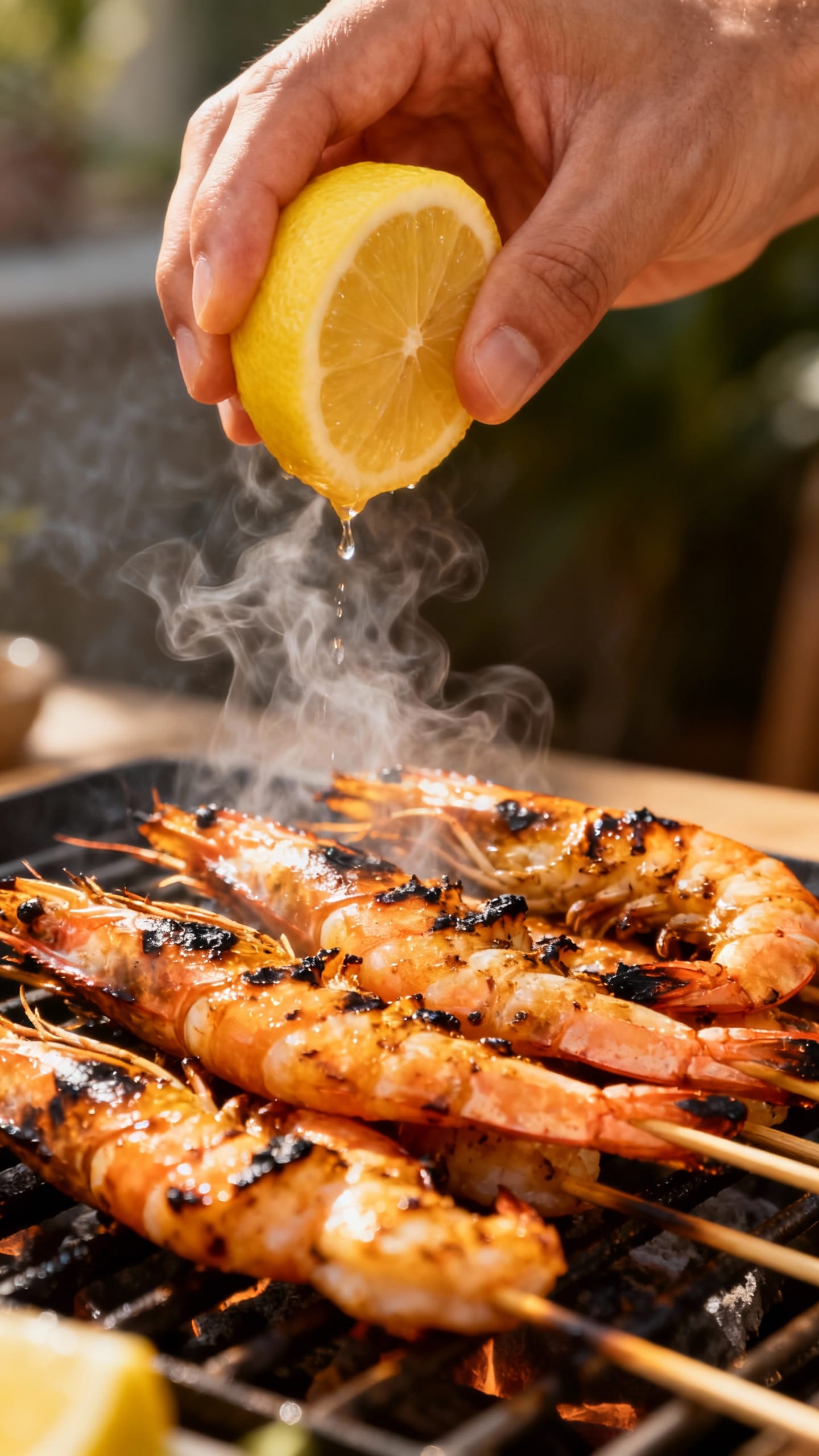
- Skewers: Grill for smoky flavor without extra calories.
Want versatility? Throw Cajun shrimp on salads, bowls, tacos, zucchini noodles, or eat straight out of the pan (no judgment).
How to Keep It Truly “Healthy”
The recipe can be a calorie hero or a calorie bomb. The difference?
Your cooking fat, sauces, and sides.
Smart Swaps
- Oil: Use 1–2 teaspoons per pound of shrimp. You need some for spice bloom and texture, not a puddle.
- Sauce: Skip heavy cream sauces. Try a squeeze of lemon, splash of hot sauce, or Greek yogurt–lime drizzle.
- Sides: Pair with roasted veggies, cauliflower rice, or a crisp slaw.
Save the buttery rice for a treat night.
- Sodium: Make your own Cajun blend to keep salt in check.
Pro tip: Pat shrimp dry before seasoning. Dry shrimp sear better and pick up spices more evenly.
A Simple Cajun Shrimp Game Plan
You don’t need a 40-step recipe. Here’s a weekday-friendly approach.
Ingredients (serves 2–3)
- 1 lb (450 g) raw shrimp, peeled and deveined
- 2 tsp olive or avocado oil
- 2–2.5 tsp Cajun seasoning (homemade or low-sodium store-bought)
- Lemon wedges, fresh parsley
Steps
- Pat shrimp dry.
Toss with oil and Cajun seasoning.
- Heat a large skillet over medium-high until hot. Add shrimp in a single layer.
- Cook 2 minutes, flip, cook 1–2 minutes more until just opaque.
- Finish with lemon juice and chopped parsley. Done.
Macros check: You’ll land roughly 20–24 g protein per 100 g shrimp with minimal added calories.
That’s clean-eating math that actually adds up.
Flavor Boosters That Don’t Torpedo Calories
You can stack flavor without stacking calories. Here’s how:
- Citrus: Lemon or lime brightens and balances the spice.
- Fresh herbs: Parsley, cilantro, or green onion for freshness.
- Veggies: Bell peppers, zucchini, cherry tomatoes, or asparagus in the same pan.
- Acid: Splash of apple cider vinegar for a tangy kick.
- Heat control: Add cayenne at the end for a sharper pop, or use smoked paprika for depth with less burn.
If you like creamy, stir a spoonful of Greek yogurt with lime zest and a pinch of Cajun spice. Creamy vibe, lean macros.
IMO, perfect.
Who Should Put Cajun Shrimp on Repeat?
Short answer: almost everyone who wants flavor and results. If you strength train, shrimp helps you hit protein targets without a heavy meal. If you cut calories, shrimp gives you volume and satisfaction.
If you eat gluten-free or low-carb, it fits without any weird substitutions.
Heads-Up for Specific Diets
- Keto/low-carb: Easy win. Pair with non-starchy veggies.
- Mediterranean-ish: Use olive oil, add veggies, and keep it balanced.
- Pescatarian: Obvious fit.
- Allergies: Shellfish allergic? Skip shrimp entirely and use chicken or tofu with Cajun seasoning.
FAQ
Is shrimp actually low calorie compared to chicken?
Yes.
Per 100 grams, plain cooked shrimp sits around 85–100 calories, while skinless chicken breast lands around 110–165 depending on cooking method. Both are lean, but shrimp edges out on calories, and it cooks faster. Choose based on texture and flavor mood.
How do I avoid rubbery shrimp?
Use high heat and short time.
Cook just until shrimp turn opaque and curl into a loose “C” shape. A tight “O” curl means you overcooked them. Also, start with dry shrimp and don’t overcrowd the pan.
Can I use frozen shrimp?
Absolutely.
Thaw overnight in the fridge or quickly under cold running water for 10–15 minutes. Pat dry really well before seasoning. Frozen shrimp are convenient, budget-friendly, and taste great when cooked right.
What if I’m watching sodium?
Make your own Cajun blend with more herbs and less salt.
Season the shrimp lightly, then finish with lemon to boost perceived saltiness without adding sodium. Also, check labels—some shrimp come pre-brined.
Does shrimp’s cholesterol make it a bad choice?
For most people, no. Dietary cholesterol doesn’t affect blood cholesterol as much as overall eating pattern, saturated fat intake, and genetics.
Focus on lean cooking methods and plenty of veggies alongside it.
Any easy sides that keep the meal light?
Try a cabbage slaw with lime, roasted broccoli, blistered green beans, or cauliflower rice with chopped cilantro. If you want carbs, go for quinoa or brown rice, but keep portions in check and let the shrimp stay the star.
Conclusion
Cajun shrimp gives you huge flavor, lean protein, and speed—all the things you want when you’re eating clean and still want dinner to taste like something. Keep the oil light, the spices bold, and the sides fresh, and you’ll have a meal you’ll actually crave.
Big taste, tiny calorie bill—sign me up.