


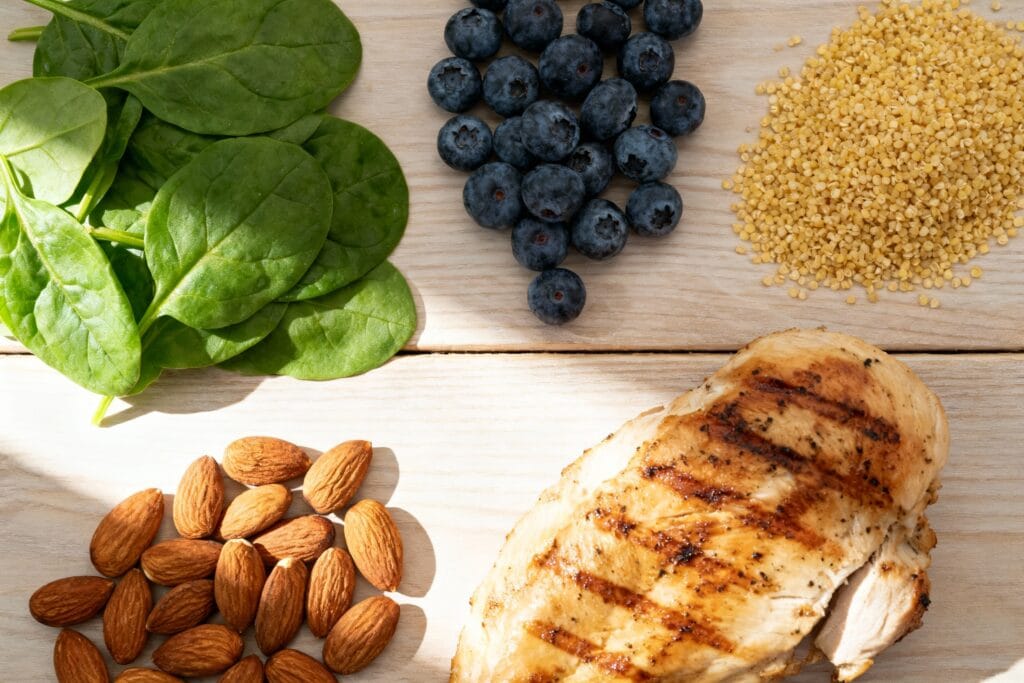
Insulin resistance doesn’t need a fad diet or a 30-day “detox.” It needs smart, tasty choices you can actually stick with. If your energy crashes after meals, your appetite feels chaotic, or your doctor dropped the “prediabetes” word, you’re in the right place. Let’s talk about everyday foods that steady blood sugar, support insulin, and still taste like real life.
What Exactly Is Insulin Resistance, Without the Jargon?
Insulin is your body’s “key” that unlocks cells so glucose can move from your blood into your muscles and liver.
With insulin resistance, cells stop listening. Your pancreas yells louder (makes more insulin), but blood sugar still lingers high, which leads to cravings, fatigue, and long-term risk for type 2 diabetes. The fix?
You don’t need perfection. You need meals that keep blood sugar calm and insulin efficient. That means focusing on fiber, protein, and healthy fats, and cutting back on ultra-processed, carb-heavy blasts.
The Plate Formula That Balances Blood Sugar
You don’t need a spreadsheet to eat well.
Use this simple plate formula for most meals:
- Half plate non-starchy veggies: leafy greens, broccoli, peppers, zucchini, mushrooms, cauliflower.
- Quarter plate protein: eggs, fish, chicken, tofu, Greek yogurt, cottage cheese, legumes.
- Quarter plate smart carbs: lentils, beans, quinoa, sweet potato, oats, berries, or brown rice (small portion).
- 1-2 tablespoons healthy fats: olive oil, avocado, nuts, seeds, tahini.
This combo slows digestion, blunts blood sugar spikes, and keeps you full. Bonus: it’s easy to adapt to any cuisine.
Build-a-Meal Examples
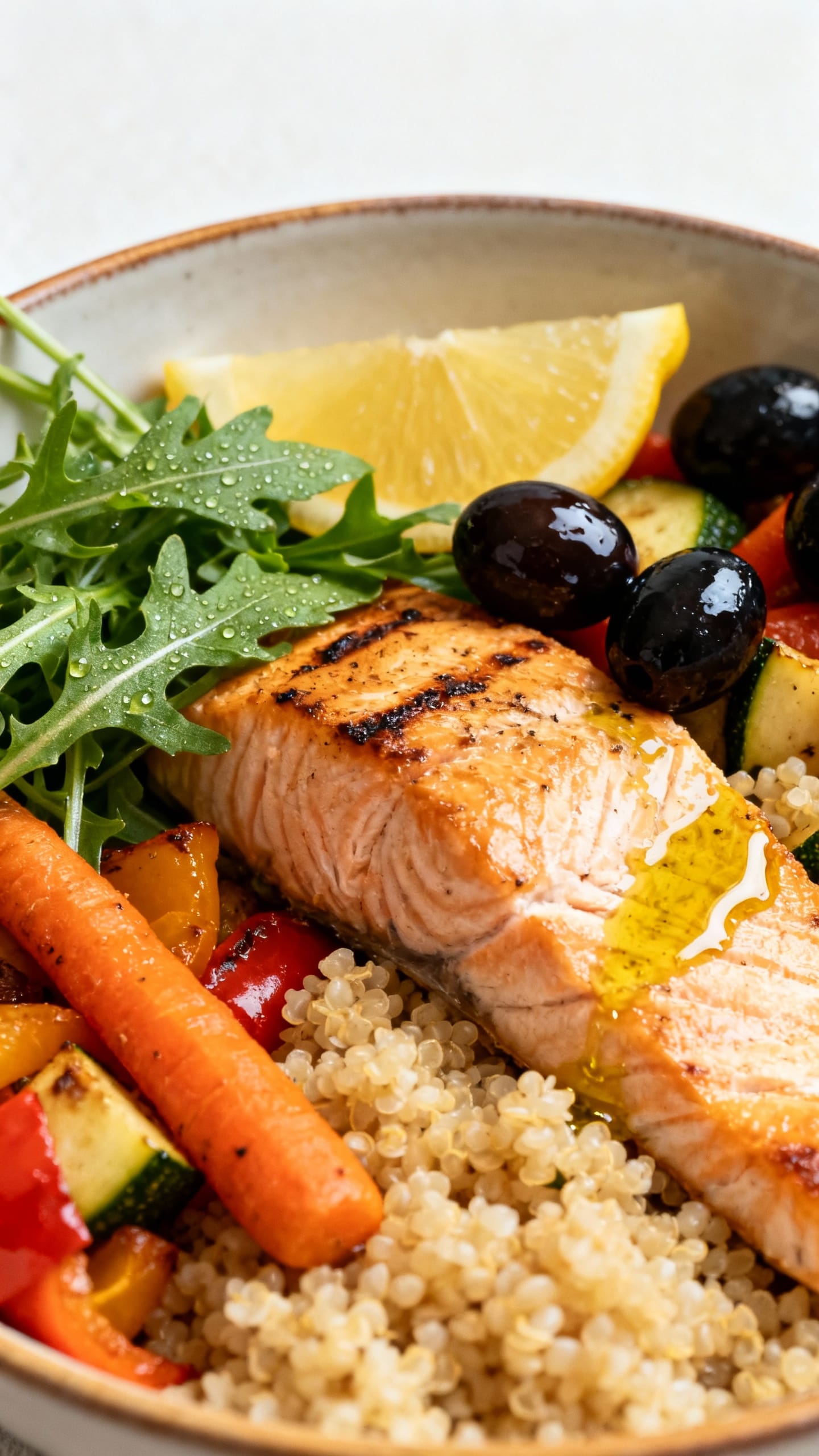
- Mediterranean bowl: salmon, quinoa, roasted veggies, olives, arugula, lemon-olive oil drizzle.
- Taco plate: ground turkey or black beans, fajita peppers/onions, avocado, salsa, a couple corn tortillas.
- Breakfast-for-dinner: veggie omelet, berries, and a spoon of almond butter.
Carbs: Friend, Foe, or Frenemy?
Carbs aren’t evil. But the type and timing matter a lot.
Aim for carbs that come with their own built-in brakes: fiber.
- Go for low-glycemic carbs: lentils, beans, chickpeas, oats, quinoa, berries, apples, pears, sweet potatoes.
- Limit fast carbs: white bread, pastries, juice, soda, candy, sugary cereals, and most chips.
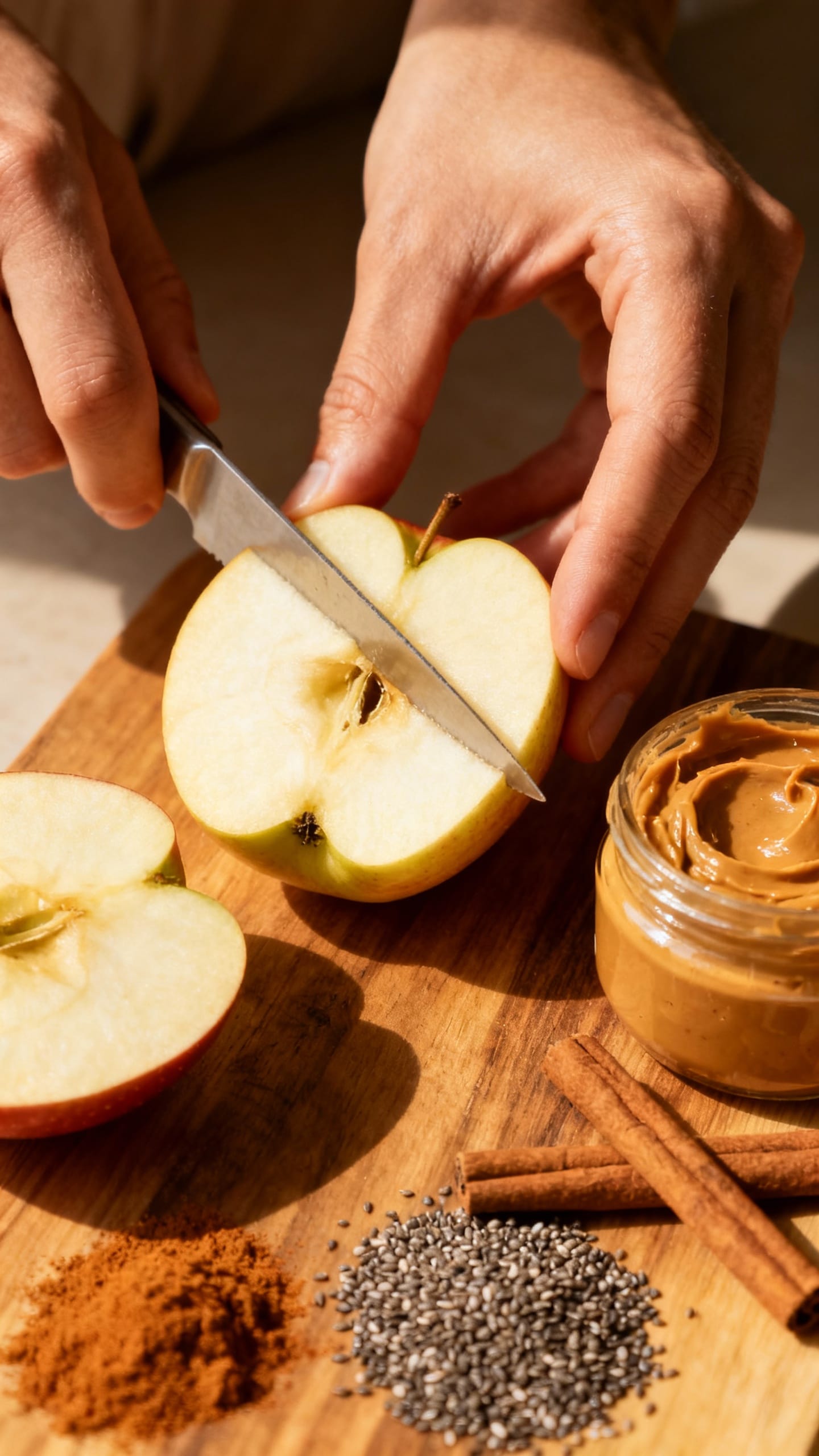
- Pair carbs with protein and fat: apple + peanut butter, oats + Greek yogurt, rice + chicken + veggies.
- Eat carbs later in the meal: start with veggies and protein so your glucose rise stays gentle. FYI, this works shockingly well.
Fiber Is Your Blood Sugar Bodyguard
Aim for 25–40 grams of fiber daily.
- Soluble fiber all-stars: oats, chia seeds, flaxseed, beans, lentils, psyllium husk.
- Veggie power: broccoli, Brussels sprouts, asparagus, leafy greens.
- Fruit with skin: apples, pears, berries (IMO the MVP for a sweet fix).
Protein: The Satiety Lever You Should Pull
Protein tempers blood sugar and kills cravings. Most people under-eat it, especially at breakfast.
- Daily target: about 0.7–1.0 g per pound of goal body weight, or 25–40 g per meal for most adults.
- Top picks: eggs, Greek yogurt, cottage cheese, chicken, turkey, fish, tofu, tempeh, edamame, lean beef, protein powder (whey or pea).
Protein-First Breakfast Ideas
- Greek yogurt parfait with chia, walnuts, and berries.
- Veggie scramble with feta + side of avocado.
- Protein smoothie: unsweetened almond milk, whey/pea protein, spinach, frozen berries, flaxseed.
Fats That Help (And Fats That Hype)
Healthy fats slow digestion and improve insulin sensitivity.
No, you don’t need to bathe in MCT oil.
- Use these often: extra-virgin olive oil, avocado, nuts, seeds, olives, fatty fish (salmon, sardines, mackerel).
- Limit these: ultra-processed seed oil snacks, fried foods, and trans fats (check labels).
Omega-3s and Insulin Resistance
Omega-3s tame inflammation, which improves insulin signaling.
- Eat fatty fish 2–3 times weekly, or consider a high-quality fish oil if you don’t do fish.
- Plant-based? Use ground flax, chia, walnuts, and algae-based EPA/DHA supplements.
Small Tweaks With Big Impact
You don’t need a 180-degree life overhaul. Try a few of these and watch your CGM (or energy levels) chill out.
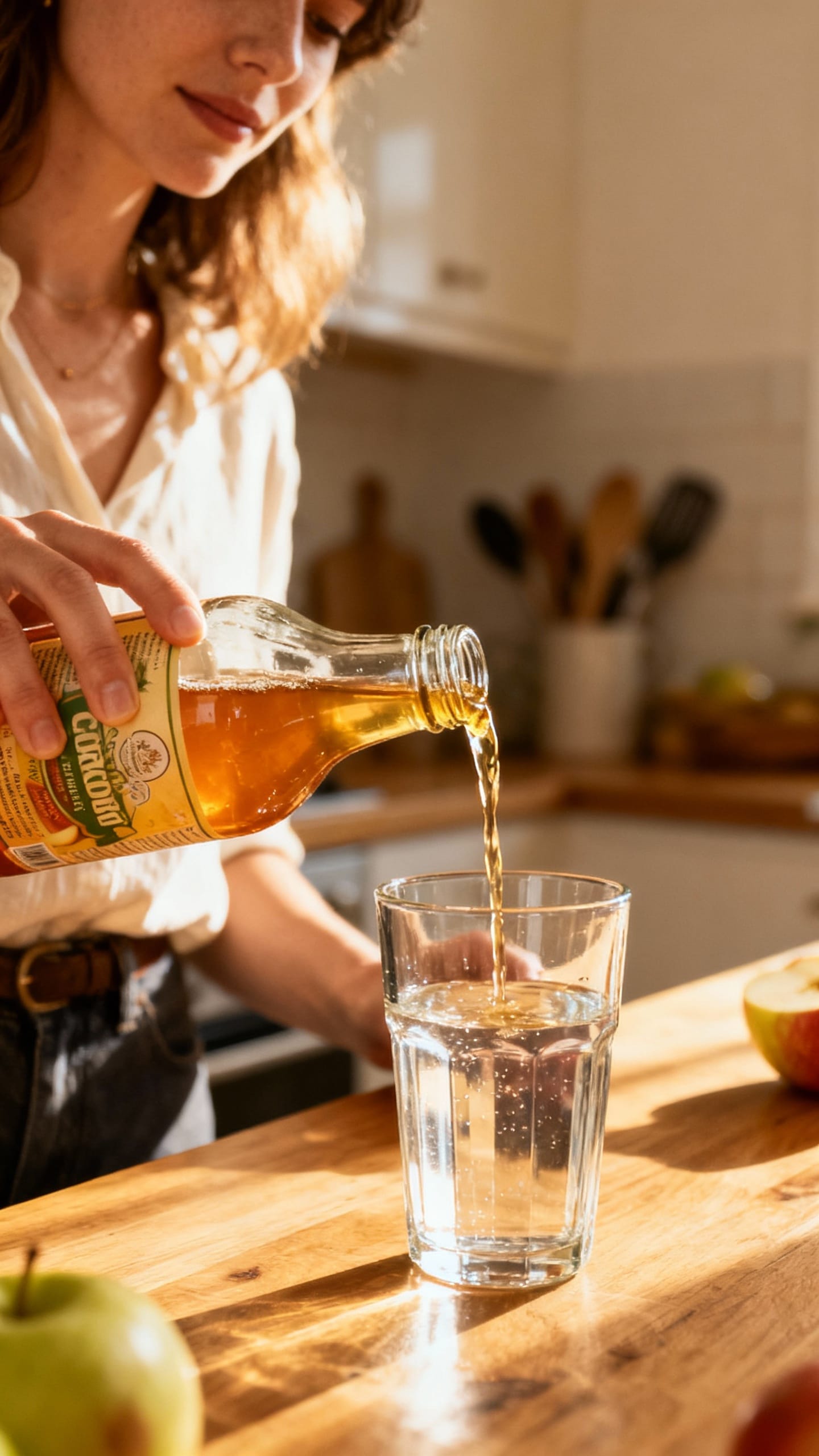
- Vinegar hack: 1–2 teaspoons of apple cider vinegar in water before carb-heavy meals can reduce glucose spikes.
Tastes like a dare, works like a charm.
- Walk 10–20 minutes after meals: muscles soak up glucose. It’s free and powerful.
- Front-load protein and veggies: eat them first, then carbs.
- Sleep 7–9 hours: one bad night can worsen insulin resistance the next day. Not dramatic—just science.
- Strength training 2–4x/week: muscle acts like a glucose sponge.
Build it, use it.
- Hydrate: even mild dehydration can bump blood sugar higher.
Foods That Quiet Blood Sugar (Stock Your Kitchen!)
- Veggies: leafy greens, broccoli, cabbage, cauliflower rice, peppers, onions, mushrooms.
- Proteins: eggs, Greek yogurt, cottage cheese, chicken thighs, salmon, tuna, tofu, tempeh, edamame, canned beans.
- Smart carbs: lentils, chickpeas, black beans, steel-cut oats, quinoa, berries, apples, sweet potatoes.
- Fats: extra-virgin olive oil, avocado, almonds, walnuts, chia, flax, pumpkin seeds, tahini.
- Flavor boosters: cinnamon, turmeric, garlic, ginger, cocoa powder (unsweetened), lemon, vinegars, salsa.
Snack Ideas That Don’t Spike
- Apple slices + almond butter + cinnamon.
- Cottage cheese + cucumber + everything bagel seasoning.
- Hummus + raw veggies.
- Handful of nuts + a few dark chocolate squares (85%+).
- Turkey roll-ups with avocado.
What About Keto, Intermittent Fasting, and Other Buzzwords?
Keto can improve insulin resistance for some, but it’s not magic. If it helps you cut ultra-processed carbs and you feel great, go for it. If it makes you miserable and you dream about sourdough at 2 a.m., hard pass.
Intermittent fasting (like 12–16 hours overnight) can help by reducing grazing and improving insulin sensitivity. Just don’t under-eat protein or binge later. Consistency beats perfection, IMO.
Supplements: Useful, Not Mandatory
Food and lifestyle matter more, but a few have decent evidence:
- Magnesium glycinate or citrate (200–400 mg): supports insulin sensitivity and sleep.
- Omega-3 (EPA/DHA): for inflammation and metabolic health.
- Berberine (consult your clinician): can reduce blood glucose; may interact with meds.
- Cinnamon (Ceylon preferred): small effect, big flavor.
Always talk to your clinician if you take meds like metformin or insulin.
Supplements aren’t cute if they mess with your prescriptions.
FAQs
Do I need to avoid fruit?
Nope. Choose whole fruits with fiber and pair them with protein or fat. Berries, apples, and pears usually play nicest with blood sugar.
Fruit juice is the problem—no fiber, fast spike.
Is rice off-limits?
White rice spikes many people, but portion and context matter. Keep servings small, add protein and veggies, and try cooling cooked rice and reheating it (more resistant starch). Or switch to barley, quinoa, or cauliflower rice blends.
How fast will I see changes?
Many people notice fewer crashes and cravings within a week.
Lab markers like fasting glucose, A1C, and triglycerides improve over 8–12 weeks. Pair diet changes with walking and strength training for faster wins.
Can I still eat dessert?
Yes, strategically. Eat dessert after a protein- and fiber-rich meal, take a short walk afterward, and go for less-sweet options (dark chocolate, Greek yogurt with berries).
Save “big” desserts for special occasions, not Tuesday.
What’s the best breakfast for insulin resistance?
High-protein, moderate-fat, high-fiber. Think omelet + avocado + berries, or Greek yogurt + chia + walnuts. Skip naked carbs like toast + jam or a lone banana—your energy will thank you.
Do I need a CGM to manage this?
A CGM helps you learn your personal triggers, but it’s not required.
If you use one, treat it like feedback, not a morality meter. If you don’t, hunger, energy, and cravings are excellent low-tech data.
Bottom Line
Balance your plate, not your life on a tightrope. Build meals around fiber, protein, and healthy fats, keep carbs smart and paired, and sprinkle in easy wins like vinegar and post-meal walks.
You don’t need perfection to improve insulin resistance—you need repeatable habits that taste good and fit your routine. Start with your next meal. Then keep going.
FYI: future you will be very impressed.