



Allergy cough got you sounding like a 2003 flip phone on vibrate? Let’s fix that. Whether pollen’s ambushing your sinuses or dust is staging a coup in your bedroom, you want the cough gone—fast.
Good news: you’ve got options, from quick OTC hits to simple home remedies that actually work. Let’s dive into what stops the tickle, settles the drip, and gets you back to breathing like a normal human.
First: Figure Out What’s Causing the Cough

Allergy cough usually comes from two culprits: postnasal drip (gunk sliding down the back of your throat) and irritated airways. Sometimes both.
If your cough gets worse around dust, pets, pollen, or after cleaning, you’re probably dealing with allergies—not a cold. Red flags to see a doctor: high fever, wheezing, chest pain, coughing up blood, shortness of breath, or a cough lasting longer than 3–4 weeks. Allergy cough shouldn’t wreck you.
Fast OTC Fixes That Actually Work
When you want relief now, these over-the-counter options punch above their weight.
Antihistamines: Block the Trigger
Antihistamines lower the allergic reaction that kicks off the whole mess.
- Non-drowsy (daytime): cetirizine, loratadine, fexofenadine. Great for daily control and outdoor allergies.
- Drowsy (nighttime): diphenhydramine or doxylamine.
Help you sleep and calm the cough, but don’t operate heavy life choices afterward.
Pro tip: Cetirizine works fast and lasts 24 hours. IMO, it’s the workhorse.
Decongestants: Dry Up the Drip
If postnasal drip keeps you coughing, shrink those swollen nasal vessels.
- Pseudoephedrine (ask the pharmacist): strong and effective for daytime congestion.
- Phenylephrine: meh for many people, but worth a try if pseudoephedrine isn’t an option.
- Topical sprays: oxymetazoline knocks out congestion fast, but only use for 3 days max to avoid rebound congestion.
FYI: Skip decongestants if you have uncontrolled high blood pressure or heart issues without asking your doc.
Nasal Steroid Sprays: The Steady MVP
Fluticasone, triamcinolone, or budesonide reduce inflammation where it starts—your nose. They’re not instant, but they can start helping within hours and get better after a couple days.
Use daily during allergy season for best results. Aim the nozzle away from your septum to avoid irritation.
Cough Helpers: Soothe the Throat
- Dextromethorphan (DM): calms the cough reflex when that tickle won’t quit, especially at night.
- Guaifenesin: thins mucus so it stops clinging to your throat.
- Throat lozenges: look basic, work great. Menthol or pectin coats and quiets the tickle.

Natural and Home Remedies That Don’t Waste Your Time
You don’t need a lab coat to get solid relief at home.
These work.
Saline Nasal Rinses
Rinse out allergens, thin mucus, and stop the drip at the source.
- Use a neti pot, squeeze bottle, or saline spray.
- Always use distilled or previously boiled and cooled water.
- Once or twice daily during peak allergy days keeps you clear.
This is a top-3 remedy, IMO. Simple and powerful.
Steam and Humidity
Warm steam loosens mucus and calms irritated airways.
- Take a hot shower, inhale steam from a bowl (towel over head), or use a clean humidifier.
- Keep indoor humidity around 40–50% to avoid mold and dust mite parties.
Honey Lemon Tea
Old-school for a reason. Honey coats your throat and may reduce cough frequency.
Add lemon for a little decongesting zing. Don’t give honey to kids under 1 year.
Ginger and Turmeric
Ginger tea can ease throat irritation and reduce the urge to cough. Turmeric (with a pinch of black pepper) adds an anti-inflammatory boost.
Use in tea or golden milk at night.
Elevate Your Head at Night
Prop up with an extra pillow or wedge. Gravity keeps postnasal drip from pooling in your throat and triggering a cough every five minutes.
Simple Lifestyle Tweaks That Help Immediately
These aren’t glamorous, but they move the needle fast.
- Rinse off after being outside: change clothes, shower, and rinse your nose to ditch pollen.
- Close windows during high pollen times: especially early morning.
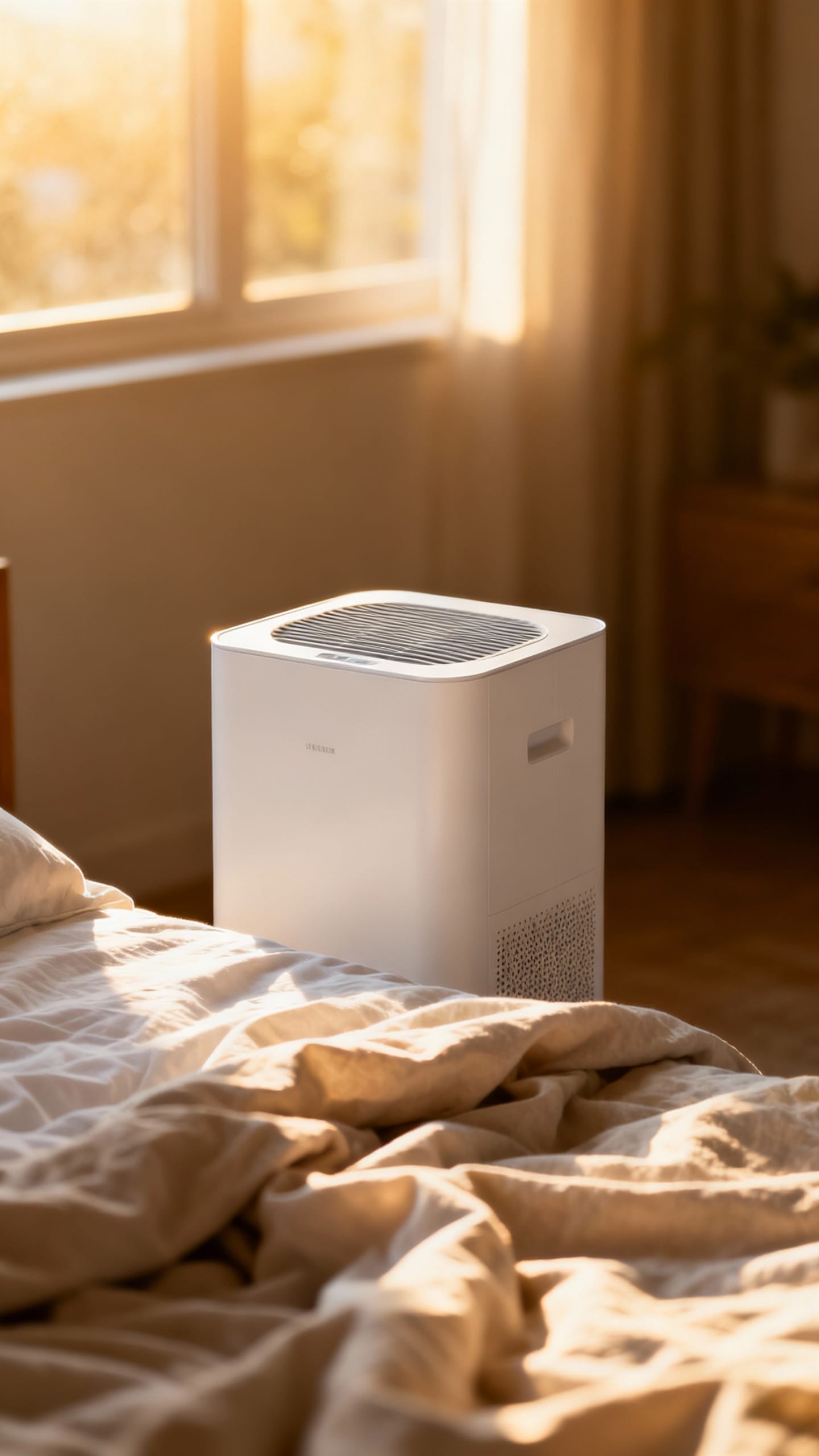
- Run a HEPA air purifier: bedroom priority. It quietly wins the long game.
- Wash bedding weekly in hot water: dust mites hate spa day.
- Keep pets off the bed: I know, I know.
But seriously, huge difference.
- Hydrate: thin mucus = less cough-triggering slime.
Smart Combos for Faster Relief
Want a quick, practical game plan? Try these pairings based on your situation.
Nighttime Tickle and Hacking
- Drowsy antihistamine + honey tea + head elevation
- Add saline rinse before bed and a lozenge if needed
Daytime Outdoor Pollen Ambush
- Non-drowsy antihistamine + nasal steroid spray
- Rinse nose when you get back inside
Thick Mucus and Sticky Throat
- Guaifenesin + hydration + steam shower
- Consider a short course of decongestant if you’re congested
When to Think Bigger: Allergist or Rx Options
If OTC and home remedies barely dent your cough, consider:
- Prescription nasal sprays: azelastine or combo sprays (steroid + antihistamine) act fast.
- Leukotriene blockers: like montelukast for people with allergic rhinitis plus cough or asthma tendencies. Discuss risks/benefits.
- Allergy testing and immunotherapy: shots or tablets that retrain your immune system.
Not instant, but a long-term fix.
FAQ
How do I know if it’s allergies and not a cold?
Allergy cough usually comes with sneezing, clear mucus, itchy eyes, and symptoms that flare in certain places or seasons. Colds often bring thicker mucus, fatigue, and sometimes fever or body aches. If it lasts longer than 10–14 days with no progression, allergies win the bet.
Do antihistamines stop coughs?
They don’t target the cough reflex directly, but they shut down the allergic cascade that creates postnasal drip.
Less drip = less cough. Add a cough suppressant at night if the tickle still keeps you up.
Is honey as good as cough syrup?
For nighttime cough, honey can perform similarly to dextromethorphan in some studies. It soothes and reduces cough frequency.
Use 1–2 teaspoons in warm tea. Again, no honey for kids under 1.
Can I combine antihistamines and decongestants?
Yes, many combo products do exactly that. Just watch for duplication—don’t double up by taking a combo pill plus another decongestant.
If you have high blood pressure, check with your clinician first.
What’s the fastest thing I can do right now?
Take a non-drowsy antihistamine, do a saline rinse, and sip hot tea with honey. If you’re stuffed up, add a decongestant. At night, switch to a drowsy antihistamine, elevate your head, and use a lozenge.
You’ll feel the difference quickly.
Could this be asthma instead of just allergies?
If you notice wheezing, chest tightness, or cough that worsens with exercise or at night, get evaluated for asthma. Allergies and asthma love to hang out together, unfortunately.
Bottom Line
You can tame allergy cough fast with a smart combo: antihistamine + nasal care + throat soothing. Layer in a decongestant or cough suppressant when needed, and use simple home tactics like saline rinses, steam, and head elevation.
Keep your space allergen-light with HEPA filtration and good cleaning habits, and you’ll cough way less. Short version: control the triggers, calm the drip, soothe the throat—breathe easy.