


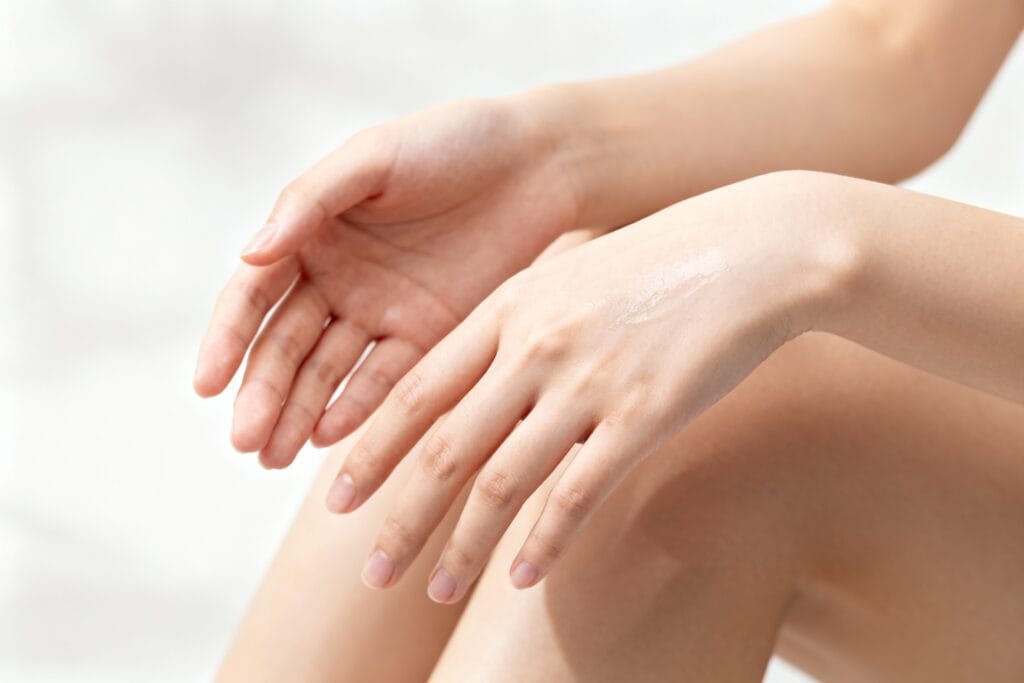
Your face gets all the attention, but your hands spill your secrets. Sun spots, crepey skin, dry cuticles—yep, they show up first. The fix?
Small, daily habits that add up fast. Let’s talk dermatologist-approved moves that keep your hands looking smooth, even-toned, and—dare I say—youthful.
Sunscreen: The Non-Negotiable
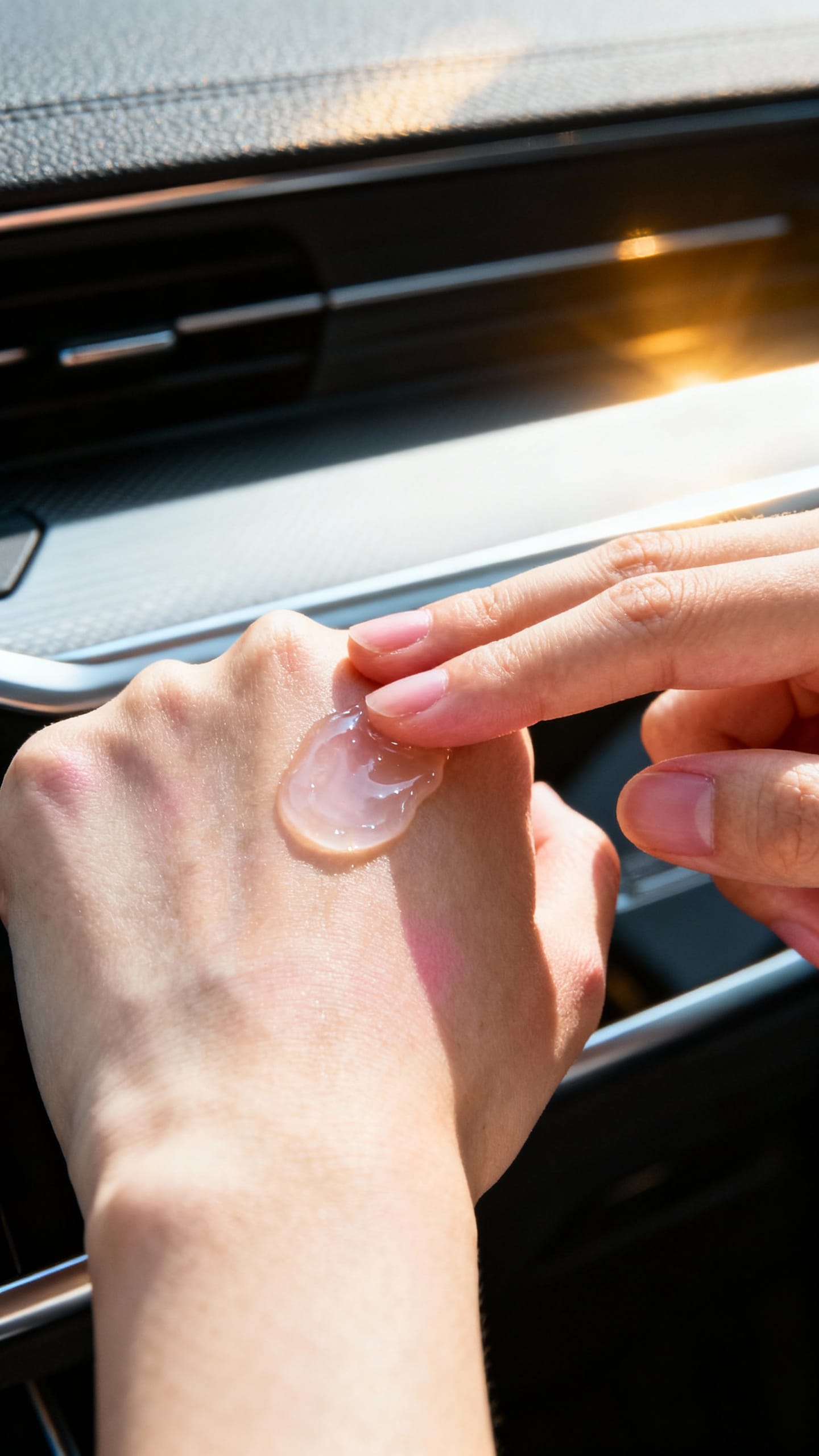
You can buy all the fancy creams, but if you skip SPF, you’re wasting your time and money. UV rays break down collagen, create dark spots, and make veins look more prominent.
- Use broad-spectrum SPF 30+ every morning on the backs of your hands.
- Reapply after washing or every 2 hours if you’re outside.
Driving counts—glass doesn’t block UV-A.
- Choose formulas that feel good so you’ll actually use them: lightweight gels, mineral sticks, or hand creams with SPF.
Pro tip
Keep a travel-size SPF in your car, bag, or by the sink. No excuses, just habits.
Moisturize Like You Mean It
Hydrated skin looks plumper, smoother, and healthier—instantly. Dry hands show lines and creases more.
- During the day: a fast-absorbing hand cream with glycerin and hyaluronic acid.
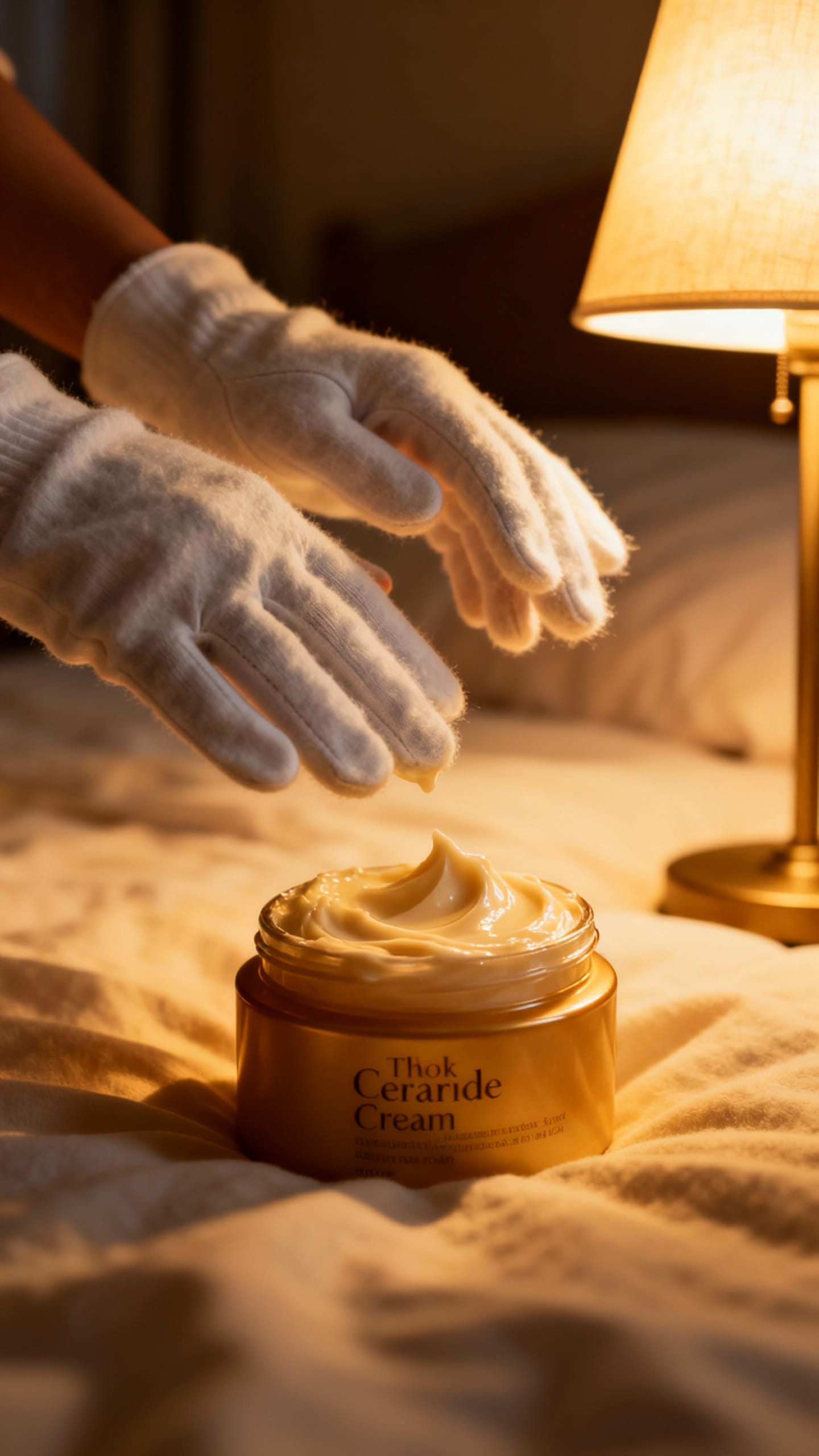
- At night: a richer cream or ointment with ceramides, shea butter, and petrolatum to seal in moisture.
- Add urea (5–10%) or lactic acid (5–12%) a few nights a week to smooth rough patches and improve texture.
Hand mask hack
Slather on a thick layer, then wear cotton gloves for 20–30 minutes.
You’ll wake up with baby-soft hands—no spa required.
Exfoliate—Gently
Dead skin builds up and makes hands look dull. Gentle exfoliation boosts radiance and helps treatments penetrate better.
- Chemical exfoliants like AHA/BHA pads once or twice a week are ideal (think lactic acid for dryness, salicylic for roughness).
- Skip harsh scrubs. Sugar scrubs feel nice but can scratch.
If you must, use ultra-fine particles and light pressure.
- Follow with moisturizer immediately to lock in hydration.
Retinoids: Tiny Tube, Big Results
Retinoids don’t just belong on your face. They boost collagen, smooth fine lines, and fade uneven tone on hands too.
- Start with a gentle retinol 2–3 nights a week, then work up nightly as tolerated.
- If your skin gets flaky, reduce frequency and add a buffer (moisturizer first, retinoid second).
- Prescription tretinoin works faster, but it’s stronger—talk to a derm if you want pro-level results.
FYI
Retinoids can make skin more sun-sensitive. Which brings us back to SPF—don’t skip it.
Target Dark Spots With Actives That Actually Work
Sun spots, age spots, freckles that overstayed their welcome—treat them with proven brighteners.
- Vitamin C (L-ascorbic acid 10–20% or stable derivatives) helps fade spots and fights free radicals.
- Niacinamide (4–5%) brightens and calms redness—a great daily staple.
- Azelaic acid (10–15%) and tranexamic acid (2–5%) help stubborn hyperpigmentation.
- Hydroquinone (2–4%) works fast but use short-term and under guidance to avoid rebound issues.
Layering made simple
AM: Vitamin C + moisturizer + SPF.
PM: Retinoid or azelaic + moisturizer. Keep it boringly consistent. That’s the secret.
Be Kind When You Wash
Overwashing and harsh soaps wreck your moisture barrier, and suddenly your hands look 10 years older.
No thanks.
- Use a gentle, fragrance-free cleanser with glycerin or panthenol.
- Rinse with lukewarm water—hot water strips oils fast.
- Moisturize within 60 seconds of washing to lock in water.
Glove up
Wear gloves for dishes, cleaning, and gardening. Chemicals and soil do not care about your skincare routine.
Don’t Sleep on Cuticle Care
Your nails and cuticles frame your hands. If they look ragged, everything looks older.
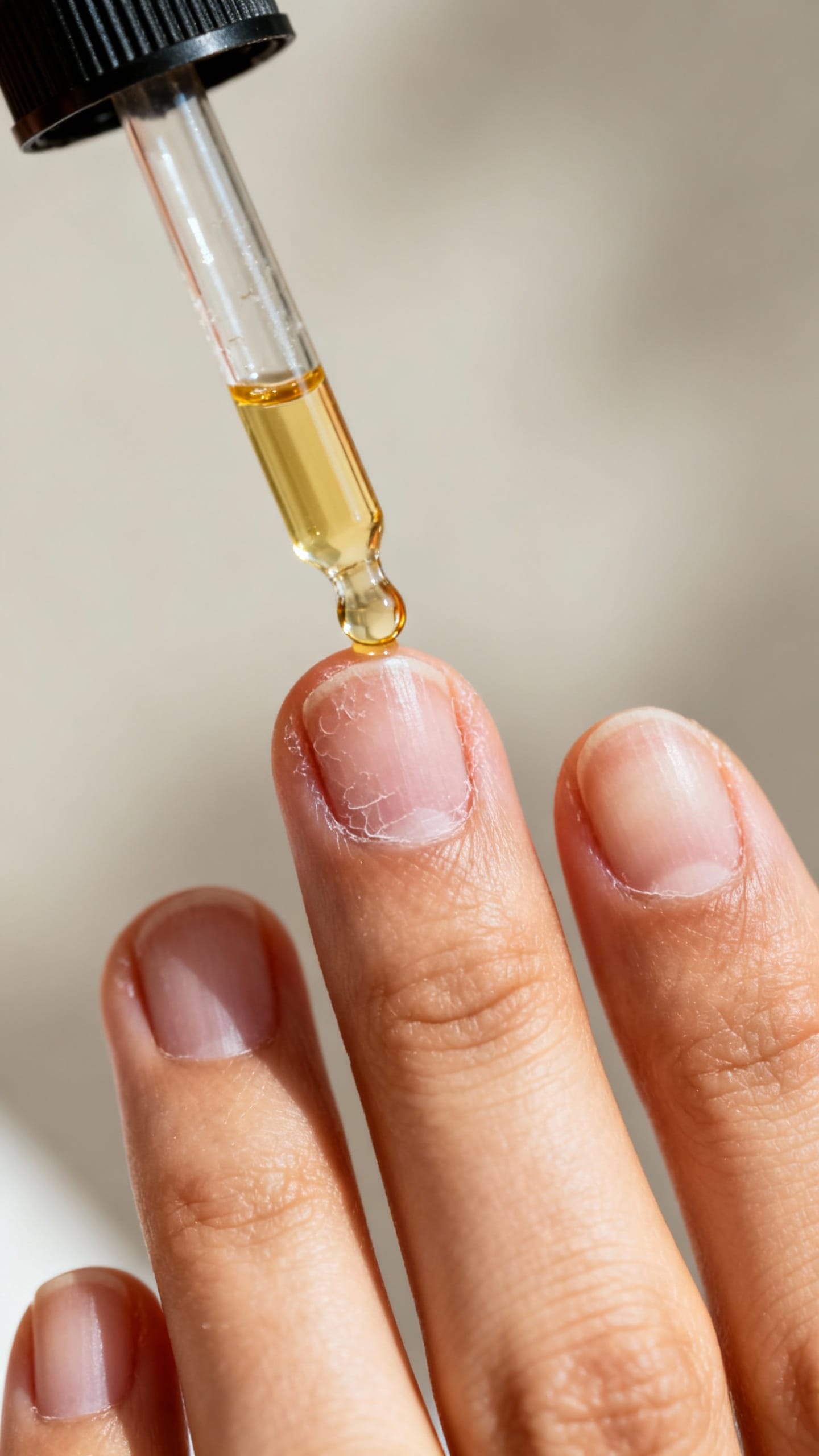
- Apply cuticle oil daily (jojoba or squalane works great) to prevent hangnails and dryness.
- Trim only loose bits—don’t cut the whole cuticle.
It’s protective tissue.
- Take breaks from gel/acrylics if they cause brittleness, or use strengthening treatments in between.
Diet, Supplements, and Lifestyle (Yes, It Shows)
You can’t out-cream a dehydrated body or a pack-a-day habit. Harsh, but true.
- Hydrate consistently—your skin reflects your water and electrolyte status.
- Eat a rainbow: berries, leafy greens, nuts, fatty fish. Antioxidants help fight oxidative stress.
- Quit smoking (IMO, the ultimate skin-ager) and manage stress.
Cortisol isn’t cute.
- Sleep. Your skin repairs at night, including the skin on your hands.
When to Call in the Pros
Topicals do a lot, but in-office treatments can level up results—especially for texture and volume loss.
- IPL or broadband light (BBL): Targets sun spots and redness. Minimal downtime, fast results.
- Fractional lasers: Improve crepiness and fine lines by stimulating collagen.
- Chemical peels (light to medium): Even tone and smooth texture.
- Hyaluronic acid fillers or calcium hydroxylapatite: Restore volume and hide veins/tendons for a younger look.
Safety check
Choose a board-certified dermatologist.
Hands heal differently than the face and need the right technique and aftercare.
Build a Simple, Sustainable Routine
Let’s make this easy so you’ll actually do it. Consistency beats intensity.
- Morning: Vitamin C serum, hand cream with SPF 30+, reapply as needed.
- After washing: Lightweight moisturizer right away.
- Evening: Retinol or azelaic acid, then a richer cream.
- 2x weekly: Gentle exfoliation + overnight occlusive treatment.
- Always: Gloves for chores, cuticle oil daily.
FAQs
Can I use my face products on my hands?
Usually yes, and it’s a smart move. Vitamin C, niacinamide, and retinol work just as well on hands.
If your face products irritate your hands, switch to gentler strengths or buffer with moisturizer.
How long until I see results?
Hydration looks better immediately. Dark spots typically fade in 6–12 weeks with daily SPF and brighteners. Retinoids build collagen over months.
Stick with it—slow and steady wins, FYI.
Is SPF in hand cream enough?
If it’s broad-spectrum SPF 30 or higher and you apply generously and often, yes. The catch: most people use too little and forget to reapply. Keep it nearby and set reminders if you need to.
What if my hands get irritated from retinoids?
Use the sandwich method: moisturizer, retinoid, moisturizer.
Cut back to 1–2 nights a week until your skin adjusts. You can also swap in bakuchiol—a gentler alternative—though retinoids still have the strongest evidence.
Do professional treatments hurt?
Most feel like snaps or heat—tolerable and quick. You might see redness or mild swelling for a few days.
Your derm can numb the area or tailor settings to your comfort level.
Any quick fixes before an event?
Yes: exfoliate lightly, apply a hyaluronic serum, then a rich cream or balm. Add a drop of facial oil for glow. If spots bother you, a body makeup or blurring lotion works wonders for one-night camouflage.
Conclusion
You don’t need a 20-step ritual or a celebrity budget to keep your hands looking younger.
Protect them from the sun, moisturize like a pro, exfoliate smartly, and bring in retinoids and brighteners. If you want a turbo boost, see a derm for lasers or peels. Small, consistent habits are the real magic—IMO, the only “anti-aging” that actually sticks.